




The Undeniable Power of the Silhouette
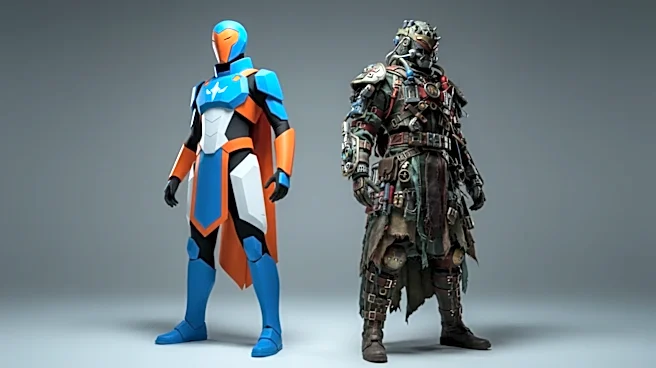
The secret to many unforgettable costumes lies in a principle that animators and character designers have known for decades: the power of the silhouette. An iconic character should be recognizable from their outline alone. Think of Batman's pointed ears
and flowing cape, or the unmistakable round ears of Mickey Mouse. These designs are effective because they are visually distinct and immediately communicative. When a cosplayer nails this fundamental shape, our brain does the heavy lifting, filling in the blanks with everything we know and love about that character. A perfectly tailored suit and a confident posture can scream "James Bond" more effectively than a dozen flimsy gadgets. This is because great design isn't about adding more, but about capturing the essential. A strong silhouette is the foundation, making any further detail a bonus rather than a necessity.
Leaving Room for the Imagination
An overly detailed costume can sometimes feel like a lecture, leaving no room for interpretation. A simpler, more evocative approach, however, invites the audience to participate. When we see someone in a yellow jumpsuit with a single strand of hair curled on their forehead, we don't just see a costume; we see Tintin. The designer trusts the audience's knowledge, and in doing so, creates a stronger connection. This is the psychological phenomenon of closure, where our minds complete an image based on partial information. A minimalist cosplay leverages this, turning the act of recognition into a shared, satisfying moment between the cosplayer and the observer. It’s a collaboration, where the cosplayer provides the cues and the viewer’s own fandom and imagination bring the character to life.
From Costume to Character
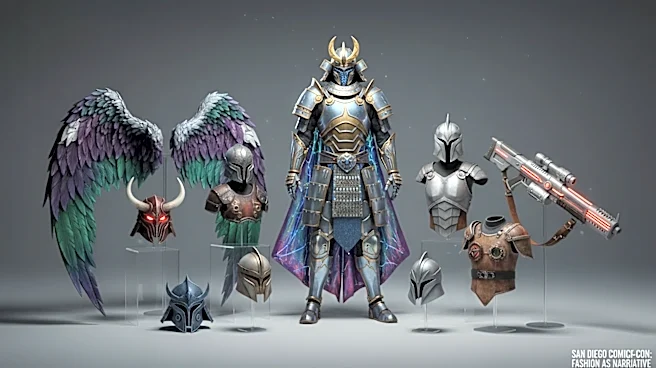
The most elaborate costumes, with their massive wings or complex electronics, are undeniably impressive feats of engineering. But they can also be prisons, limiting movement and obscuring the person inside. The cosplayer becomes a mannequin, a walking display case for their own craftsmanship. A simpler costume, however, frees the individual to perform. Cosplay, at its heart, is short for "costume play," and the 'play' is crucial. It's about embodying the traits and mannerisms of a character. A less restrictive outfit allows a cosplayer to adopt a heroic stance, a villainous sneer, or a quirky, signature walk. This performance is often what truly sells the illusion, transforming a person in clothes into a character who has stepped out of the screen or off the page. The focus shifts from what the person is wearing to who they are being.
The Genius of a Single, Perfect Prop
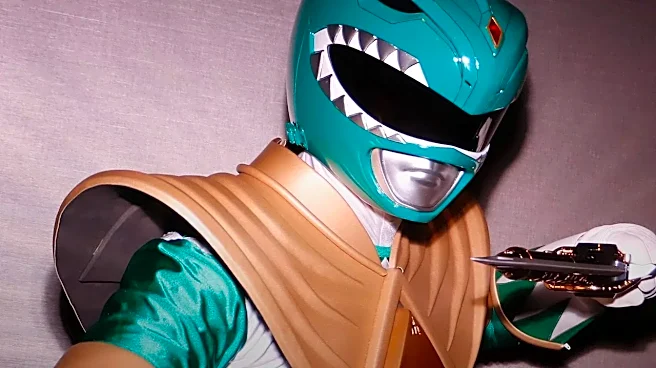
Sometimes, an entire character can be distilled into a single, iconic object. A brown fedora and a whip. A red scarf and a suit of armor. A sonic screwdriver. In these cases, the prop isn't just an accessory; it is the character. A cosplayer who perfectly recreates that one essential item can create a more powerful and instantly recognizable look than someone who attempts to replicate an entire wardrobe. This approach shows a deep understanding of the character's core identity. It communicates a confidence and a clarity of vision. It says, "I know what makes this character tick, and it's this." This selective focus demonstrates a different kind of skill—not just craftsmanship, but the curatorial skill of knowing what detail matters most, and then executing it flawlessly.