


The Soul of the Shoe: All About the 'Forma'
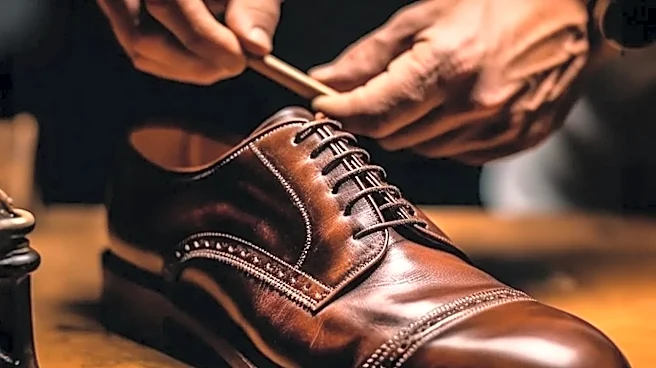
Everything in Italian shoemaking begins with the last, or "forma." This is the three-dimensional mold around which the shoe is built, and it's much more than just a foot-shaped block. Italian artisans treat the forma as the soul of the shoe, painstakingly
carving and refining its curves to create a silhouette that is both aesthetically pleasing and anatomically respectful. Unlike mass-produced footwear that often forces the foot into a generic shape, the Italian approach is to create a last that provides structure while allowing the foot to rest naturally. This initial step is what determines the shoe's fundamental fit and elegant contour, establishing the perfect foundation before a single piece of leather is even cut.
A Cut Above: The Supremacy of the Leather
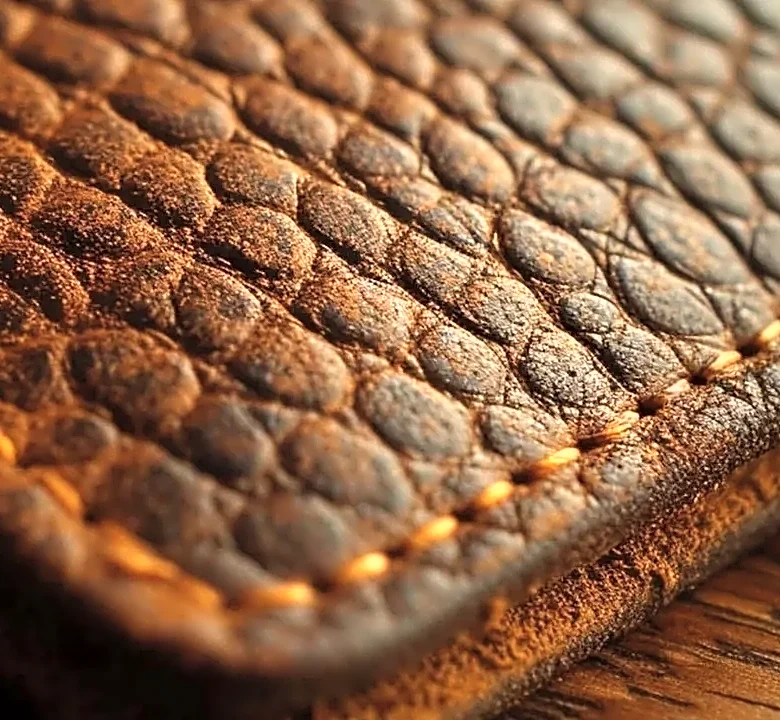
The second pillar of Italian shoemaking is the uncompromising quality of the leather. Artisans source premium, full-grain hides from renowned tanneries in regions like Tuscany. This isn't just any leather; it's often treated using traditional vegetable tanning, an eco-friendly process that uses natural extracts from tree bark and plants. This method takes longer but produces a material that is incredibly durable, breathable, and supple. High-quality Italian leather molds to your foot over time, developing a unique patina that tells the story of its wear. It's this living quality of the material that allows a shoe to be both strong and forgiving, a crucial element in the balance of style and comfort.
The Hidden Engineering of Lasting Comfort
An elegant shape and beautiful leather mean little if the shoe is painful to wear. This is where Italian construction techniques provide the final, crucial element. Many high-end Italian shoes utilize a Blake stitch, where the outsole is sewn directly to the insole and upper. This creates a shoe that is far more flexible, lightweight, and sleek than those made with heavier welts. Another celebrated method is the "Sacchetto" construction, which translates to "little bag." Here, the lining is stitched into a soft pouch before being attached to the upper, creating a nearly seamless interior that fits like a glove. These methods are forms of hidden engineering, designed to allow the foot to move naturally and comfortably, proving that true luxury is feeling as good as you look.
The Art of the Perfect Balance
Ultimately, the genius of Italian shoemaking lies in the synthesis of these three elements. An artisan doesn't just choose a great shape, fine leather, and a flexible construction in isolation; they understand how each one impacts the others. A softer leather might be perfect for a Sacchetto loafer but might not hold the crisp lines of a formal Oxford. A sleek, narrow forma requires the flexibility that only a Blake stitch can provide. This interplay is where generations of knowledge and hands-on experience become paramount. The shoemaker acts as a master conductor, ensuring shape, material, and comfort work in harmony. This is why Italian shoes are celebrated not just for one feature, but for the seamless, elegant, and wearable whole.