






The On-Field Coach
A roaring stadium and the adrenaline of a do-or-die match can make a manager’s sideline instructions feel a million miles away. The captain is the on-field translator. They are the coach's proxy, responsible for ensuring the team’s tactical shape holds
under pressure. When the opposition makes a sudden change or starts exploiting a weakness, it's often the captain who first notices and reposITIONS their teammates. They aren't just shouting encouragement; they're pointing, directing, and reminding the fullback to tuck in or the midfielder to track back. Think of legendary defenders like Italy's Fabio Cannavaro in the 2006 World Cup, constantly organizing the backline, ensuring that chaos never breached the final third. This constant communication is a vital, invisible architecture that keeps a team from collapsing into a disorganized mess.
The Emotional Thermostat
Knockout games are emotional rollercoasters. A shocking goal against, a red card, or a missed sitter can send a team spiraling. A great captain acts as the emotional thermostat, gauging the team’s mental state and adjusting it. They know which players need a calming word and which need to be fired up. When a teammate makes a terrible mistake, the captain is the first one there, not to scold, but to offer a reassuring clap and get their head back in the game. Conversely, when a teammate is about to get a second yellow for arguing, the captain steps in, pulling them away and absorbing the heat. Their own body language is a powerful tool; projecting an aura of unshakeable confidence can convince their own team that everything is still under control, even when it feels like it isn't.
The Referee Whisperer
Yelling at the referee is easy. Actually managing them is an art form. While fans see players swarming the official, a smart captain understands the protocol. They have the designated right to approach the ref for clarification. They use this privilege strategically. It’s not always about changing a call—that rarely happens. It’s about planting a seed for the next decision (“Watch him, ref, he’s been doing it all game”), buying a few precious seconds for their winded team to recover, or showing their own players that they are fighting for them. A calm, respectful but firm conversation can earn a level of rapport that a screaming mob never will. This subtle diplomacy can subtly shift the rhythm of the game and prevent a series of frustrating calls from becoming the team’s central focus.
The Master of Tempo
Sometimes, the best way to control chaos is to create a different kind of it. Captains are often masters of the game’s “dark arts”—the unglamorous but necessary actions that control tempo. When the opposition is building a dangerous head of steam, a subtle shirt pull or a cynical (but not reckless) foul in midfield can break up the play and kill their momentum. When protecting a 1-0 lead with five minutes to go, it might be the captain who takes an extra few seconds over a goal kick or shepherds the ball into the corner. This isn’t just cheating; it’s game management. It’s a recognition that knockout soccer isn't just about playing well, it's about winning, and that sometimes requires slowing the game to a crawl and frustrating the opponent into making a mistake.
The Symbol of Belief
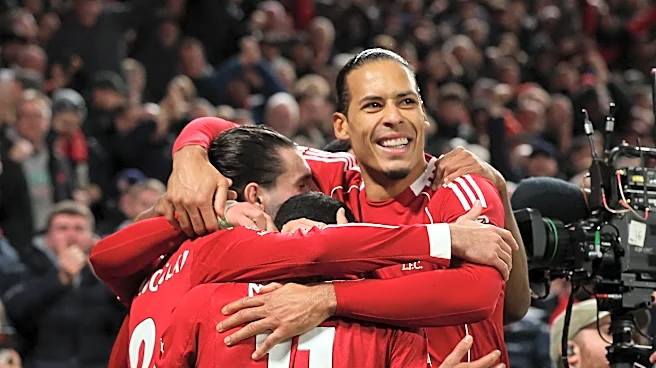
Ultimately, the captain’s most crucial role is symbolic. When the game goes to a penalty shootout—the purest form of soccer chaos—all eyes go to the captain. Who steps up to take the first kick? Who rallies the players in the center-circle huddle, their arms draped over exhausted shoulders? In the 2005 Champions League final, with Liverpool down 3-0 at halftime, captain Steven Gerrard scored the first goal back and drove his team forward with sheer force of will, making them believe the impossible was possible. The armband doesn't grant superpowers, but it designates a player as the living embodiment of the team's resilience. Their willingness to take responsibility, to look confident when everyone else is terrified, can be the single factor that turns a group of panicked individuals back into a team.