


The Red Carpet as a Living Gallery
The BET Awards and the surrounding BET Experience have long served as a premier showcase for Black excellence in music, film, and sports. [16] But beyond the trophies and performances, the event is a vital runway for culture. [10] This year was no exception.
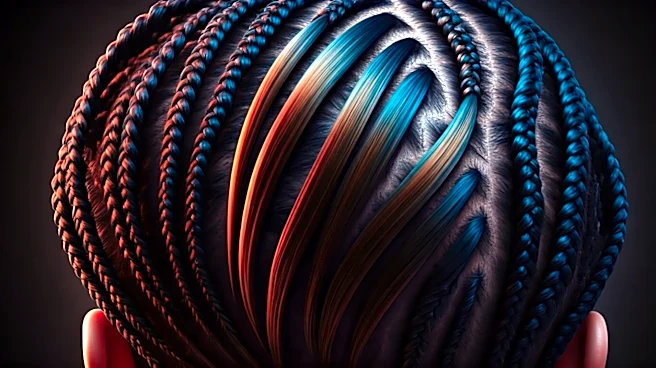
As stars arrived, it was clear that sculptural and intricate braids were a dominant beauty narrative. More than just a protective style, these looks featured gravity-defying shapes, intricate patterns, and architectural loops, turning hair into a medium for breathtaking artistry. [6, 15] From elegant updos to flowing, embellished plaits, the message was clear: this is not a fleeting trend, but a powerful, recurring expression of identity. [17]
The Artistry Behind the Look
What defines a sculptural braid is its elevation from a simple plait to a three-dimensional creation. Stylists, often celebrated as artists in their own right, are the masterminds behind these looks. [6] Visionaries like Nikki Nelms, Xia Charles, and Kim Kimble have been instrumental in pushing the boundaries of what braids can be, creating styles for celebrities that are both avant-garde and deeply intentional. [6, 7] These creations often require hours of meticulous work, weaving together not just hair, but stories and ideas. Some stylists even incorporate wire and other materials to achieve their gravity-defying designs. [7] The result is a hairstyle that functions as a personal statement, a piece of performance art, and a testament to the incredible skill of its creator.
A Deeply Rooted History
To understand the power of braids at an event like the BET Experience, one must look to their history. The origins of braiding trace back thousands of years in Africa, around 3500 B.C. [1, 3] Far from being merely decorative, braid patterns could signify a person's tribe, marital status, wealth, and age. [2, 4] They were a form of visual language and a cornerstone of cultural identity. During the transatlantic slave trade, this visual language took on a new, critical function. Enslaved Africans reportedly used the intricate patterns of cornrows to map escape routes or hide seeds, transforming their hair into a tool of survival and resistance. [1] This history imbues modern braided styles with a profound sense of resilience and heritage. [1, 3]
A Statement of Celebration and Identity
In the 20th and 21st centuries, braids became a powerful symbol of the Black Power and Black is Beautiful movements, representing a rejection of Eurocentric beauty standards and a proud embrace of natural hair and African heritage. [2] Today, at an event that celebrates Black culture on a massive scale, wearing braids is a continuation of that legacy. [9, 19] For celebrities, choosing a sculptural braid for the red carpet is a deliberate act. It's a nod to their ancestors, an embrace of Black creativity, and a powerful form of self-expression. [4, 5] It asserts that hairstyles rooted in African tradition are not just acceptable but are high fashion, art, and unequivocally beautiful. As a hub for Black creativity, the BET Experience provides the perfect stage for this declaration. [19]