




The Unspoken Uniform
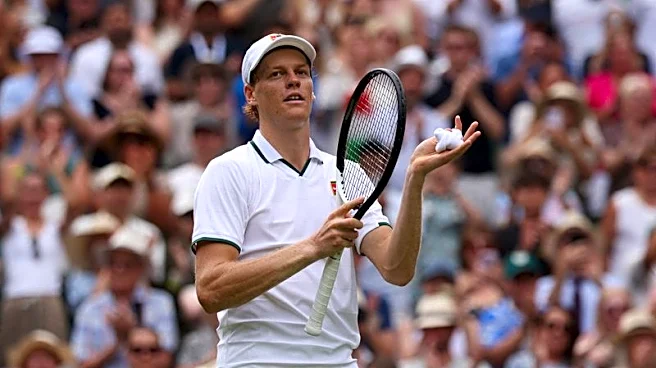
Beyond the players' mandatory all-white attire, there is another, equally important dress code at play. It’s the uniform of the officials—the chair umpires, line judges, and ball kids who patrol the courts with a specific, curated elegance. This is where
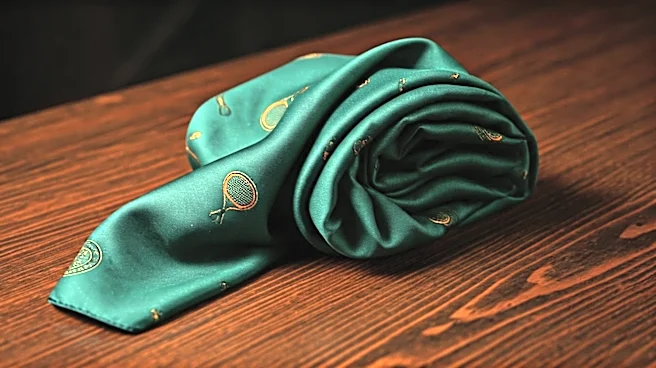
the details, like the silk twill neck scarves mentioned in the headline, come into focus. The look is rooted in a tradition of smart, formal sportswear: crisp blazers, tailored trousers or skirts, and heritage accessories. This visual consistency isn’t an accident; it’s a core part of the Wimbledon brand, designed to project an air of authority, tradition, and quiet control. The origins of such formality in sports officiating trace back to the 19th century, when umpires wore formal suits to distinguish themselves from the players and command respect. While other sports have moved towards more casual gear, Wimbledon has leaned in, transforming the officials' attire into a key part of the tournament's unique aesthetic.
The Ralph Lauren Effect
Since 2006, that aesthetic has been shaped by a single designer: Ralph Lauren. As the first and only official outfitter in Wimbledon's long history, the American brand was tasked with codifying and modernizing the on-court look. It was a perfect match. Ralph Lauren built its empire not just on selling clothes, but on selling an aspirational lifestyle rooted in heritage and classicism. The partnership allowed Wimbledon to refine its visual identity while giving Ralph Lauren access to one of the most prestigious stages in global sport. The result is a uniform that feels both authentically British and quintessentially American preppy. Each year, the brand releases updated designs for the officials, alongside a broader Wimbledon capsule collection for spectators. This masterstroke turns everyone, from the umpire on Centre Court to the fan in the stands, into a participant in the same brand story.
Selling a “Capsule” of Timelessness
The phrase "Ralph Lauren-level capsule" points to the larger strategy at play. This isn't just about uniforms; it's about creating a complete, marketable world. The partnership has evolved from simple outfitting to a full-blown luxury retail experience. Ralph Lauren now operates an on-site boutique and café, allowing attendees to literally buy into the Wimbledon lifestyle between matches. For 2026, the brand even introduced an exclusive, Italian-made Purple Label collection for Wimbledon, signaling a deliberate move upmarket. This strategy of "halo marketing" allows Ralph Lauren to absorb the tournament's prestige, reinforcing its own luxury credentials. The carefully managed brand environment—free from the visual clutter of most major sporting events—makes the product feel more exclusive and desirable. You aren't just buying a polo shirt; you're buying a piece of the institution.
Tradition as the Product
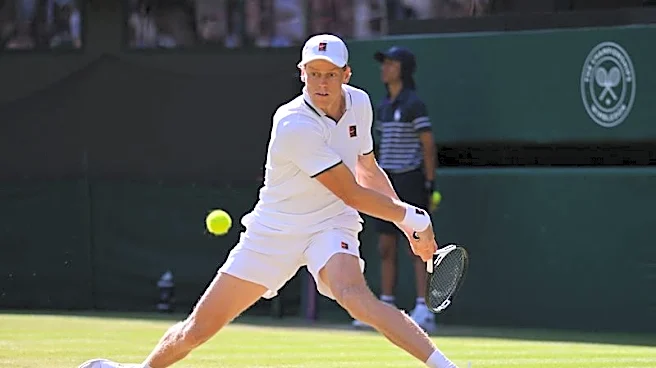
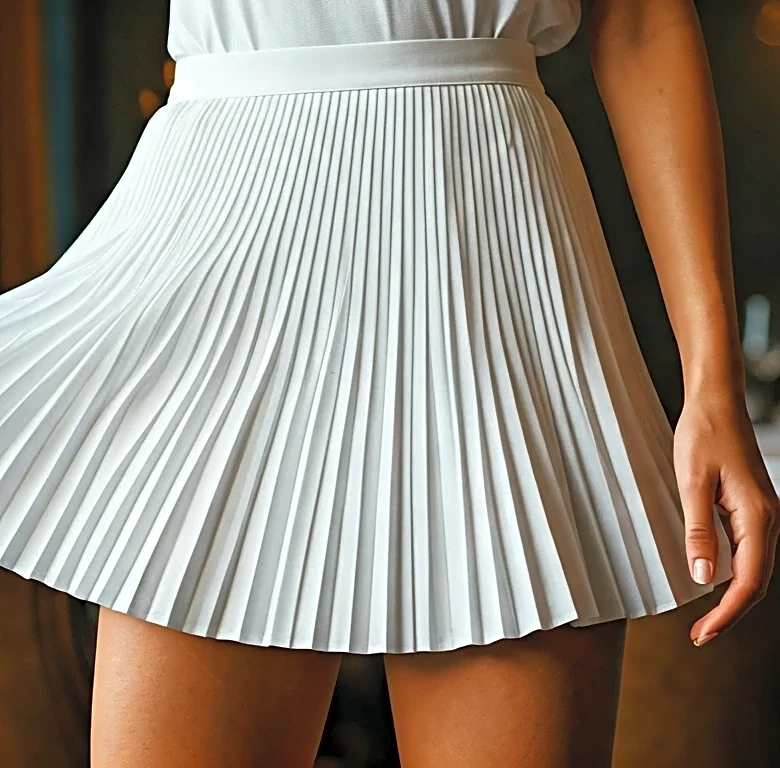
Ultimately, Wimbledon keeps returning to this aesthetic because tradition is its most valuable asset. The strict all-white rule for players, which dates back to the Victorian era's aversion to visible sweat, is the most famous example. The iconic green and purple color scheme, in use for over a century, is another. In a fast-fashion world, Wimbledon offers an escape. It represents order, history, and a slower, more refined version of luxury. The silk scarves, the navy blazers, and the crisp pleats are all symbols of that promise. By partnering with a brand like Ralph Lauren, which excels at packaging and selling nostalgia, the All England Club ensures its heritage remains not only intact but also commercially potent. The aesthetic isn't a barrier to modernity; it is the very product being sold, season after season, to a global audience hungry for a taste of timeless elegance.