

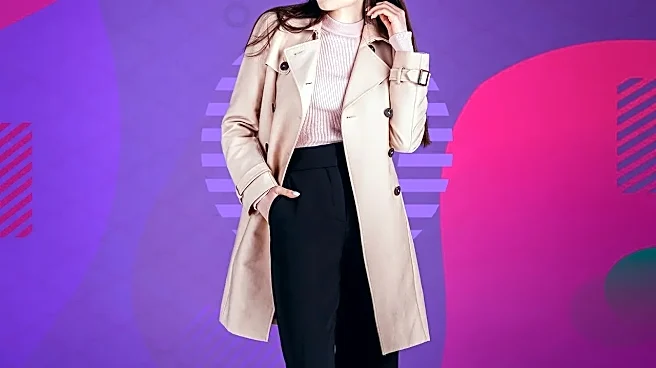

Redefining ‘Fit’ Beyond Tightness
In the world of fashion, the word ‘fit’ is too often confused with ‘tight’. A garment that hugs every curve is one kind of fit, but it’s not the only one. For loose, relaxed, or oversized garments, a precise fit has nothing to do with constriction. Instead,
it’s about how the dress uses your body as an anchor, draping correctly from a few key structural points. The goal is to find a silhouette that skims the body rather than clinging to it or hiding it completely. A well-fitting loose dress respects your shape without needing to outline it. It’s the difference between a garment that looks like it was designed to be voluminous and one that simply looks like it's the wrong size.
The Shoulder Seam Is Everything
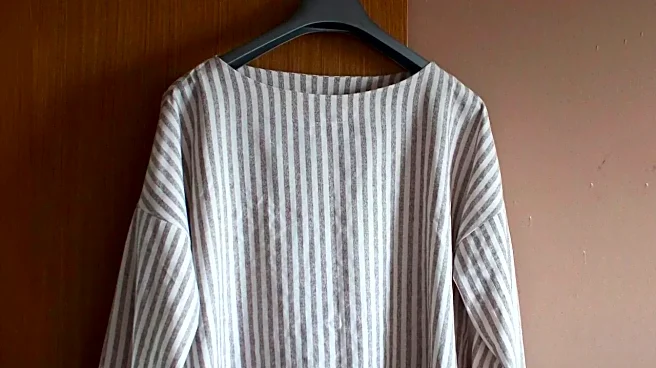
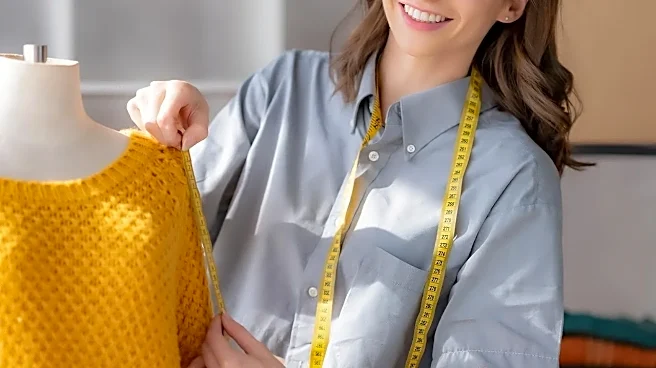
If you remember only one rule, make it this: the shoulder seam is the most important fit point on any dress, especially a loose one. It is the hanger from which the rest of the fabric falls. For a precise fit, the seam where the sleeve joins the body of the dress should sit directly on your shoulder bone—that bony corner where your shoulder ends and your arm begins. If the seam droops down your bicep, the dress will look sloppy and too large, no matter how you style it. If it pulls in toward your neck, it’s too small. Because altering shoulders is one of the most difficult and expensive tailoring jobs, you should always make your purchasing decision based on getting the shoulder fit right from the start.
Check the Armholes and Bust
After the shoulders, the next crucial areas are the armholes and bust. Even in a billowy dress, these points provide subtle but necessary structure. The armhole should be high enough to allow you to move your arms freely without the entire dress lifting up. You also want to ensure there isn't excessive gaping that exposes your undergarments. While a loose dress won't be tight across the chest, it shouldn't pull or create tension lines between the buttons on a shirt dress. Some loose styles incorporate bust darts—small, stitched folds—that give shape to the garment so it doesn't hang like a tent from the shoulders. These details signal that the volume is intentional and designed, not accidental.
Consider Fabric, Drape, and Hemline
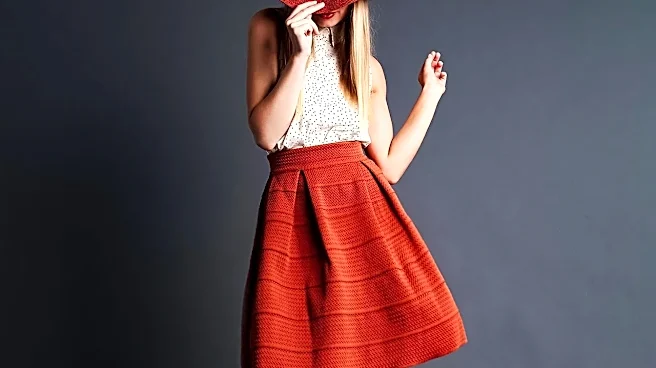
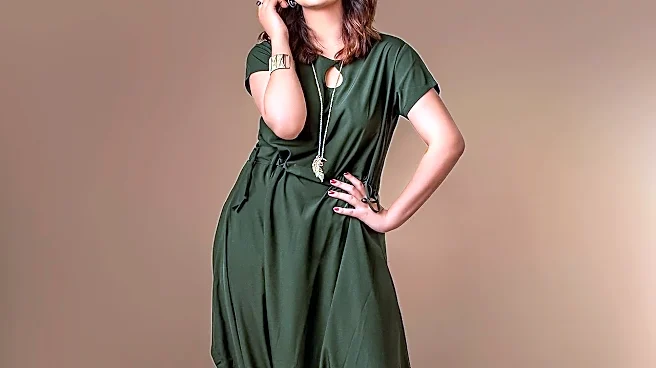
The material of the dress is a silent partner in its fit. A lightweight fabric like linen or viscose will drape and flow, creating soft waves as you move. A stiffer material, like a heavy cotton poplin, will create a more architectural, voluminous shape. Neither is better, but the fabric’s behavior determines the dress's overall silhouette. The hemline is also critical for proportion. A common styling trick for oversized dresses is to ensure the hemline hits at a flattering point, such as just above the knee or on the shin for a midi length, to elongate the legs and balance the volume up top. The combination of the right drape and the right length ensures the generous cut feels balanced and intentional.
Styling Is the Final Polish, Not the Fix
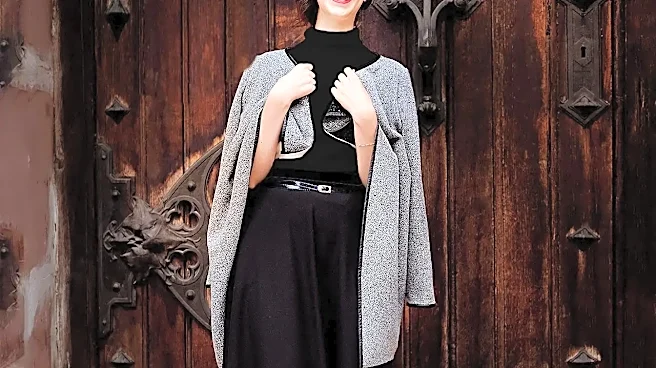
Belts, structured bags, and sleek footwear can all enhance the look of a loose-fitting dress. Adding a belt can define your waist and create an instant silhouette, which is a fantastic styling choice. However, it's important to view these accessories as polish, not as a fix for a poor fit. A belt can't correct shoulder seams that are halfway down your arms or a bustline that pulls. Think of styling as the final 10% of the equation. First, find a dress with the right foundational structure—the correct shoulders, appropriate armholes, and a flattering drape. Once you have that precise (but loose) fit, your styling choices will elevate the look from good to great.