
It’s About Dread, Not Delay
The biggest misconception about slow burn horror is that it’s a story where nothing happens for 90 minutes before a frantic finale. That’s not a slow burn; that’s just a badly paced movie. True slow burn horror isn’t
about postponing the scary parts; it’s about making the entire film the scary part. The horror begins early, but it announces itself in whispers, not screams. It’s the subtle detail that feels wrong, the strange pattern that emerges, or the off-key conversation that hints at a terrible secret bubbling just under the surface. These films don't withhold action; they build a foundation of dread so solid that by the time the real terror is unveiled, you feel like you’ve been holding your breath the whole time.
Atmosphere as the Antagonist
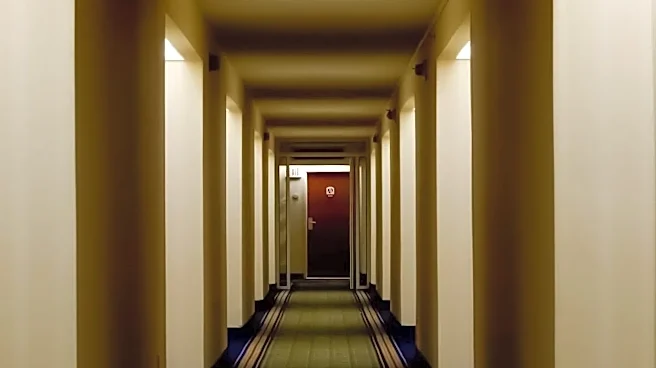
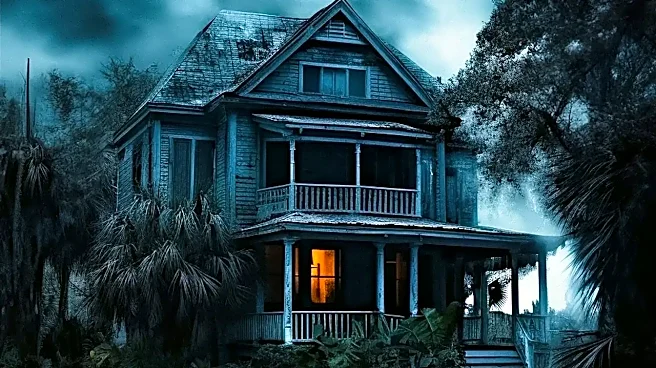
In a great slow burn, the setting itself often becomes a character—and usually, it's the villain. Think of the oppressive silence of the woods in The Witch or the labyrinthine, lonely hallways of the Overlook Hotel in The Shining. Filmmakers who master this subgenre are experts in atmosphere. They use long, quiet takes, unsettling sound design, and naturalistic dialogue to create a world that feels both real and deeply wrong. The goal isn't to make you jump, but to make you feel unsafe even in the quietest moments. It trades the quick shock of a monster leaping from the closet for the lingering fear that the closet door was open when you know you shut it. That's a feeling that follows you long after the credits roll.
The Payoff You Have to Earn
Jump scares are a sugar rush of adrenaline—a quick spike that fades almost instantly. A slow burn is a psychological descent. It requires more patience from the audience because it’s playing a longer, more sophisticated game. Instead of just startling your nervous system, it’s working to unravel your sense of security. The horror is effective because you’ve had time to connect with the characters and understand their world before it all goes wrong. When a character you’ve spent an hour with makes a fateful decision or finally succumbs to the encroaching darkness, the impact is personal and devastating. The final act of a film like Hereditary or the original Rosemary's Baby isn't just a climax; it’s the inevitable, horrifying conclusion to a meticulously built argument.
What to Watch For (If You Dare)
So, how do you appreciate a film that’s designed to unnerve rather than startle? Pay attention to what isn’t being shown. Notice the unnatural stillness, the conversations where the subtext is screaming louder than the dialogue, and the character choices that trap the protagonists long before the monster appears. Films like The Invitation, The Blackcoat's Daughter, and The House of the Devil are masterclasses in this. They don't just tell a scary story; they lure you into a state of anxiety and hold you there. The “action” isn’t a chase scene; it’s the dawning realization on a character’s face that they’ve made a terrible mistake. That creeping sense of inevitability is where the real horror lives.