






A City at Its Peak
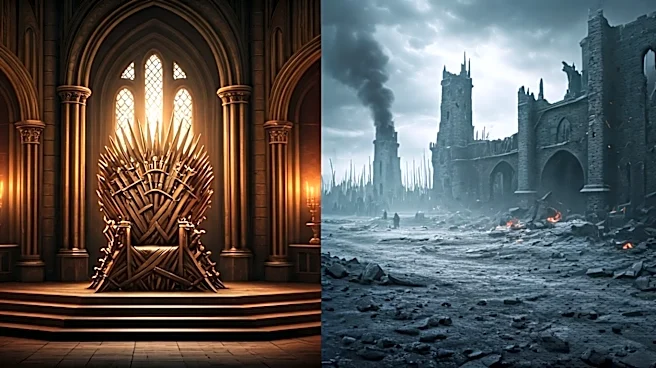
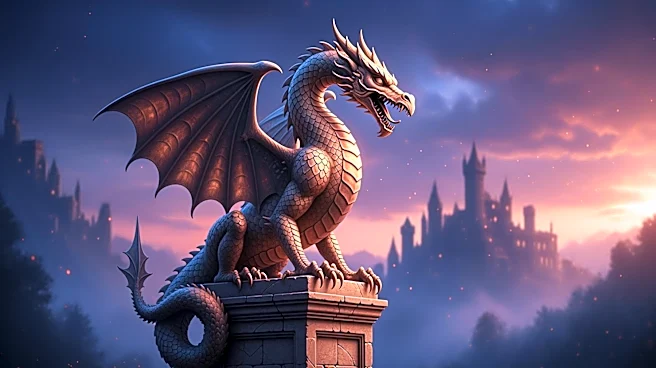
In *House of the Dragon*, we see King’s Landing as it was meant to be: the beating heart of a Targaryen dynasty at the height of its power. The Red Keep isn’t just a fortress; it’s a living museum of dragon-fueled glory. The walls are covered in rich
tapestries depicting Targaryen history. The throne room is adorned with intricate carvings and dragon motifs. The city feels prosperous, bustling, and secure under the watchful eyes of nearly a dozen dragons. This is the “throne room fantasy”—a capital that reflects the majesty and confidence of its rulers. It’s a city built on the idea that Targaryen power is absolute and eternal, a myth the characters (and the audience) are invited to believe in.
The Scars of Rebellion
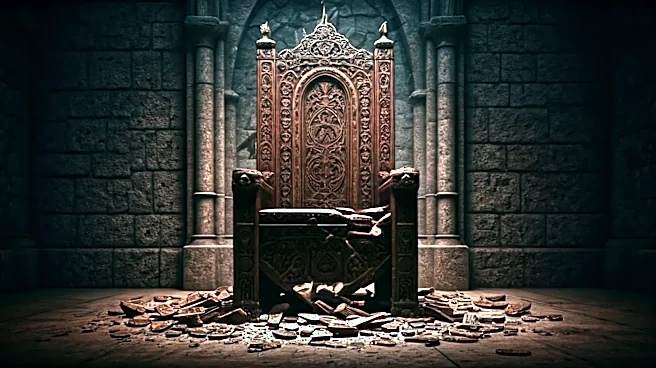
The first major change comes with Robert's Rebellion, the event that precedes *Game of Thrones*. When the Targaryens are overthrown, the city’s identity is violently stripped away. Robert Baratheon, a king who wins the throne through conquest but hates the act of ruling, has no interest in maintaining the Targaryen aesthetic. The showrunners of *Game of Thrones* made a deliberate choice to show this change. The Targaryen tapestries are torn down, replaced by Baratheon stag banners. The dragon skulls, once displayed with pride, are relegated to a dusty cellar. The city itself bears the scars of the Sack of King's Landing, a brutal event that saw Lannister soldiers rape and pillage their way through the streets. The capital is no longer a symbol of dynastic pride but a conquered territory, ruled by a man who would rather be anywhere else.
The Lannister Rot Sets In
Under the influence of the Lannisters, the decay accelerates. This isn't just aesthetic neglect; it's a deep, moral corruption. King's Landing becomes synonymous with political scheming, betrayal, and the widening gap between the ultra-rich and the starving poor. The Red Keep becomes a colder, more paranoid space. The camera in *Game of Thrones* often lingers on the filth in Flea Bottom, the desperation of the common folk, and the cynical power plays in the Small Council chamber. The city’s problems are no longer hidden. They are festering in plain sight. The lavish spending on a royal wedding while the populace starves is a perfect example of this rot. The capital has become a gilded cage, and the people trapped inside are growing angry.
The Faith and the People Turn
The city’s suffering eventually boils over into a full-blown spiritual and political crisis with the rise of the High Sparrow. The Faith Militant movement is a direct reaction to the moral bankruptcy of the crown. It weaponizes the people's piety and poverty against the elite. The sight of Queen Cersei being paraded naked through the streets she once ruled with impunity is a shocking turning point. It shows that the crown has completely lost control of its own capital. The city is now at war with itself. Cersei’s answer—destroying the Great Sept of Baelor with wildfire—is the act of a tyrant losing her grip, choosing to burn her city rather than concede power. It’s a point of no return, transforming the Red Keep from a political center into a bunker for a paranoid queen.
The Final, Fiery Nightmare
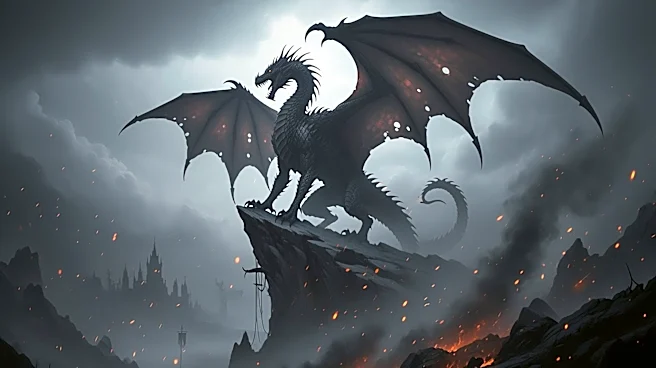
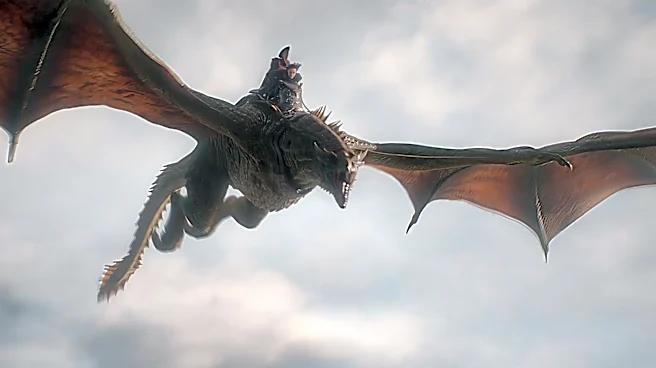
The final stage of the transformation is the most literal. Daenerys Targaryen, arriving as a prophesied savior, becomes the city's ultimate destroyer. Her fiery assault on King’s Landing isn't just a strategic military decision; it’s the culmination of centuries of decay. The city had become a symbol of oppression, betrayal, and broken promises for nearly everyone. For Daenerys, it was the city that betrayed her family. For the people, it was the seat of tyrannical rulers. When the dragon fire rains down, it’s annihilating a place that had already lost its soul. The dream of a great capital, so vibrant in *House of the Dragon*, dies completely, leaving behind a field of ash and bone. The fantasy becomes a literal, waking nightmare.