





The Golden Age of the Long Wait
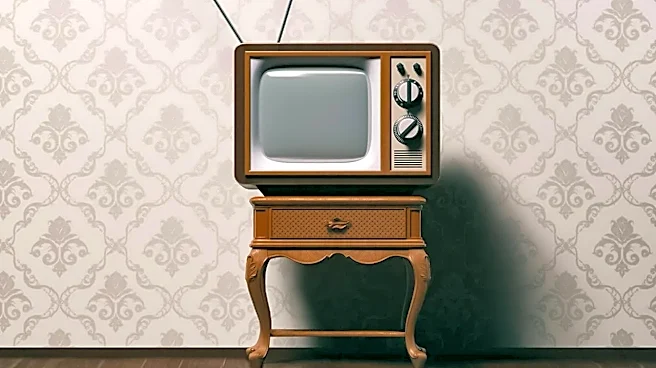
For decades, the cliffhanger was the engine of network television. It was more than just a plot device; it was a business model. When J.R. Ewing was shot on Dallas in 1980, the question of “Who shot J.R.?” became a national obsession, dominating conversations
for eight long months. The season premiere that resolved the mystery was, at the time, the most-watched television episode in U.S. history. This was appointment viewing at its peak. Networks used these manufactured moments of suspense to keep a show in the public consciousness during the summer hiatus, ensuring a massive, ready-made audience for the fall return. It created a shared cultural experience, where viewers had weeks to debate, theorize, and, most importantly, anticipate. From Star Trek: The Next Generation's “The Best of Both Worlds” to the finale of Friends, these endings were designed to keep you locked in, not just for the next episode, but for the next season.
How Streaming Killed the Suspense
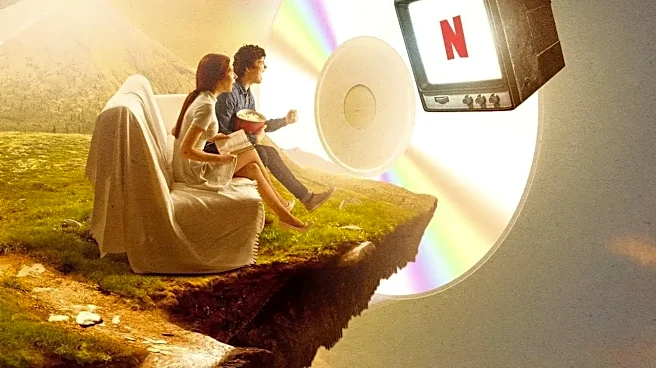
Then came streaming, and the binge model changed everything. When Netflix began dropping entire seasons at once, starting with shows like House of Cards in 2013, the very concept of waiting became antiquated. The next episode wasn’t a week away; it was seconds away, automatically queued up. This fundamentally altered television writing. Stories were no longer structured around weekly peaks and season-ending bombshells, but as 10-hour movies designed for continuous consumption. The cliffhanger, a tool built for a world of scarcity and patience, felt pointless when the resolution was just a click away. This era of instant gratification had its benefits, allowing for complex, novelistic storytelling. But it also shortened a show’s cultural lifespan. A series could dominate social media for a single weekend and then vanish from the conversation entirely. The communal experience of waiting and wondering together was replaced by a more isolated, accelerated viewing habit.
The Great Content Correction of 2026
Flash forward to today. The streaming landscape is no longer a brave new frontier; it’s a crowded, expensive, and fragmented battlefield. Viewers are suffering from “abundance fatigue,” scrolling through endless libraries across multiple costly subscriptions. In response, the industry is recalibrating. Media companies are consolidating, and platforms that once championed the binge are re-embracing weekly or hybrid release schedules for their biggest titles. Data shows that weekly releases, like those for major hits on HBO and Apple TV+, generate more sustained buzz and keep subscribers engaged for longer periods. This prevents the churn that happens when a user signs up, binges a single show in a weekend, and cancels their subscription. The industry is realizing that while a binge-drop can create a massive spike in attention, a weekly rollout builds a more durable relationship with the audience.
A Perfect Storm for Shared Suspense
This is the environment where the cliffhanger finds new purpose. It’s not just about nostalgia; it’s a shrewd strategic tool for the modern media era. A well-executed cliffhanger in Fall 2026 achieves several key goals. First, it recreates appointment viewing in a fractured market, giving a show a fighting chance to become a weekly cultural event. Second, it fuels the modern engine of buzz: social media. The week-long gap between episodes is a perfect incubator for fan theories, memes, and online debates that keep a show relevant. Third, in an age of nine-figure budgets for sci-fi and fantasy epics, a shocking plot twist is a remarkably cost-effective way to generate massive engagement. It’s a return to the fundamentals of storytelling: making the audience care so much they are willing to wait. The comeback of the weekly schedule has paved the way for the return of its most powerful weapon.