




1. The Inevitable Woody and Buzz Reunion
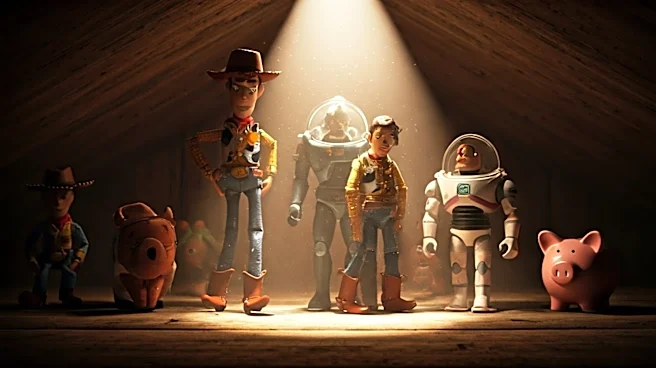
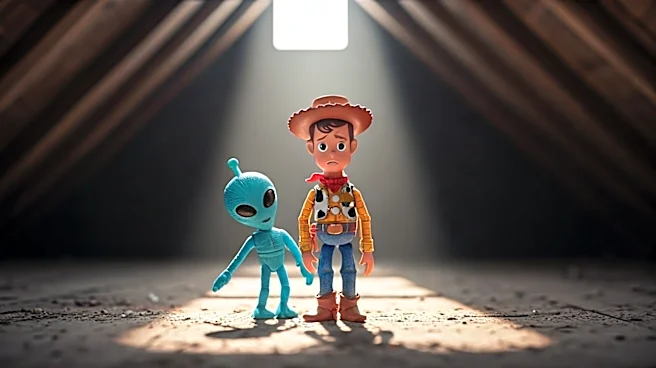
Let’s start with the obvious. Pixar’s own CCO, Pete Docter, confirmed the story involves Woody and Buzz. The risk? Undoing the powerful, mature farewell of *Toy Story 4*. A brand extension version simply has them miss each other and reunite for a low-stakes
adventure, cheapening their separate paths. A great sequel, however, would force a reunion based on an existential threat so large it requires their specific, combined skills. It must be a story that *only* works if they are together again, not one where their reunion is just the starting point for a standard adventure.
2. Andy's Kid Gets the Toys
This feels like the easiest, most tempting fan-service route. Andy, now a father, passes Woody and Buzz down to his own child. The brand extension here is pure, lazy nostalgia—a soft reboot that rehashes the themes of the first film. It’s a closed loop. The path to a great sequel is trickier. It would have to be about the *legacy* of being a toy, exploring whether a toy’s purpose can be passed down like a family heirloom or if each generation redefines that relationship. It’s a story about cycles, not just a repeat of one.
3. A Full-Blown Heist Movie
The gang has pulled off elaborate schemes before, but centering an entire film on a classic heist—recovering a lost friend or a vital object from a secure location (like a museum or a collector's vault)—has potential. The brand extension version is a fun but forgettable romp, a *Toy Story Toon* stretched to 90 minutes. The great sequel finds a way to tie the heist to the core themes. What are they stealing? *Why* does it matter so much? If the object represents their very identity or purpose, the genre becomes a vehicle for exploring what these toys are willing to risk to feel whole.
4. The Rise of Bo Peep
*Toy Story 4* positioned Bo as a capable, independent leader of the lost toys. A fifth film could fully commit to this, shifting the focus. The lazy way is to make Woody a sidekick in a generic adventure led by Bo. The great sequel would explore the philosophical friction between Woody’s loyalty to one kid and Bo’s commitment to all lost toys. When a crisis forces them to choose between saving one toy versus protecting the community, their opposing worldviews could create the most compelling character drama of the series.
5. A New, Genuinely Terrifying Villain
The franchise’s best antagonists—Sid, Stinky Pete, Lotso—were reflections of a toy’s deepest fears: being mutilated, forgotten, or replaced. A brand extension would give us a one-dimensional baddie. A great sequel needs a villain whose motivations challenge the heroes' worldview. Imagine an AI-powered smart toy designed to be a child’s “perfect” friend, one that sees traditional toys as obsolete relics. This antagonist wouldn't just want to destroy the gang; it would want to prove they are fundamentally irrelevant in the 21st century.
6. A Focus on Bonnie's Other Toys
What about the toys left behind with Bonnie? Jessie, Bullseye, Slinky Dog, and the rest are now Buzz's responsibility. A film focused on this crew could explore leadership and what it means to build a family after the original founders have moved on. The cash-grab version is a B-team adventure that feels like a direct-to-streaming special. The great sequel uses their story to explore Jessie’s journey from abandoned toy to co-leader and Buzz’s struggle to fill Woody’s boots, creating a meaningful story about forging a new identity from the pieces of an old one.
7. The Search for a “Permanent Home”
Woody found his new purpose with the lost toys, but is life at a traveling carnival truly the end game? This story choice sees Woody and Bo debating the merits of finding a permanent community, like a school or a children’s hospital, where they could bring joy consistently. The brand extension is a simple location-change plot. The great sequel is a powerful debate about purpose: is it better to bring profound joy to a few, or fleeting joy to many? It’s a question that strikes at the heart of Woody’s character arc across all four films.
8. The Return of Sid Phillips
Bringing back the original villain as an adult is a massive swing. The brand extension route is simple revenge: Sid recognizes the toys and wants to expose them. It’s gimmicky. The great sequel path is far more interesting: What if Sid, now a disillusioned adult, is a struggling artist who creates sculptures from discarded junk? He could find Woody or Buzz and, instead of torturing them, see them as relics of a past he doesn't understand, forcing the toys to confront the human they feared most as a complex, broken person.
9. A Meta-Story About Endings
This is the riskiest choice. The toys could discover they are part of a larger story, perhaps by finding merchandise or videos of their own adventures. This could easily become a self-indulgent, brand-aware mess. But a great sequel, in the hands of a master like Pixar, could use this meta-narrative to explore the very nature of storytelling and why some stories never seem to end. It would be a direct conversation with the audience about why we can't let go of these characters, turning the franchise's commercial reality into its final thematic statement.