

So, What Is His 'Most Famous' Film?
When you think of Robert Rodriguez, which film comes to mind first? For some, it’s the slick, star-powered western violence of Desperado. For others, it’s the stylish, gothic-noir collaboration with Quentin Tarantino, From Dusk Till Dawn. An entire generation
knows him for the family-friendly adventure of Spy Kids, while cinephiles might point to the groundbreaking visual marvel of Sin City. But the truth is, his “most famous film” isn't a single title. It’s the explosive, hyper-kinetic style he forged with his debut, El Mariachi. That film, famously shot for a mere $7,000, is the Rosetta Stone for his entire career. The DNA of that ultra-low-budget production—its blistering pace, its creative problem-solving, and its sheer audacity—is present in everything that followed. The spirit of El Mariachi is what made Rodriguez a Hollywood player, and it's the foundation upon which all his other famous works were built.
The Real Hidden Frame: The 'Mariachi-Style' Method
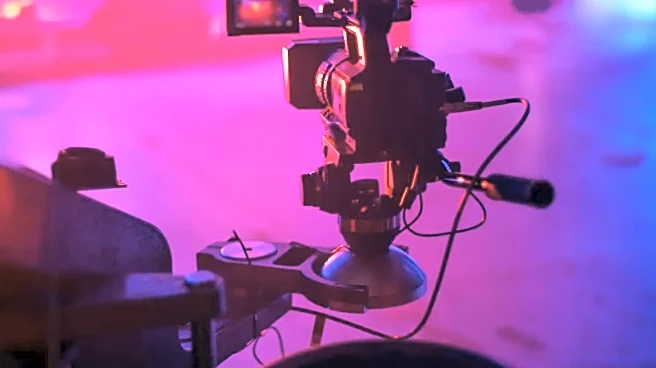
Here's the secret: the hidden frame isn't on the celluloid. It’s the philosophy Rodriguez developed out of necessity, which he calls “Mariachi-style” filmmaking. It’s a framework for creativity where, as he puts it in his book Rebel Without a Crew, “Creativity, not money, is used to solve problems.” To fund El Mariachi, Rodriguez participated in clinical drug trials. He shot the film essentially by himself, serving as director, cinematographer, and editor. He used a broken wheelchair for dolly shots and cleverly edited around the fact that he only had one of certain props. This resourceful, do-it-all approach earned him the nickname of the “one-man film crew.” In the credits for his later films, you'll see this philosophy in action, with Rodriguez credited for shooting, editing, and even scoring the movie. That's the hidden frame: a production model where one person’s singular vision and relentless ingenuity control every aspect of the film, from concept to final cut.
How The Process Creates The Picture
Once you understand his method, you can see it everywhere in his work. Rodriguez’s signature fast cuts and energetic camera movements weren't just a stylistic choice; they were a byproduct of a low budget. Shooting with limited film stock meant he had to be incredibly efficient, often planning for only one take per scene. This forced him to edit in his head and shoot only what was absolutely necessary, resulting in a lean, propulsive narrative style. His background as a cartoonist informed this visual-first approach. The larger-than-life action, the quick zooms, and the dynamic framing are all hallmarks of a director who thinks in storyboards and prioritizes momentum above all else. This process is also why he embraced digital filmmaking so early and effectively with films like Spy Kids 3-D and Sin City, as the technology allowed him even greater control and efficiency, perfectly aligning with his Mariachi-style ethos.
A Legacy of Guerilla Filmmaking
The impact of this “hidden frame” extends far beyond Rodriguez’s own filmography. By making El Mariachi for $7,000 and turning it into a Hollywood success story, he didn't just launch his own career; he democratized the very idea of filmmaking for a generation of aspiring directors. His book and his famous “10-Minute Film School” segments, included on his DVDs, became legendary resources for indie filmmakers. He pulled back the curtain on Hollywood magic and showed that you didn’t need millions of dollars, a massive crew, or industry permission to make a movie. All you needed was a camera, a compelling idea, and a relentless drive to solve problems with creativity instead of cash. He proved that the most powerful tool a director can have is a philosophy, a framework for getting things done no matter the obstacles. That, more than any single shot or scene, is the true legacy of his most famous work.