





1. The 60-Second Assembly Rule
The single most important factor is speed. A festival dish must be assembled and handed to a customer in under a minute. This means every component should be pre-cooked, pre-chopped, and ready for lightning-fast assembly. Any dish requiring complex, on-the-spot
cooking will create a bottleneck that kills your sales.
2. The Walk-and-Eat Factor
Festival-goers are in constant motion. A successful dish is one that can be easily eaten with one hand while walking. Bowls, cones, and items on a stick are perennial winners. Anything requiring a knife and fork, or that risks falling apart, is a recipe for customer frustration and mess.
3. Minimal Ingredient Count
Fewer ingredients mean less prep, smaller storage needs, and a simpler supply chain. A dish with five core components is far more manageable than one with fifteen. This simplifies ordering, reduces the chance of running out of a key ingredient, and makes assembly faster for your crew.
4. Cross-Utilization of Ingredients
Smart vendors design menus where ingredients are shared across multiple items. The grilled chicken for your tacos can also go on a salad, and the sauce for your fries can be used on a burger. This strategy minimizes food waste and streamlines your inventory management, which is critical in a chaotic festival environment.
5. Profit Margin Analysis
Taste and speed don't matter if you're not making money. Vendors must calculate the cost-per-serving with precision. Profitable festival foods often rely on low-cost bases like fries, rice, or bread, with higher-cost proteins added in controlled portions. The goal is a food cost percentage typically between 28-35%.
6. The Hot-Hold Capability
Many core ingredients need to be cooked in batches and held at a safe temperature until they're ordered. Can your main protein or grain sit in a warmer for an hour without turning to mush or drying out? Dishes that hold well allow you to cook ahead for the rush, ensuring you never fall behind.
7. Low-Skill Assembly
Festival staff are often temporary and may not have extensive culinary training. A menu item must be simple enough that a new hire can be trained to assemble it perfectly in minutes. Complex wraps or dishes with precise plating requirements are often too difficult to execute consistently at high volume.
8. The 'Grammability' Test
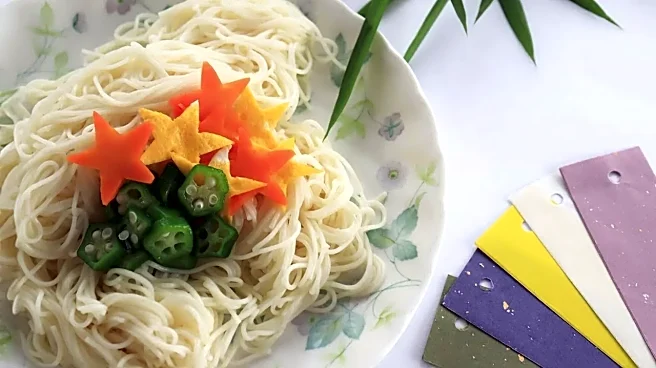
In the age of social media, your food has to look as good as it tastes. Does the dish have vibrant colors? Is it served in unique packaging? A visually striking item encourages customers to post photos online, generating free marketing that can drive a line to your booth.
9. Sourcing and Storage Logistics
Festival sites have limited space and refrigeration. A menu that relies on highly perishable ingredients that need constant cold storage is a logistical nightmare. Successful vendors choose ingredients that are stable and easy to source from suppliers who can deliver mid-festival if needed.
10. Weather Resilience
The menu needs to work in the expected weather. On a hot summer day, a heavy, piping-hot stew might struggle, while a refreshing dish could be a huge seller. Conversely, a cold dish won't appeal during a chilly autumn festival. Smart vendors check the forecast and plan accordingly.
11. Catering to Dietary Needs
Offering at least one option that is vegetarian, vegan, or gluten-free is no longer a niche strategy—it's essential. Groups of friends often make decisions based on where everyone can find something to eat. A single, well-marked vegan option can capture an entire group's business.
12. Limiting Special Equipment
The more specialized equipment a dish needs, the more can go wrong. A menu built around a standard fryer, griddle, and steam table is far more resilient than one requiring a specialty oven or smoker that could fail mid-rush. Simplicity in equipment means fewer points of failure.
13. The Familiarity vs. Novelty Balance
Your menu should offer something unique to stand out, but it also needs to be approachable. A wildly exotic dish might get attention but fewer buyers. The sweet spot is a familiar concept—like tacos, fries, or pizza—with a unique twist or signature ingredient that makes it memorable.
14. Upsell and Add-On Potential
A well-designed menu has built-in upsells. Can customers add extra protein, bacon, cheese sauce, or a premium topping for a few extra dollars? These small additions can dramatically increase your average transaction value and boost overall profits with minimal extra effort.
15. Minimizing Waste by Design
Every part of the ingredient should be used if possible. Are you trimming vegetables in a way that creates a lot of waste? Can those trimmings be used in a sauce or a base? A menu designed for low waste protects your profit margin and is a more sustainable business practice.