





The Bracket: A Slow Burn vs. Pure Anarchy
March Madness is beloved for its immediate, high-stakes chaos. From day one, it’s win or go home. Sixty-eight teams enter, and one loss sends you packing. This pure, single-elimination format is what fuels the frantic energy and makes a 16-seed beating
a 1-seed a legendary event. The FIFA World Cup takes a more measured approach. The tournament begins with a 'group stage' where 32 teams (expanding to 48 in 2026) are split into small groups of four. Each team plays the other three in its group. You get points for wins and ties, and only the top two teams from each group advance. This structure rewards consistency and gives powerhouse teams a chance to recover from an early slip-up. The heart-pounding, single-elimination 'knockout stage' only begins after this initial phase, creating a slow burn that builds to an explosive finish rather than starting with one.
The Players: College Kids vs. National Heroes
The soul of March Madness is its connection to amateurism (at least in theory). The players are student-athletes, representing their universities. They are often teenagers or young men in their early twenties, playing for school pride, a shot at a pro career, and one shining moment. We fall in love with their youthful energy and the David vs. Goliath narratives. The World Cup is the absolute opposite. The players are seasoned professionals, many of them global superstars earning tens of millions of dollars a year at elite clubs like Real Madrid or Manchester City. When the World Cup comes around, they leave their club teams to play for their home country. They aren't just athletes; they are national icons carrying the hopes and dreams of hundreds of millions of their fellow citizens. The pressure isn't just about winning a game; it's about national identity and honor.
The Scale: A National Obsession vs. a Global Religion
Make no mistake, March Madness is huge. The NCAA championship game regularly draws 15-20 million viewers in the U.S. It dominates the American sports conversation for three weeks and generates billions in ad revenue and legal wagering. It feels like the center of the universe… if your universe is the United States. The World Cup operates on an entirely different plane of existence. The 2022 Final between Argentina and France was watched by an estimated 1.5 billion people worldwide. Over the course of the tournament, more than half the planet's population tunes in. In many countries, work stops, national holidays are declared, and life itself seems to pause for 90 minutes. While an American boss might humorously chide you for watching a game at your desk, entire governments abroad schedule their affairs around their team's matches.
The Vibe: Office Pools vs. Geopolitical Dramas
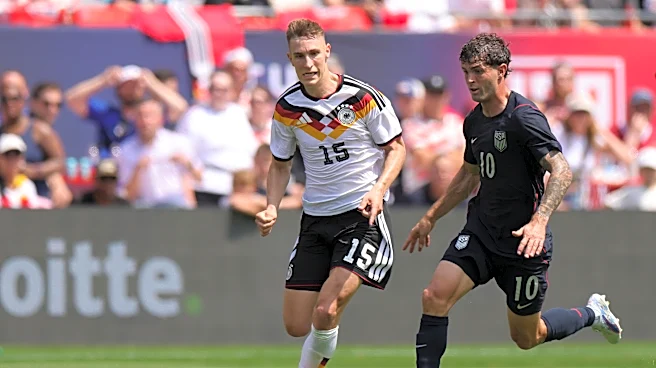
The culture around March Madness is quintessentially American: filling out brackets, joining office pools, and rooting for the underdog Cinderella story. It’s a fun, frantic, and relatively low-stakes distraction where a team from a small school you've never heard of can become America's sweetheart for a weekend. The World Cup is steeped in a century of history, rivalry, and sociopolitical meaning. When England plays Germany, it's about more than soccer. When a former colony plays its onetime colonizer, the match becomes a proxy for history. The vibe isn't just about fun; it’s about catharsis, patriotism, and sometimes, settling old scores. The fan celebrations aren't just campus parties; they are city-stopping, nationwide carnivals of joy that can last for days.
The Upsets: A Bracket Buster vs. a National Miracle
An upset in March Madness is a statistical shock—a No. 15 Saint Peter's toppling No. 2 Kentucky is a beautiful, bracket-busting moment of pure chaos. It's a great story that enriches the tournament's lore. But by the next week, the national conversation often moves on. An upset at the World Cup is a national event that can feel like a miracle. When Saudi Arabia defeated eventual champion Argentina in the 2022 group stage, the king declared a national holiday. When Cameroon beat defending champion Argentina in 1990, it was seen as a landmark moment for African soccer. These victories aren't just fun stories; they become foundational myths for a nation's sporting identity, remembered and retold for generations.