






The Closer: Master of the Final Moment
Think of the 9th inning. The closer jogs in from the bullpen, the game hanging on three outs. The stadium is electric with tension. Every pitch is a potential disaster or a step toward victory. Now, imagine that feeling stretched across 90 minutes, where
long periods of inactivity are shattered by a single, game-deciding moment. That’s the goalkeeper as the closer. For 89 minutes, a keeper might touch the ball only a handful of times. They watch the game unfold from 100 yards away, a spectator with the best seat in the house. But then, a turnover, a breakaway, a penalty kick. Suddenly, they are the entire game. Like a closer facing a bases-loaded jam, the keeper must have the mental fortitude to perform flawlessly under immense pressure. One mistake—a misjudged angle, a moment of hesitation—can nullify an entire game’s worth of good work from their teammates. The save is expected; the goal is a catastrophe. It’s a job defined by its highest-leverage moments, where mental toughness is just as important as physical skill.
The Goalie: The Last Line of Defense
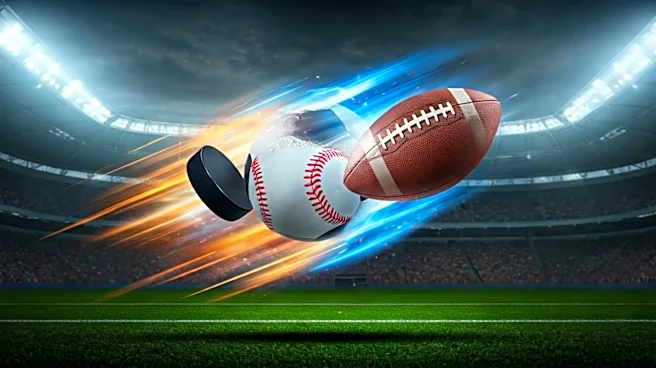
The most direct comparison, of course, is to their frozen-water counterpart: the hockey goalie. The parallels are obvious and visceral. Both are the final backstop, the last line of defense tasked with putting their body in front of a projectile traveling at frightening speeds. The soccer keeper may not be facing a frozen rubber puck, but a swerving, dipping, 90-mph Jabulani is its own special brand of terror. Like a hockey goalie, the soccer keeper’s game is built on angles, positioning, and explosive reflexes. They must anticipate, react, and often improvise. The chaos of a corner kick mirrors the scrum in front of the crease—a flurry of bodies, flailing limbs, and zero visibility. Both must command their area with authority, absorbing physical punishment and communicating frantically to organize the chaos in front of them. It's a role of instinctual bravery, where the primary job is to be the immovable object against an unstoppable force, over and over again.
The Quarterback: Commander of the Field
This is the part of the job most fans miss. While the other 21 players on the pitch are caught in the tactical weeds of their immediate area, the goalkeeper has a unique perspective. They are the only player who sees the entire field of play, from their own goal to the opponent’s. In this, they are the team’s quarterback. From their vantage point, they are constantly reading the developing play, not just defensively but offensively. They are the defensive coordinator, shouting instructions to their back line, pointing out unmarked runners, and ensuring the team maintains its shape. They are Peyton Manning at the line of scrimmage, diagnosing the opponent's formation and making adjustments. When they claim a cross or make a save, their next action starts the attack. A quick, clever throw to a winger or a booming punt to a target forward is the equivalent of a quarterback’s first read. They are the first attacker, turning defense into offense in a single motion. This tactical responsibility, this on-field generalship, is what separates a good shot-stopper from a truly great goalkeeper.