


An Injection of Pure Shock Value
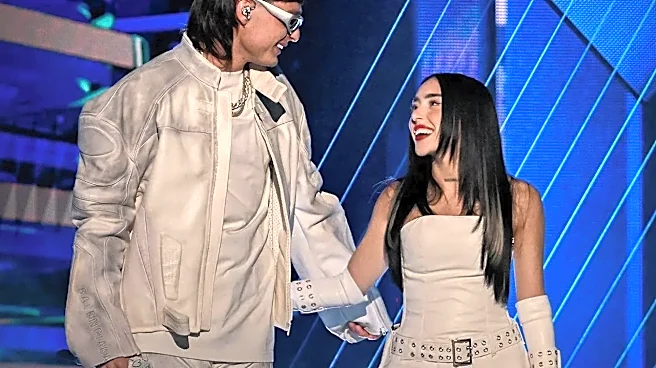
The VMAs were built on a foundation of unpredictability. Unlike the polished, stately Oscars or Grammys, the VMAs thrive on a sense of anything-can-happen energy. A surprise duet is the quickest way to deliver on that promise. The moment a second, unannounced
artist walks on stage, the entire dynamic of the show shifts. It’s an instant jolt of adrenaline for the audience, both in the building and at home. This isn't just about two famous people singing together; it’s about breaking the script. The most memorable VMA moments are often the ones nobody saw coming, and a surprise duet guarantees a collective gasp, transforming passive viewing into an active, shareable event. It’s the kind of stunt that ensures the show dominates social media feeds for the next 24 hours.
Crafting a Narrative in Real Time
Many of the most legendary VMA duets aren't just musically interesting; they're narratively brilliant. Take Taylor Swift and Nicki Minaj opening the 2015 show. After a public misunderstanding on Twitter regarding award nominations, the tension was a major news story. By performing a mashup of "The Night Is Still Young" and "Bad Blood" together, they didn't just sing—they closed a dramatic chapter in front of millions. The performance became the resolution. It was a masterful use of the live television format to control a story, turning potential animosity into a statement of solidarity. The hug they shared at the end wasn't just choreography; it was a public peace treaty, demonstrating the unique power of the VMA stage to create and resolve pop culture drama in a single night.
The Cross-Generational Bridge
A great surprise duet can also serve as a powerful bridge between genres and generations, creating a moment that honors music's past while celebrating its present. The 1999 VMAs showcased this perfectly when Run-DMC and members of Aerosmith joined Kid Rock on stage for a medley that culminated in their iconic crossover hit "Walk This Way". This wasn't just a random collection of artists; it was a live-action history lesson. It connected the dots between the hip-hop pioneers who first sampled Aerosmith, the rock legends themselves, and the rap-rock star who was dominating the charts at that moment. For younger viewers, it was an introduction to foundational artists, while for older fans, it was a validation of their icons' enduring influence. These mashups re-contextualize classic artists for new audiences and give current stars a chance to pay homage, creating a rare moment of unity in the often-fractured music landscape.
The Birth of an Iconic Moment
Ultimately, the perfect VMA duet is about creating a singular, unforgettable moment that transcends the actual award presentations. When Madonna, the original VMA icon, performed with Britney Spears and Christina Aguilera in 2003, it was more than a tribute. The performance, which saw Madonna kiss both younger pop stars, was a calculated, headline-grabbing spectacle that is still talked about decades later. It was a symbolic passing of the torch, an assertion of continued relevance, and pure, unadulterated pop-culture chaos. These are the moments that become VMA lore. From Janet Jackson performing "Scream" in a moving tribute to her late brother Michael, to Beyoncé's iconic pregnancy reveal at the end of a solo performance, the show's greatest hits are often these one-of-a-kind spectacles that feel both spontaneous and historic.