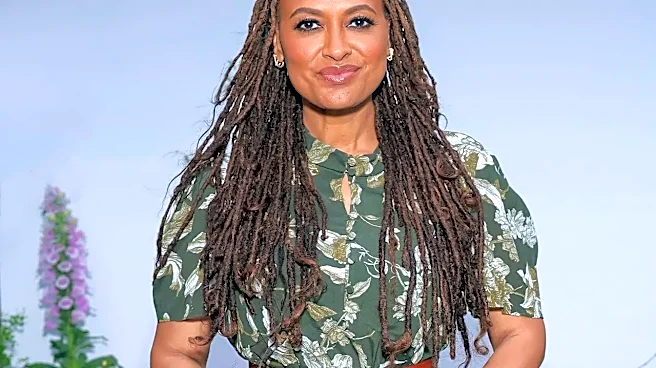


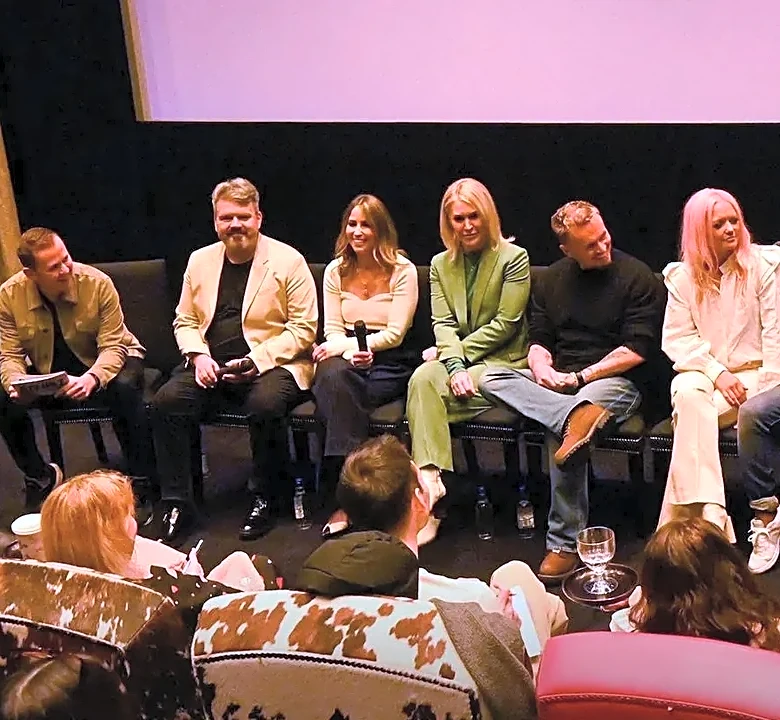
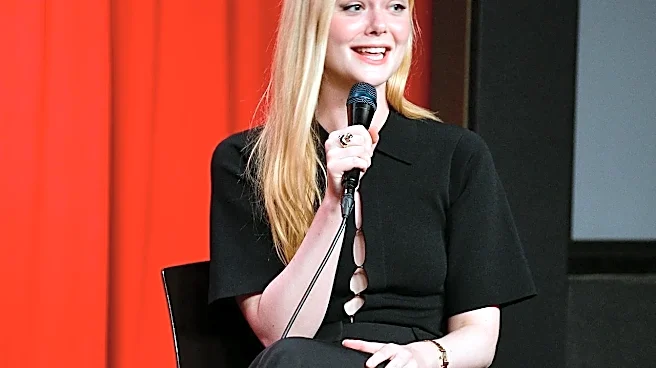
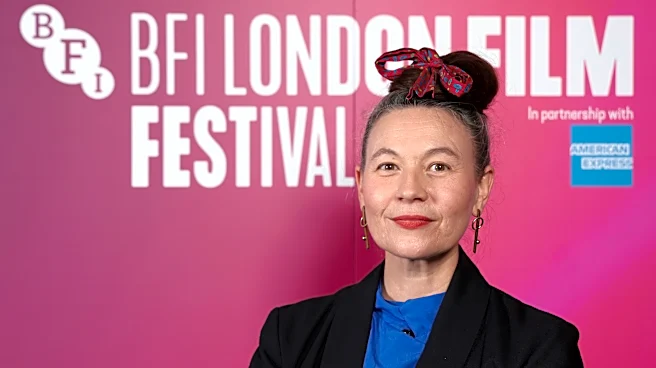
When Ava DuVernay speaks, the industry listens. Her recent Screen Talk at the BFI London Film Festival was more than just a celebrity appearance; it was a candid look into the mind of a creator who has masterfully built a career across forms.
From PR Expert to Auteur
One of the
most compelling parts of Ava DuVernay's story is that she wasn't a film-school prodigy who picked up a camera at age eight. She began her career as a film publicist, spending years on sets and learning the mechanics of Hollywood from the inside out. DuVernay has often shared that this experience was her film school. She didn't pick up a camera to direct her first feature until she was 32. Her journey demolishes the myth that you must follow a traditional, linear path to become a storyteller. Instead, her path suggests a different lesson: learn the entire ecosystem. Understanding how films are marketed, distributed, and discussed gave her a strategic advantage when she finally stepped behind the camera. This transition from publicist to director demonstrates that adjacent expertise isn't a detour; it's a foundation.
The Power of Owning the Means of Production
When Hollywood wouldn't distribute her early work, DuVernay didn't wait for permission. She built her own system. In 2011, she founded ARRAY, a multi-platform arts and social impact collective. Initially launched to distribute films by people of color and women, it has since expanded into a creative campus and production hub responsible for projects like 'When They See Us' and 'Queen Sugar'. This move was revolutionary. Instead of fighting for a seat at a table that wasn't built for her, she built her own, complete with chairs for other underrepresented filmmakers. The existence of ARRAY is central to understanding her career. It's a testament to her belief in narrative change and creative independence, ensuring that vital stories don't get lost due to industry gatekeeping.
Mastering Every Storytelling Form
DuVernay's portfolio is a stunning display of creative versatility. She moves seamlessly between intimate historical dramas like 'Selma', sweeping fantasy blockbusters like 'A Wrinkle in Time', and searing documentaries like the Oscar-nominated '13th'. Her television work, from 'Queen Sugar' to the gut-wrenching 'When They See Us', proves her ability to sustain complex narratives over multiple episodes. This refusal to be pigeonholed into a single format is a defining feature of her career. As her BFI appearance highlighted, she is also continuing her examination of the U.S. Constitution with a new documentary, '14th', which screened at the festival. For aspiring creators, the lesson is clear: don't limit your voice to one medium. The best form for a story is the one that serves it most powerfully, whether that's a 90-minute film, a six-part series, or a feature documentary.
Purpose-Driven Art as a Guiding Principle
Across all these forms, a powerful through-line connects DuVernay's work: a deep commitment to exploring social justice, civil rights, and the nuances of history. 'Selma' reframed the biopic by focusing on a specific, pivotal moment in the Civil Rights Movement rather than a cradle-to-grave biography. '13th' drew a direct, unignorable line from slavery to the modern prison-industrial complex. Her latest feature, 'Origin', adapts a complex non-fiction book about global caste systems into a personal and historical narrative. This consistent focus demonstrates that commercial success and artistic purpose are not mutually exclusive. DuVernay has built a career by telling stories that matter, proving that a strong moral and political compass can be a creator's most valuable asset. Her work doesn't just entertain; it educates, challenges, and reframes the American narrative.