


From Indie Darling to Global Contender
For years, Primavera Sound in Barcelona was the gold standard for a certain kind of music fan. Founded in 2001, it was a festival built with a clear identity: a haven for indie and alternative rock. It catered to fans who prided themselves on musical
discovery, showcasing revered legacy acts and emerging bands long before they hit the mainstream. Unlike sprawling, muddy field festivals, Primavera was urban, sophisticated, and curated with an almost academic rigor. Its initial audience was small—starting with just a few thousand attendees—but fiercely loyal. It was a brand built on taste and credibility, a music-first event that felt more like a cultural pilgrimage than a simple concert.
The Strategic Gamble on 'The New Normal'
By the late 2010s, a strategic shift began to take shape. The festival's organizers started weaving in acts from outside their indie-rock fortress: hip-hop, electronic music, and, most controversially, mainstream pop. This evolution accelerated dramatically in 2019 with a campaign called “The New Normal,” a commitment to a 50/50 gender-balanced lineup. While a landmark move for equality, it also served as a powerful business catalyst. To achieve the balance, the festival had to book more headlining female artists, many of whom were global pop stars. This move fundamentally altered the festival's DNA, inviting a new, younger, and more mainstream demographic, while causing some longtime purists to question if the festival was losing its soul.
A Formula of Addition, Not Replacement
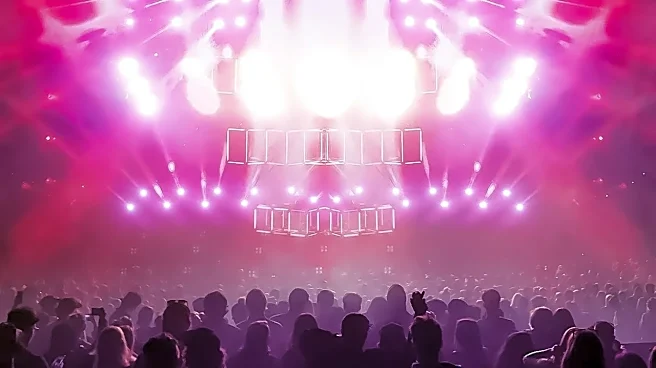
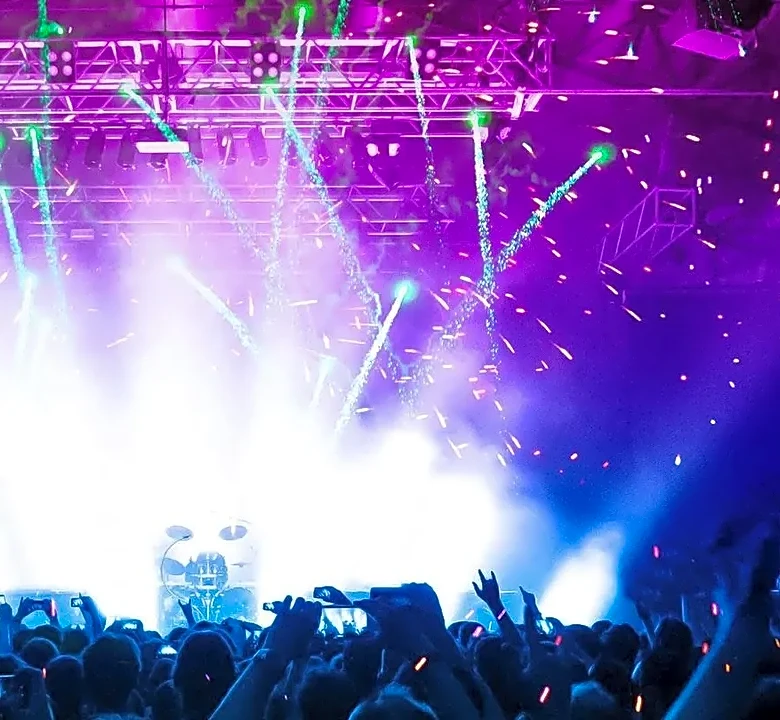
The genius of Primavera’s strategy wasn't replacing its old identity, but adding layers to it. The festival didn't fire its indie bookers; it just hired pop and reggaeton ones, too. The result was a lineup that looked jarring on paper but proved irresistible in practice. You could see an iconic post-punk band like The Cure on one stage, then walk over to see a pop phenomenon like Charli XCX or a rap superstar like Kendrick Lamar. This multi-genre approach mirrored how people actually listen to music in the streaming age—algorithmically and without genre loyalty. By refusing to pick a lane, Primavera became the physical embodiment of a perfectly curated, chaotic playlist. It transformed from being a festival for a specific scene into a festival for the musically curious.
Growth Measured in Continents and Millions
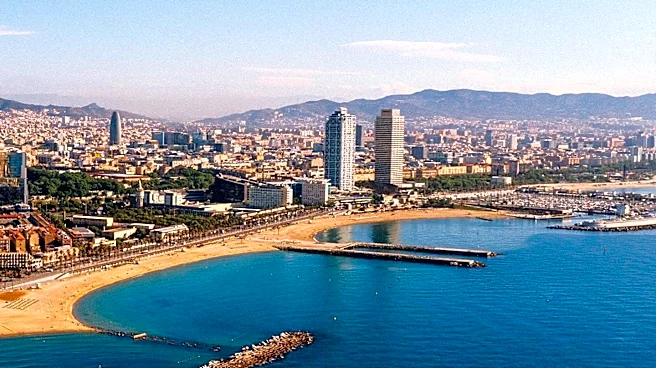
The results of this strategic pivot are undeniable. Attendance exploded, growing from around 7,700 in its first year to a staggering 460,500 for its double-weekend 2022 edition. Sold-out festivals became the norm, with one recent edition generating over €300 million in economic impact for the city of Barcelona. This success provided the capital and brand recognition to launch a global expansion, with satellite festivals in Porto, Los Angeles, and across South America. The brand that was once a niche European affair became a global juggernaut, attracting major corporate sponsorships to fund its ever-growing ambition. By abandoning a singular identity, Primavera Sound didn't just grow; it conquered.