




The Power of a Uniform
Wes Anderson's films are miniature worlds, hermetically sealed universes where every wallpaper pattern, soundtrack choice, and font is meticulously controlled. Central to this vision is costume design. In an Anderson film, what a character wears isn't
just clothing; it’s a uniform, a personal crest that explains who they are, who they were, and who they’re failing to become. For *The Royal Tenenbaums*, his 2001 masterpiece of melancholic comedy, Anderson collaborated with costume designer Karen Patch to create a visual language for a family of failed prodigies. The looks they landed on are so perfect, so deeply entwined with the characters, that it’s almost impossible to imagine Margot, Chas, or Richie wearing anything else. But the truth is, the Tenenbaum aesthetic was a last-minute creative pivot away from a much more conventional vision.
Chas Tenenbaum: From Brooks Brothers to Adidas
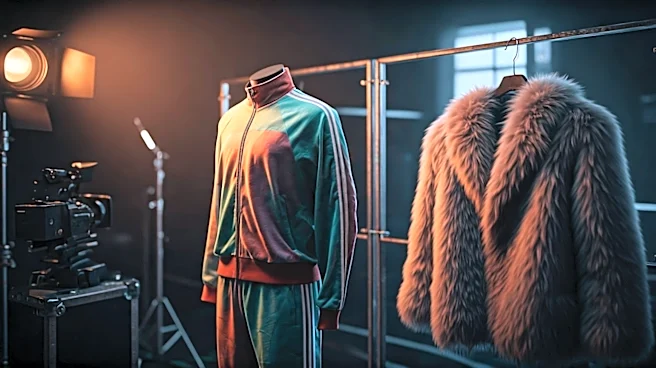
The most famous near-miss involves Chas Tenenbaum (Ben Stiller), the paranoid real estate whiz and father of two. His bright red Adidas tracksuit is arguably the film's most recognizable piece. It’s a symbol of his arrested development, a frantic attempt to control his environment, and a way to match his sons, Ari and Uzi. It's the outfit of a man perpetually ready for a fire drill. However, this was a late-game decision. According to Patch, the original plan was for Chas to wear a classic Brooks Brothers suit. The idea was that he was a sharp, Wall Street type. But as shooting neared, Anderson felt it wasn't right. The tracksuit, discovered late in the process, provided the perfect visual punchline: a man of finance and anxiety who had regressed into the role of a hyper-vigilant coach for his own children. The switch transformed Chas from a generic businessman into a uniquely Tenenbaumian specimen of neurosis.
Margot's Melancholy: From '60s Mod to Timeless Enigma
Gwyneth Paltrow’s Margot Tenenbaum, with her heavy eyeliner, deadpan delivery, and ever-present cigarette, is a beacon of sad-girl chic. Her signature Fendi fur coat paired with a striped Lacoste polo dress is a look that’s been imitated countless times. It makes her seem out of time—a woman clinging to a glamorous, slightly musty past. Initially, however, Karen Patch and Wes Anderson considered a more specific period look for Margot. They explored a '60s Mod aesthetic, inspired by designers like Courrèges. While stylish, it would have pinned Margot to a specific era. The final ensemble is far more powerful because of its timeless ambiguity. The Lacoste dress feels like something she could have worn as a teenager, while the luxurious fur coat (which was real, to Paltrow’s reported dismay) hints at the life of a celebrated playwright she’s trying to escape. It’s the uniform of someone hiding secrets, not someone making a fashion statement.
Richie's Breakdown: The Tennis Pro in Exile
Richie “The Baumer” Tenenbaum (Luke Wilson) is a walking contradiction. He’s a former tennis champion whose public breakdown on the court defines his life. His costume—a suit jacket over Fila sportswear, complete with a sweatband and aviator sunglasses—perfectly captures this duality. He’s attempting to be a sophisticated, world-weary traveler, but he can’t shake the identity of his athletic past. This look was also a product of careful refinement. The key was blending the formal with the athletic. The Fila brand itself was a specific nod to Björn Borg, the stylish tennis star of the 1970s, grounding Richie in a specific era of tennis cool. The suit over top suggests a man trying to bury his former self in respectability, but failing. Had he worn only the suit, or only the sportswear, the character’s inner conflict wouldn’t have been so immediately, and beautifully, visible on screen.