





The Unspoken Rules of the Festival Lineup
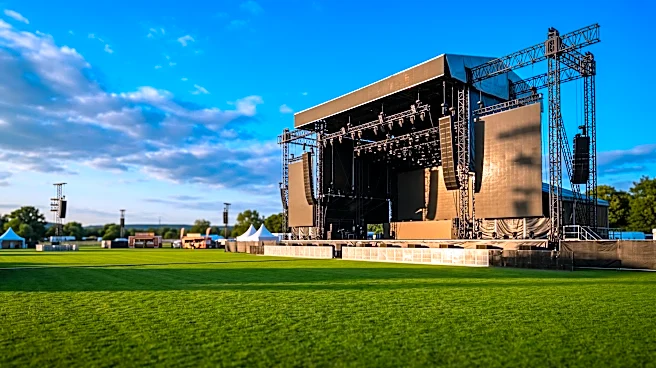
To the casual fan, a festival is a collection of stages. To the music industry, it’s a carefully calibrated caste system. At ACL, you have the two colossal main stages, American Express and T-Mobile, reserved for the titans of music—the headliners and the acts
playing right before them. Then you have the secondary stages, like the Miller Lite and Tito’s Handmade Vodka tents, which are formidable platforms in their own right. This is where you’ll find established indie darlings, crossover acts on the verge of stardom, and legacy bands with devoted followings. Finally, you have the smaller “discovery” stages, like the BMI stage, which host up-and-coming artists in the early afternoon slots. An artist’s position isn't random; it's a direct reflection of their perceived value, determined by booking agents, promoters, and label executives months in advance. A 1 p.m. slot on a side stage is a foot in the door. A 5 p.m. slot on a secondary stage is a vote of confidence.
From Side Stage to Second Stage
The most significant leap an artist can make isn't necessarily becoming a headliner, but jumping from that early side stage to a prime late-afternoon slot on a main or secondary stage. This is the hidden signal. It announces that an artist has graduated from “buzz band” to a bankable asset. This upgrade means their agent had the leverage to negotiate a better position, often fueled by a viral hit, a successful album, or a rapidly growing fan base. It also signals that their record label is willing to invest more in their live show, providing tour support for better production. For festival promoters, giving an artist a bigger stage is a calculated risk. They are betting that this act can not only retain their dedicated fans but also draw in thousands of casual attendees wandering the park, effectively testing their potential as a future headliner.
An Audition for the Big Leagues
Consider an indie-pop artist who played to a small but passionate crowd at 2 p.m. last year. This year, they’re back at ACL, but now they have the 4:30 p.m. slot on the Miller Lite stage. This isn't just a better time; it’s an audition. The performance is no longer about just playing the songs. It's about commanding a space that might be ten times larger. Can their stage presence fill that void? Can their sound, designed for clubs, translate to an open field with a massive PA system? This is where artists must prove their mettle. A bigger stage often comes with a bigger production budget, allowing for more sophisticated lighting, video screens, and a fuller sound. A successful set here doesn't just entertain the crowd; it proves to the entire industry watching that the artist is ready for the next level and can justify the investment. It’s a public performance review with thousands of people in attendance.
What the Upgrade Unlocks
The rewards for nailing that upgraded set extend far beyond the weekend at Zilker Park. A prime festival slot generates a new wave of press coverage and social media chatter, often landing the artist on numerous “best of the fest” lists. For many musicians today, festivals are a more crucial revenue stream than traditional album sales or grueling club tours. A successful, well-attended performance at a major festival like ACL directly impacts their booking fee for future events. It gives their agent a powerful new data point: “They drew 15,000 people at 5 p.m. at ACL; they are worth the price.” It solidifies their position for the next year’s touring circuit, potentially as a headliner for mid-sized venues or as a coveted direct support act for a major arena tour. That one-hour set can fundamentally alter an artist’s economic reality and career path for years to come.