









An Engineering Feat Against the Heat
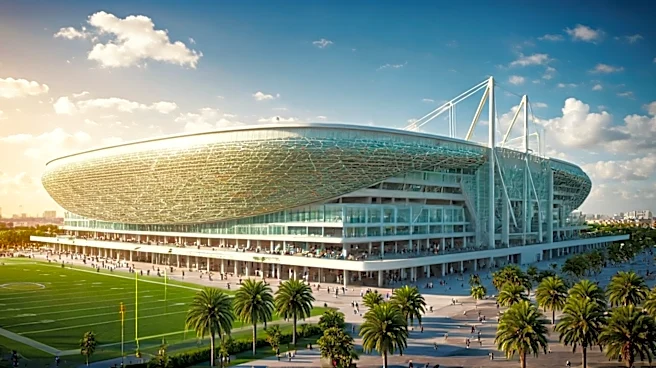
Hard Rock Stadium, the venue for seven World Cup matches, is built for the South Florida climate. Its most prominent feature is a massive, 14-acre open-air canopy that shades nearly all of the stadium's 65,000 seats from the intense sun. This engineering
marvel, part of a major renovation, uses a translucent material that diffuses sunlight, reducing heat and glare without creating the closed-in feel of a dome. The design is a masterclass in climate management, providing protection from both the sun and Florida’s sudden downpours while leaving the pitch itself open to the air, ensuring the natural grass field stays in prime condition. For fans, this means experiencing the balmy outdoor atmosphere of a summer match in Miami with a crucial element of comfort. The structure was specifically designed to handle the region's weather, making it an architectural oasis perfectly suited for a tournament held in June and July.
A Global Crossroads of Culture
Miami’s tropical identity is defined by its people. As one of the world's most international cities, it's a melting pot of Latin American and Caribbean cultures, creating a dynamic community where soccer is deeply ingrained. This cultural fusion will be on full display throughout the tournament. The FIFA Fan Festival at Bayfront Park is set to be the heart of the celebration, featuring live music, cultural performances, and food offerings that reflect the city's diverse heritage. Fans can expect everything from Latin American specialties to Caribbean-inspired dishes, transforming the simple act of grabbing a pre-game bite into a culinary tour of the tropics. The passion for the game here is palpable, with deep roots in a community that lives and breathes soccer, making it feel less like a hosted event and more like a homecoming.
The City Becomes the Festival
The party won’t be confined to the stadium or the official fan zone. Miami itself is turning into a sprawling festival ground. From Miami Beach to neighborhoods like Little Havana and Wynwood, the city is leaning into the celebration. Watch parties are planned for public spaces across South Florida, including a massive, free kickoff concert and viewing party on the sands of Miami Beach, headlined by Colombian music icon Carlos Vives. Lummus Park will host an immersive public art installation called REEFLINE, blending soccer with creativity and culture against the iconic backdrop of Ocean Drive. These events are designed to integrate the tournament into the very fabric of the city, creating an electric, city-wide atmosphere where the line between local life and the global sporting event blurs into one continuous celebration.
More Than a Game, It's an Experience
Miami has established itself as a global entertainment destination, hosting events like the Formula 1 Grand Prix and the Miami Open, which have prepared it for a spectacle of this scale. The city's infrastructure is geared toward large-scale visitor experiences, from its diverse hotel options to its thriving arts and nightlife scenes. For the World Cup, this translates into a seamless blend of sport and lifestyle. Fans can spend their days exploring vibrant neighborhoods, enjoying beachfront activities, or visiting soccer-themed art pop-ups before heading to a match or a watch party. This unique combination ensures that a trip to Miami for the World Cup is about more than just the 90 minutes of play; it's an immersive cultural vacation built around the beautiful game.