





Beyond Boardroom Armor
For decades, the standard American office suit has functioned as a kind of armor. With its padded shoulders, rigid chest canvas, and heavy construction, it was designed to project power, authority, and conformity. It creates a V-shaped silhouette that
can feel disconnected from the man wearing it—a uniform that prioritizes a corporate ideal over individual comfort. The jackets seen on the stylish attendees of Pitti Uomo, Italy's premier menswear gathering, represent a quiet rebellion against this philosophy. They’re not about building an artificial frame; they're about complementing the one you already have. This “soft tailoring” isn't sloppy. It’s intentional, highly skilled, and speaks to a different set of priorities: comfort, personality, and an effortless confidence that doesn't need to shout.
The Secret Is in the Shoulder
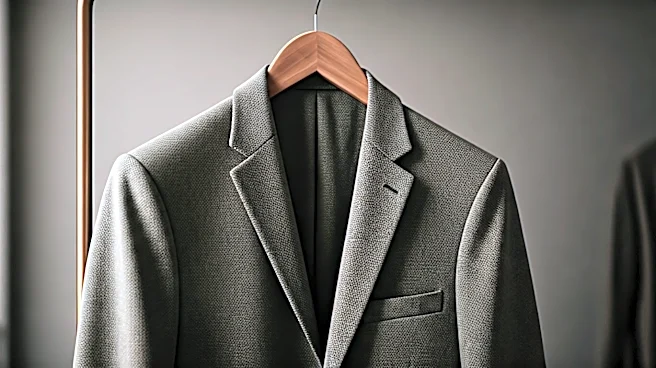
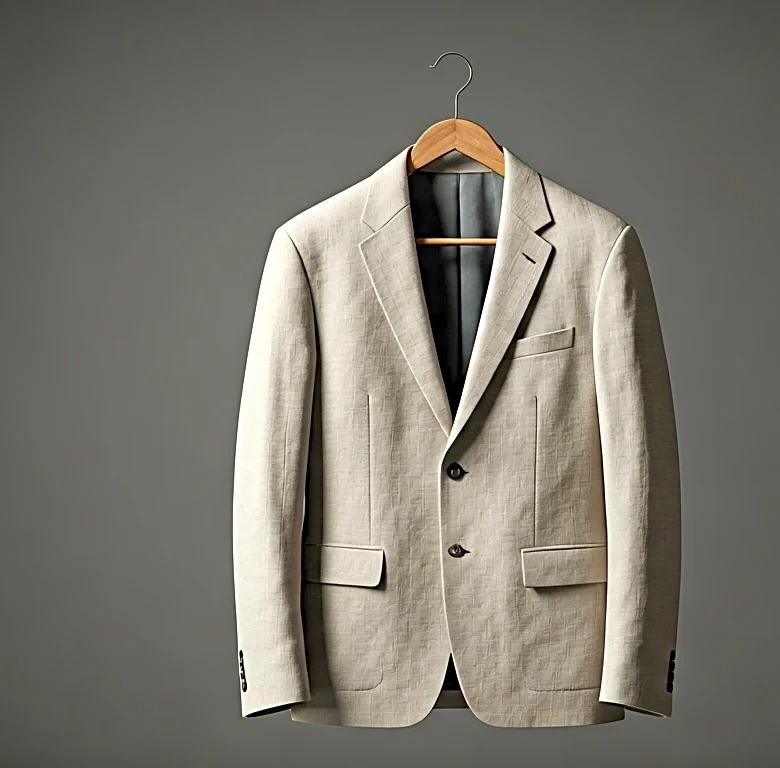
The most significant departure from the office suit is the shoulder. A traditional suit has a structured, padded shoulder to build up the wearer's frame. In contrast, the quintessential Italian jacket, particularly from Naples, often features what’s called *spalla camicia*, or “shirt shoulder.” This construction technique uses little to no padding. The sleeve is attached to the jacket body in a way that mimics how a shirt sleeve is set, allowing the fabric to follow the natural curve of your shoulder. The result is a clean, soft, and unpretentious line. It doesn't feel like you’re wearing a separate piece of architecture on your shoulders. It moves with you, feels lighter, and creates a silhouette that is relaxed yet impeccably tailored. This single detail is the cornerstone of looking put-together without looking stiff.
Unstructured and Unburdened
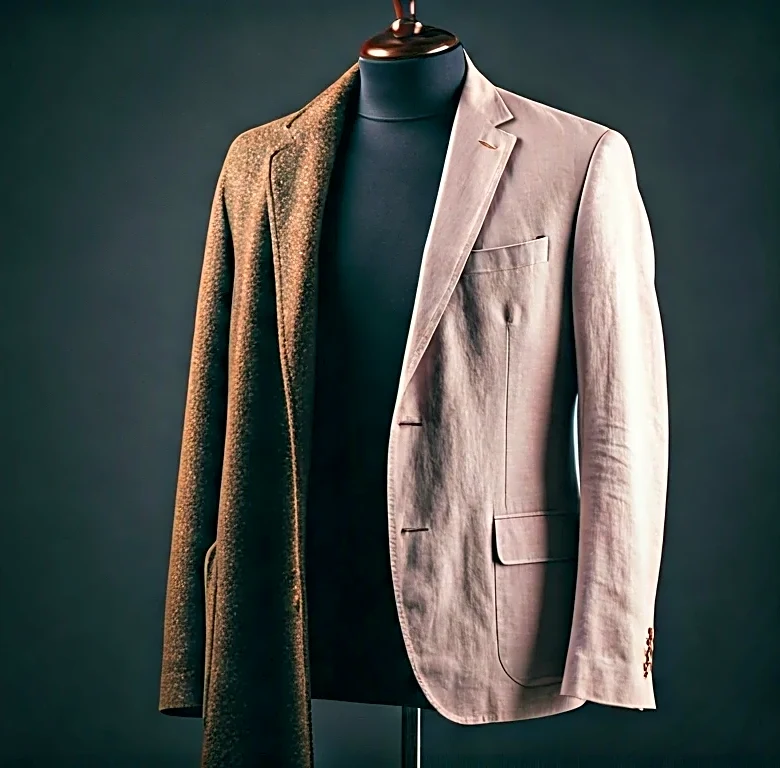
The softness extends beyond the shoulders. Many of these jackets are “unstructured” or “unlined.” A traditional blazer has multiple layers inside: a full canvas that gives the chest its shape, and a silk or Bemberg lining that helps it slide on easily. Soft-tailored jackets often do away with much of this. An unlined jacket has finished internal seams but no slick fabric barrier, making it incredibly breathable and light—perfect for warmer weather or simply for feeling less constricted. An unstructured jacket goes further, removing the internal canvas that gives a normal suit its rigid shape. The jacket behaves less like a coat and more like a heavy shirt or cardigan, draping and moving with a fluidity that a boardroom suit could never achieve. It molds to the wearer over time, developing a personal character.
Fabric with a Soul
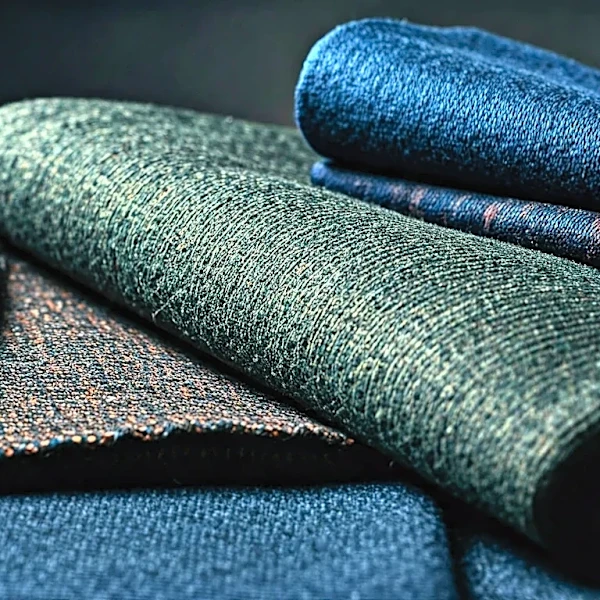
The choice of fabric is also crucial. While corporate suits often rely on smooth, high-shine worsted wools that resist wrinkling, the Pitti aesthetic embraces materials with texture and life. You’ll see jackets made from slubby linen, rumpled cotton, nubbly hopsack, and high-twist wools that have a dry, matte finish. These fabrics are chosen not just for their comfort but for their character. A slight wrinkle in a linen jacket isn’t a flaw; it's part of its charm, a sign that the garment is being worn and lived in. This embrace of imperfection is a core tenet of *sprezzatura*—the Italian art of studied carelessness. The goal is to look fantastic without looking like you spent hours trying to.
A Statement About Modern Style
So, why does all this matter? Because the shift towards softer tailoring reflects a broader cultural shift. As workplaces become more casual and the lines between our personal and professional lives blur, the need for rigid, formal “armor” has diminished. Men are looking for clothes that are versatile, comfortable, and expressive. A soft-shouldered jacket can be worn with tailored trousers, but it looks just as good with jeans or chinos. It’s an investment in a piece that adapts to your life, rather than forcing your life to adapt to a rigid dress code. It suggests confidence that comes from within, not from the padding in your shoulders. It’s a way of dressing that says you respect tradition but aren't bound by its stuffiest rules.