
The Uniform of a MySpace Generation
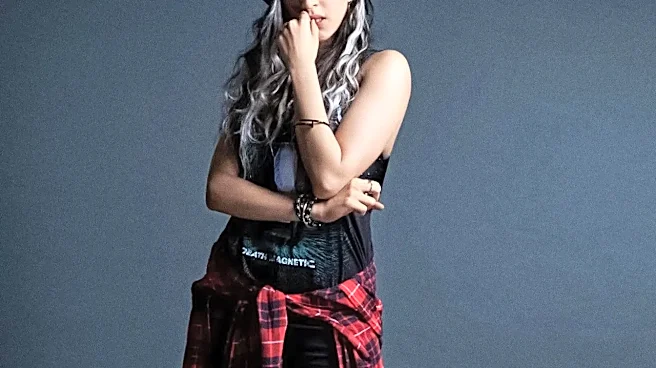
The quintessential emo look of the early-to-mid 2000s was a uniform of adolescent angst, broadcast to the world via blurry MySpace mirror selfies. The core components were unmistakable: jet-black hair straightened into submission, band T-shirts repping
groups like My Chemical Romance or Fall Out Boy, and the ever-present skinny jeans. But woven into this moody tapestry was a surprising amount of sportswear. The footwear of choice was almost universally a pair of beaten-up Converse or Vans, shoes with deep roots in basketball and skateboarding. Layering was also key, often involving a zip-up hoodie—a staple of athletic and casual wear—worn over multiple tees. This blend of form-fitting punk aesthetics and relaxed, functional sportswear created a unique silhouette that defined the era.
Borrowing from 70s and 80s Punk
To understand where emo style came from, you have to look back at its ancestors. The first and most obvious influence was 1970s and '80s punk rock. Emo, which began as "emotive hardcore," was a direct offshoot of the D.C. hardcore punk scene. While the earliest emo fashion was more clean-cut, the 2000s version cherry-picked punk's most iconic elements. The studded belts, the DIY ethos of personalizing clothing, and the allegiance to specific footwear all came from punk. Converse sneakers, for instance, were standard issue for punk bands like the Ramones decades before they were scribbled on with markers by a new generation of emotional kids. This borrowing wasn't just stylistic; it was a way of connecting to a legacy of anti-establishment sentiment and musical rebellion.
The Overhang of 90s Skate and Grunge
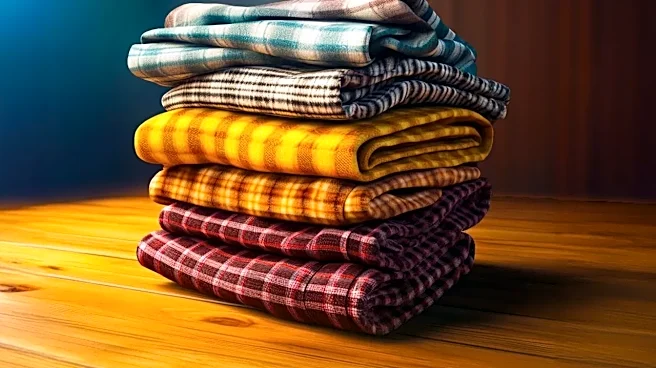
If punk provided the rebellious spirit, 90s subcultures provided the slouchy, comfortable sportswear that became central to the emo look. The influence of grunge and skate culture from the decade prior is impossible to overstate. The 90s were the era of baggy jeans, oversized hoodies, and a general anti-fashion stance that prioritized comfort and durability. Skateboarding, in particular, solidified the dominance of brands like Vans, DC, and other skate-specific shoe companies that were built to withstand punishment. As the 90s ended, this aesthetic was adopted and adapted by the burgeoning emo scene. While emo kids famously tightened up the baggy jeans into skinny jeans, they kept the footwear and the layering. The worn-in flannel shirt, a hallmark of grunge, also found its way into many emo wardrobes, typically worn open over a band tee.
A Deliberate Collage, Not a Copy
It would be a mistake to call 2000s emo fashion a simple copy of what came before. Instead, it was a conscious and creative remix. For a generation raised on the internet, identity was something you assembled. Kids pieced together their look from different eras and subcultures to create something that felt uniquely theirs. It was a bricolage of rebellion—taking the punk studs, the grunge layers, and the skate shoes and filtering them through a new lens of emotional vulnerability. This process was fueled by the accessibility of thrift stores, where the fashion of previous decades was readily available, and by the rise of social media like MySpace, which allowed these remixed styles to spread like wildfire outside of local scenes. Even as stores like Hot Topic began to commercialize the look, its core remained a pastiche of authentic youth movements.