





More Than Just a Piece of Cloth
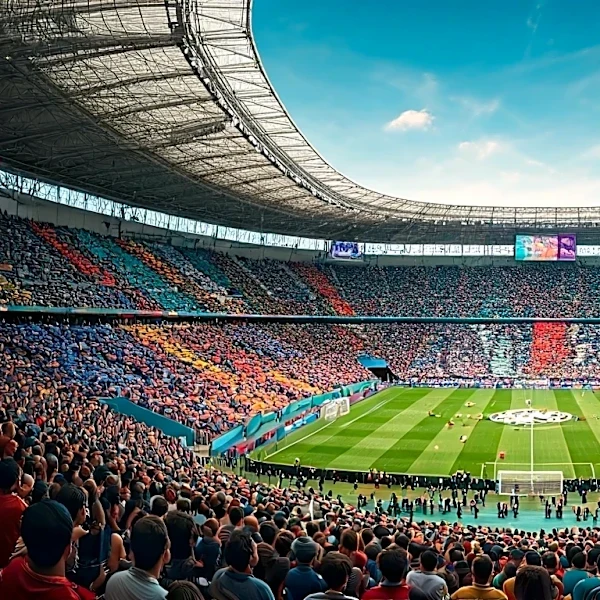
Before a single ball is kicked, the story begins with flags. In the stands, they transform thousands of individuals into a single, undulating sea of national colors. On the streets of cities from Buenos Aires to Berlin, they hang from windows and are draped over shoulders. A flag is the ultimate visual shorthand. It says “we” are here, and we belong to this. This isn't just patriotism; it’s a powerful dose of social identity theory in action. Humans are wired to seek out in-groups, and in the sprawling, often anonymous modern world, the World Cup provides a simple, beautiful solution. For 90 minutes, your identity is clear, your tribe is visible, and your allegiance is represented by a simple, powerful rectangle of fabric. This visual unity
creates an instant bond, turning strangers in a bar or a stadium into temporary family, all sharing in the same hopes and, often, the same heartbreaks.
Wearing Your Allegiance
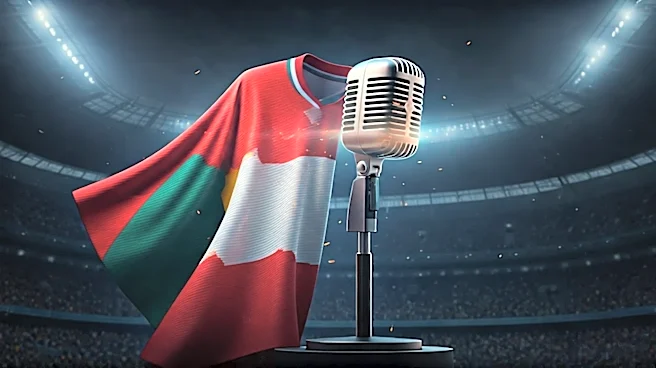
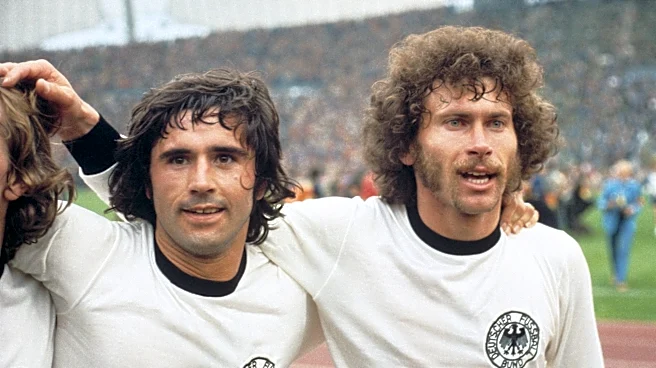
If a flag is the symbol of the nation, the jersey is the armor of the fan. Pulling on your team’s jersey is a ritual. It's a deliberate act of transformation, turning you from a passive observer into an active participant. You are no longer just watching the team; you are, in a symbolic sense, *on* the team. Each jersey carries with it the ghosts of tournaments past—the triumph of a ‘98 Zidane France kit, the vibrant tragedy of a ‘94 Baggio Italy shirt. Designers know this, pouring history and national motifs into each new release. These aren't just athletic garments; they are billion-dollar canvases for cultural storytelling. When you see a sea of canary yellow, you know Brazil is playing. That specific shade of orange means the Dutch have arrived. The jersey bridges the gap between the superhuman athletes on the field and the everyday fans in the stands. It’s a uniform for a civilian army of supporters, a declaration that their passion is an essential part of the contest.
The Soundtrack of Shared Emotion
Close your eyes during a World Cup match and listen. You'll hear the formal solemnity of national anthems, a moment where players and fans connect in a shared, official pledge of identity. But you’ll also hear the unofficial soundtrack: the chants, the drumming, and the pop songs that become forever linked to a specific tournament. Think of Shakira’s “Waka Waka” for South Africa 2010 or K'naan's “Wavin' Flag.” These songs transcend language and borders, becoming global campfire songs for a month. They tap directly into emotion, bypassing our rational minds to create moments of pure, collective euphoria. An entire stadium singing in unison—whether it’s a complex, decades-old chant or a simple, roaring crescendo after a goal—is one of the most powerful bonding experiences in human culture. Music synchronizes heartbeats and moods, weaving individual emotions into a collective tapestry of hope, joy, and despair. It’s the final layer, the auditory glue that holds the entire spectacle together.
The Unified Spectacle
Ultimately, none of these elements works in isolation. The power of the World Cup comes from their synthesis. A flag is just cloth, a jersey is just a shirt, and a song is just noise until they are activated by the context of the tournament. It’s the fan, face painted with the colors of their flag, wearing the jersey of their hero, singing a song of hope with 50,000 other people, that creates the magic. This is modern ritual on a global scale. It provides a temporary, high-stakes narrative that makes people feel part of something larger than their own lives. For one month, the world agrees to care deeply about the same story, using these simple, powerful symbols to write their own part in it. The game on the field provides the plot, but the flags, jerseys, and songs provide the soul.