




The Spotlight You Never Noticed
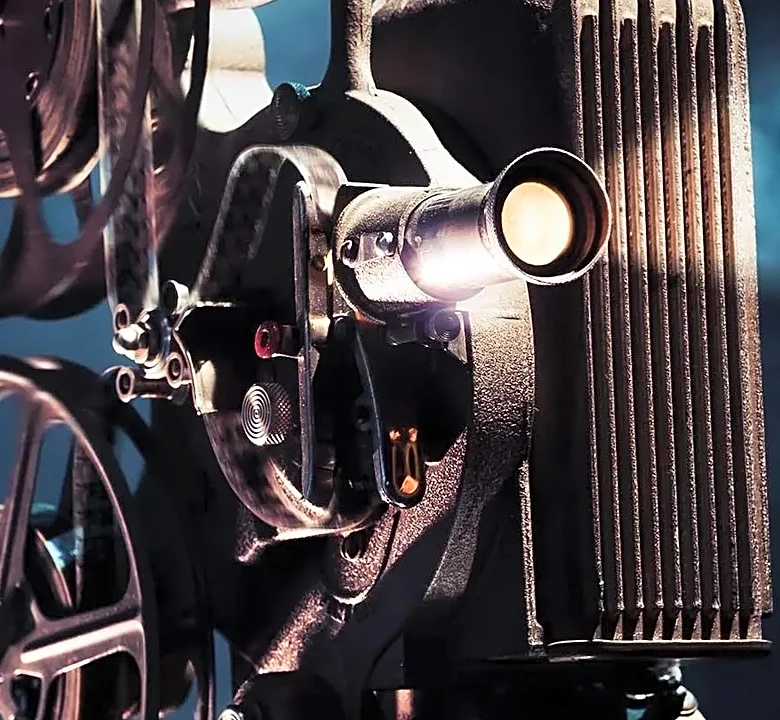
A cinematographer’s job is to paint with light and shadow, guiding your eye and manipulating your emotions without you ever consciously realizing it. When a show wins an Emmy for Outstanding Cinematography, it’s an invitation to re-watch a key scene with the
lights on, so to speak. Suddenly, you see it: the way a sliver of light from a window isolates a character, making them seem vulnerable, or how the slow, creeping shadows in a thriller build a sense of dread long before the monster appears. That oppressive tension you felt wasn't just the actor's performance; it was the deliberate, award-winning choice to drain the color from the room or frame the hero in a sea of darkness, making their eventual triumph feel that much brighter.
The Sound of a Feeling
Close your eyes during a pivotal television moment. What do you hear? It’s rarely just dialogue. An Emmy for Outstanding Sound Editing or Sound Mixing rewards the artists who build the invisible architecture of a scene. Think about the last prestige drama you watched. Was there a tense negotiation? The subtle clink of a glass, the barely audible hum of a fluorescent light, the specific texture of footsteps on gravel—these aren't accidental. Sound designers layer dozens of audio tracks to create a reality that feels more real than reality itself. A win for sound might highlight a scene where the sudden absence of sound—a dramatic, breathtaking silence before a confession—is what truly sells the emotional punch. It teaches you to listen for the story being told when no one is speaking.
Building Worlds in a Single Room
Production designers are the world-builders of television, and an Emmy for their work is a recognition that a setting is never just a backdrop. It’s an active participant in the story. A win for Outstanding Production Design can make you re-examine a character's apartment, which you previously ignored. Now you see that the peeling wallpaper isn't just set dressing; it’s a physical manifestation of the character’s decaying mental state. The meticulously curated bookshelf in a lawyer's office isn't just for show; the titles hint at their intellectual inspirations and moral blind spots. The Creative Arts Emmys celebrate these details, revealing that the spaces our favorite characters inhabit are as richly drawn and intentional as the characters themselves.
The Invisible Art of the Cut
Picture editing is arguably the most powerful invisible art in television. An Emmy in this category honors the rhythm, pace, and flow of a scene. The same exact footage can be made to feel frantic and chaotic or slow and romantic, all depending on the editor's choices. When an editor wins, it’s often for a sequence that feels seamless, but is actually a complex dance of hundreds of cuts. Think of a chase scene: the rapid cuts between the pursuer, the pursued, the obstacles, and the ticking clock are what create your heart-pounding anxiety. Or consider a dialogue-heavy scene where the editor’s decision on whose face to show for a reaction—who is listening, not just who is talking—defines the entire power dynamic. An editing win pulls back the curtain, showing you that the very rhythm of your heartbeat during a scene was being conducted by an artist you never saw.