


First, What Is a Butterfly Cut?
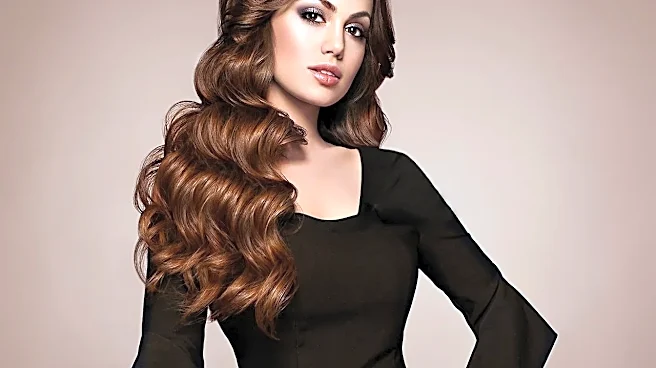
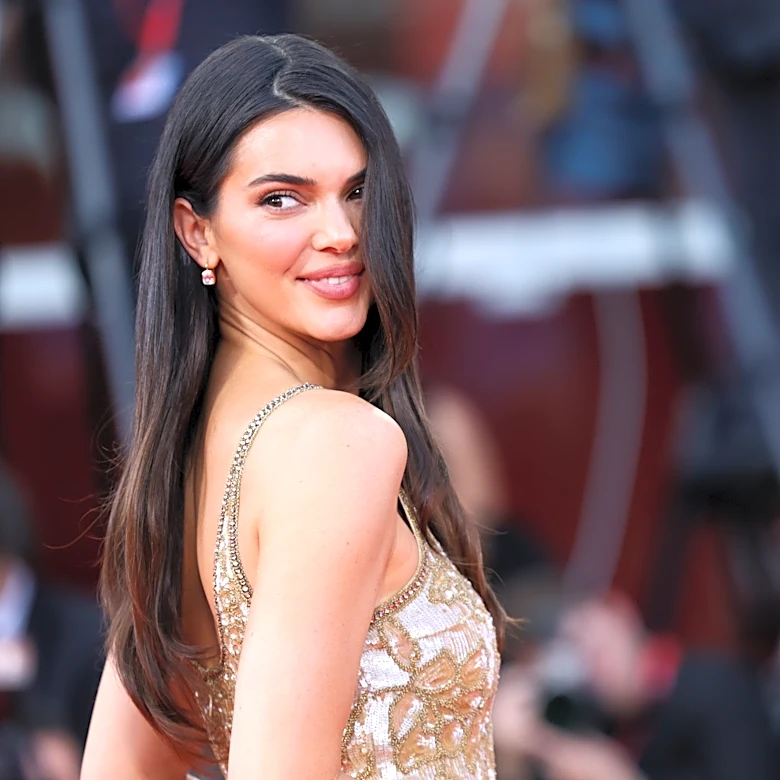
At its core, the butterfly haircut is a strategic, heavily layered style that creates the illusion of two cuts in one. It features shorter, face-framing layers on top—often starting around the chin or cheekbones—that mimic the shape of a shorter haircut.
These sit above longer, preserved layers in the back. The name comes from this dual effect; the shorter layers are like butterfly wings, providing lift and movement, while the longer layers maintain your overall length. It’s a modern nod to the feathery, high-volume looks of the '70s and the bouncy supermodel hair of the '90s, all rolled into one wearable style.
The 'Done Right' Difference: Seamless Blending
The single biggest difference between a perfect butterfly cut and a salon mishap is the blending. When done right, the layers are soft, feathery, and seamlessly connected. There should be no harsh lines or obvious “shelves” where one layer ends and the next begins. The goal is to create fluid movement and volume, not a choppy, disconnected look that can resemble a mullet if not executed properly. A skilled stylist will cut the layers strategically to ensure they flow together, creating a soft, cohesive shape that looks just as good air-dried as it does with a full blowout. If you simply ask for “lots of layers,” you risk getting a generic cut; the key is asking for long, rounded, and well-blended layers.
It's All About the Face Frame
A successful butterfly cut lives and dies by its face-framing layers. These shorter pieces are the “wings” of the cut and are designed to contour and flatter your facial features. When done correctly, they act like a built-in curtain bang that sweeps away from the face, drawing attention to the cheekbones and jawline. The starting point of these layers can be customized; shorter layers that begin at the cheekbones can help elongate a rounder face, while longer layers starting at the chin can soften a square jawline. This intentional framing is what gives the cut its signature bouncy, open look, preventing it from just falling flat.
Does It Work for All Hair Types?
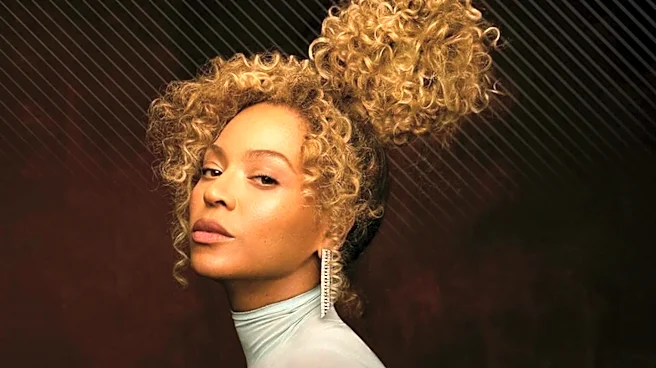
The butterfly cut is surprisingly versatile, but it shines on certain hair types. It’s ideal for those with medium to long hair, as length is needed to create the distinct separation between the short and long layers. It’s a game-changer for thick or heavy hair, as the layering removes bulk and adds movement without sacrificing fullness. For those with fine or thin hair, the cut can create the illusion of volume and body, especially at the crown. However, a stylist needs to be careful not to over-layer, which can make fine hair look wispy. The style also works beautifully on straight and wavy textures. For curly hair, a butterfly cut can remove weight to help curls spring up and take shape, but it requires a stylist experienced with cutting layers into curls to avoid disrupting the pattern.
Styling: Making the Wings 'Flutter'
While a great cut is the foundation, styling is what truly brings the butterfly to life. The signature look requires volume and that classic outward flick. The most common method involves a blow dryer and a large round brush to lift the roots and curve the ends away from the face. Using a volumizing mousse or root-lifting spray before you dry can enhance the effect. For a lower-effort approach, hot rollers or a large-barrel curling iron can achieve a similar bouncy finish. Even a sleek, straight style can showcase the cut's structure, offering a different but equally chic vibe. The key is to direct the ends of the layers outward to create that fluttery, wing-like movement.