





The Illusion of Effortless Fabric
That seemingly basic cotton or silk on a runway piece is rarely off-the-shelf. Luxury houses and minimalist-focused brands like The Row are obsessive about materials, often developing fabrics exclusively with renowned mills in Italy, France, or Japan.
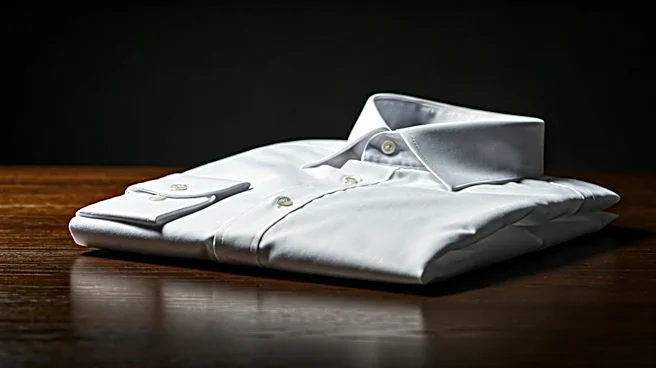
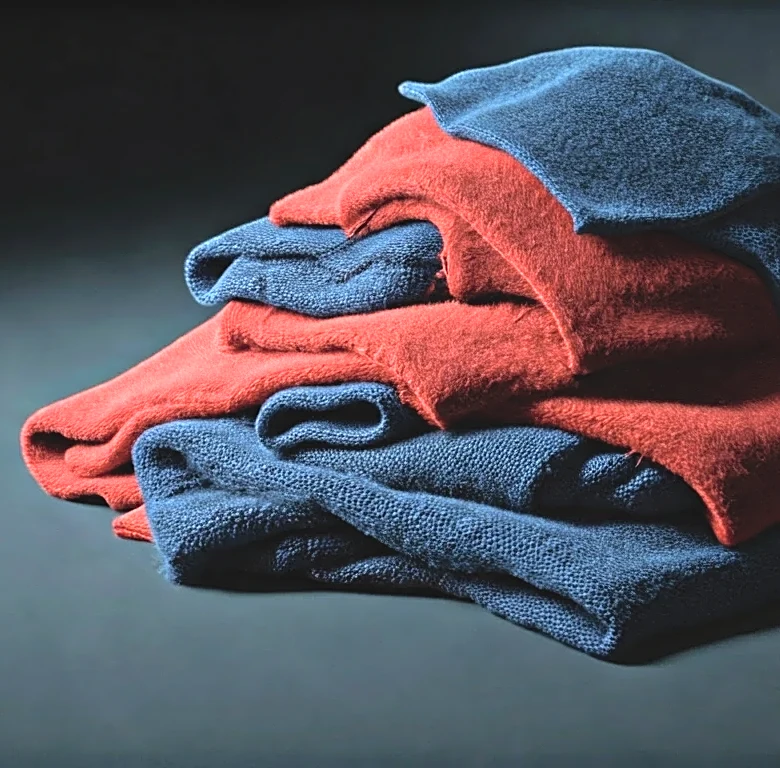
[1, 14] This process goes far beyond just choosing a color. Designers specify the exact weight, texture, and drape they need to achieve a specific silhouette. [15] They might blend natural fibers with high-tech synthetics for better wrinkle resistance or create unique weaving techniques for a specific texture. [4] These textiles undergo numerous finishing processes—like calendering for smoothness or napping for softness—that transform raw material into a fabric with a specific hand-feel and character. [17, 16] So, that “simple” shirt isn’t just made of cotton; it’s made of a very specific, engineered-for-purpose cotton that might not exist anywhere else. [9]
The Geometry of a Perfect Cut
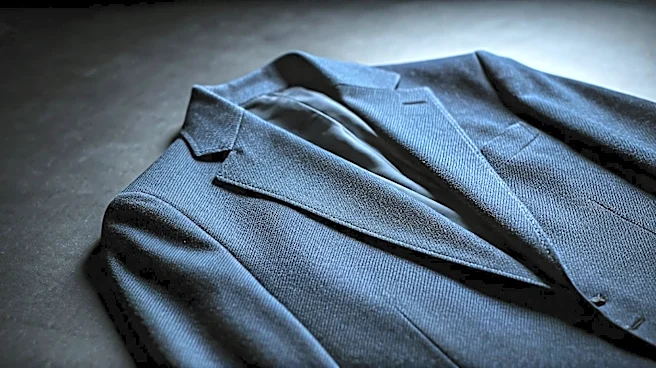
In minimalist design, there’s nowhere for poor construction to hide. [7] The perfection of a simple garment lies in its cut—an almost architectural endeavor. Creating a pattern for a t-shirt that falls just so, or a coat that hangs with intentional volume, is an art form rooted in geometry and countless prototypes. [18, 6] Master pattern makers and designers use a technique called draping, or *moulage*, where they manipulate fabric directly on a dress form to see how it will behave in three dimensions. [10, 13] This intuitive process allows them to perfect the silhouette, moving darts and seams to create the ideal shape before a paper pattern is ever made. [6, 12] For a brand like The Row, which was born from the quest for the perfect t-shirt, this obsession with proportion and fit is the entire foundation. [1, 18] The seams on an oversized coat are placed with precision so the garment falls correctly, and a sweater is patterned to stay in place with every movement. [18]
Invisible, Indispensable Construction
The true luxury of a simple designer garment is often found on the inside. While a fast-fashion item is built for speed, a high-fashion piece is built for longevity and feel. This involves couture sewing techniques that are largely invisible to the outside observer but crucial to the garment's structure and finish. [22] Seams might be hand-finished or bound in silk. [21] A process called underlining, where a lightweight fabric is sewn to each piece of the fashion fabric before the garment is assembled, provides structure and prevents stretching without the stiffness of cheap fusibles. [19] Zippers are often “hand-picked,” a couture method that creates a nearly invisible, durable insertion. [11] Even the thread is of superior quality. [2] These details ensure the garment not only looks better but feels better against the skin and maintains its shape over years of wear, justifying its status as an investment piece. [1]
The Concept Behind the Clothes
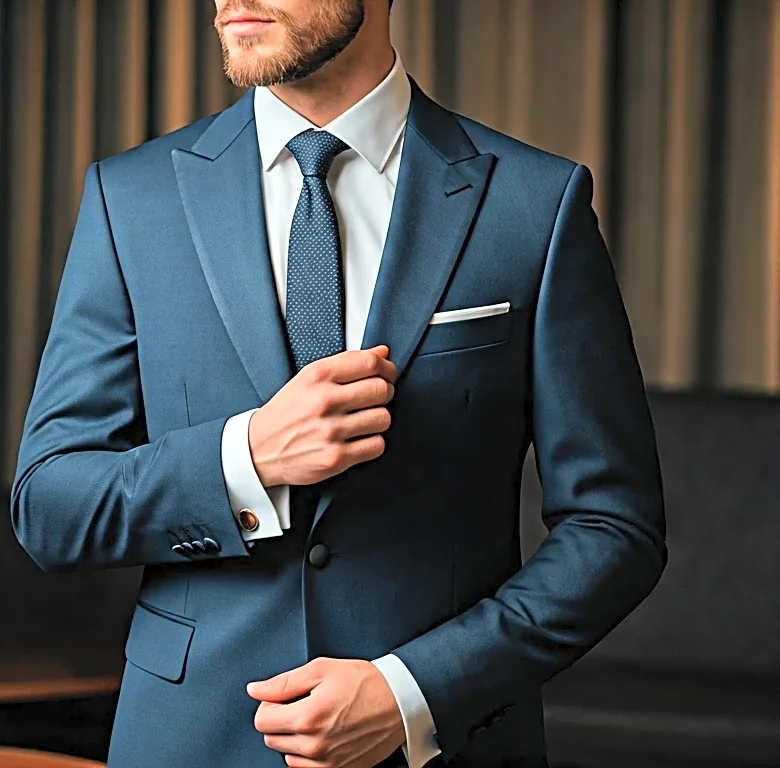
Finally, when you buy a simple designer piece, you’re not just buying the fabric and labor—you’re buying into a concept. [18] Minimalism in fashion is a philosophy that prioritizes clarity, purpose, and enduring design over fleeting trends. [26, 30] For designers like Jil Sander, Calvin Klein, or the Olsen twins of The Row, a simple garment is the purest expression of a broader artistic vision. [29, 27] It’s an exercise in restraint, where elegance is conveyed through impeccable form and material rather than embellishment. [15] The simplicity is the point. By stripping away the unnecessary, the focus shifts entirely to quality, cut, and the way the garment makes you feel. [25, 28] It is a deliberate reaction against the noise of overconsumption, offering a form of “quiet luxury” where the value is understood by those who appreciate the immense effort required to achieve such powerful simplicity. [3, 5, 8]