







The LeBron Effect: A City and a League Remade
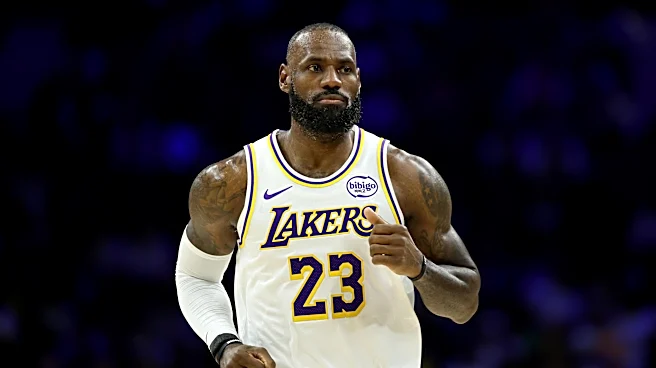
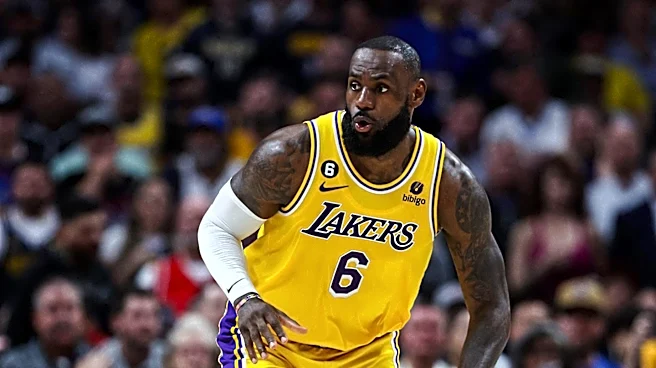
When LeBron James, a native of nearby Akron, returned to the Cleveland Cavaliers in 2014, the impact was immediate and profound. Economists estimated his presence could inject up to $500 million into the local economy annually. Restaurants and bars near the arena
saw employment jump, and downtown businesses thrived on the influx of fans and media. Season tickets sold out in hours, with resale prices skyrocketing. But LeBron's impact wasn't just financial. His first departure in 2010 and subsequent success in Miami helped usher in the NBA's "player empowerment" era, where superstars began forming "superteams" by strategically joining forces in free agency. He created a blueprint not just for on-court dominance, but for how an athlete could wield their influence to control their own destiny and fundamentally alter the league's competitive landscape.
The Beckham Precedent: Paving the Way for a Soccer Revolution
Before there was Messi, there was Beckham. When David Beckham joined the LA Galaxy in 2007, Major League Soccer was a fledgling league struggling for relevance in the crowded American sports market. His arrival was a cataclysmic event. To accommodate his salary, which dwarfed the league's entire payroll, MLS created the "Designated Player Rule"—colloquially known as the "Beckham Rule." This structural change allowed teams to sign stars outside the salary cap, a mechanism that would later bring dozens of other global talents to America. Attendance surged, TV deals expanded to nearly 190 countries, and the LA Galaxy became a globally recognized brand. Beckham didn't just sell tickets; he provided the league with a legitimacy and global profile it had never known, setting the stage for its modern growth and the eventual arrival of even bigger names.
The Messi Phenomenon: An Overnight Transformation
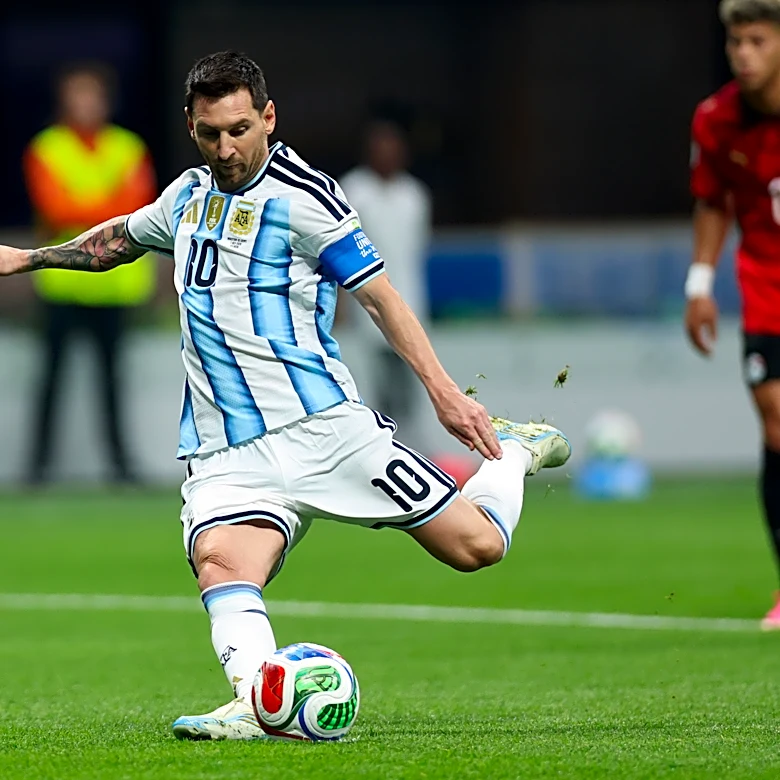
Lionel Messi's arrival at Inter Miami in 2023 was perhaps the most explosive example of the superstar effect in modern history. The impact was instantaneous and almost comically immense. Inter Miami's Instagram followers surged from one million to over 14 million. Ticket prices on resale markets jumped by over 1,000%. Subscriptions to Apple TV's MLS Season Pass soared, with Messi reportedly receiving a cut of the new revenue. His pink No. 10 jersey became the best-selling jersey across all sports. Beyond the numbers, Messi’s presence immediately elevated the league's status, attracting new fans and convincing other world-class players that MLS was a credible destination. Inter Miami's valuation has since skyrocketed, with the club becoming the most valuable franchise in MLS, demonstrating how one player can fundamentally alter the financial reality of an entire organization.
Ronaldo and the New Frontier: Sports as Geopolitical Influence
Cristiano Ronaldo's move to Al-Nassr in Saudi Arabia in 2022 represented a different, but equally powerful, iteration of the superstar effect. This wasn't just about transforming a club; it was about transforming a nation's perception through sports. Ronaldo's arrival served as a statement of intent for the Saudi Pro League, instantly lending it credibility and attracting a wave of other high-profile players. The club’s social media following exploded from around 5 million to over 57 million. The move was a key part of Saudi Arabia's Vision 2030, a plan to diversify its economy and enhance its global image. Ronaldo became a de facto ambassador, his presence generating massive international media attention and driving tourism. It showcased a new model where an aging superstar can be deployed not just for their on-field talent, but as a powerful tool of soft power and nation-branding on the global stage.