







From Barracks to Bloggers
What exactly are we talking about? It’s not just any old olive drab jacket. The current obsession centers on specific, iconic pieces of military surplus. Think of the U.S. Army’s M-65 field jacket, with its four cavernous front pockets and stowaway hood.
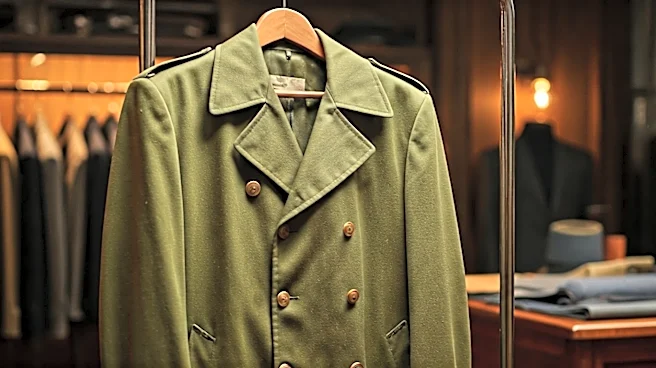
Or the British trench coat, originally designed for officers in the trenches of World War I. You’ll also spot the U.S. Navy’s dark wool pea coat, a design so perfect it has barely changed in over a century, and the shearling-collared N-1 Deck Jacket, built to withstand brutal sea winds. These aren't reproductions; they're often genuine, decades-old articles, sourced from vintage shops and surplus stores. Their sudden prevalence on fashion editors, models off-duty, and industry insiders signals a shift away from fleeting trends toward something more permanent and authentic.
Designed for Duty, Not Dior
To understand their appeal, you have to go back to their purpose. These coats were never designed to be fashionable. They were engineered for survival. Every stitch, pocket, and fabric choice was a solution to a problem. The M-65’s pockets were placed for easy access to ammunition and maps. The trench coat’s gabardine fabric was revolutionary for its water-resistance. The dense wool of a pea coat was meant to block gale-force winds and sea spray. This function-first design philosophy resulted in garments that were durable, practical, and devoid of any unnecessary ornamentation. They possess an inherent honesty that’s hard to replicate. In a world of fast fashion, where clothes are designed to be replaced, a 50-year-old coat that still looks and performs perfectly is the ultimate statement of quality.
The Counter-Culture Co-Sign
The journey from battlefield to fashion runway wasn't direct. It took a detour through counter-culture. After World War II and especially after Vietnam, military surplus flooded American markets. It was cheap, tough, and readily available. Veterans wore their old field jackets, but so did students, artists, and activists who imbued the garments with new meaning. The military coat became a canvas for political protest and personal expression. Robert De Niro’s Travis Bickle in *Taxi Driver* cemented the M-65 as a symbol of urban alienation and anti-hero cool. Punks and mods in the UK adopted parkas and bomber jackets. This history added a crucial layer of cultural significance. Wearing one wasn't just about utility anymore; it was about aligning yourself with a legacy of rebellion, grit, and authenticity.
The Runway Re-Enlistment
So why the resurgence now, at the highest levels of fashion? It’s a perfect storm. Firstly, there’s the powerful appeal of sustainability. Wearing a vintage military coat is the opposite of disposable fashion; it’s a form of upcycling. Secondly, designers are drawn to the built-in story and masculinity these pieces project. They provide a rugged, authentic counterpoint to more delicate or experimental runway looks. A weathered M-65 thrown over a silk shirt or tailored trousers creates a compelling high-low contrast that feels modern and effortlessly stylish. Finally, in an era of digital saturation, these physical artifacts from the past feel real and grounded. They connect the wearer to a tangible history, offering a sense of substance that a brand-new, mass-produced item simply cannot. They are, in a sense, the ultimate anti-trend trend.