




The Art of the Raw Material
The story of an Italian knit begins long before a single thread is spun. While the finest cashmere fibers often come from goats in Mongolia, Italian mills are famously obsessive about selection. They don't just buy cashmere; they source specific fibers,
prioritizing length and fineness. Longer fibers (over 36mm) are crucial because they create a stronger yarn that is significantly more resistant to pilling, that annoying fuzz that plagues lesser-quality sweaters. This meticulous sourcing ensures the foundation of the garment is built for longevity and a softness that actually improves with age. It's a level of scrutiny that treats the raw material not as a commodity, but as the first crucial step in an art form.
The Secrets of the Spin and Stitch
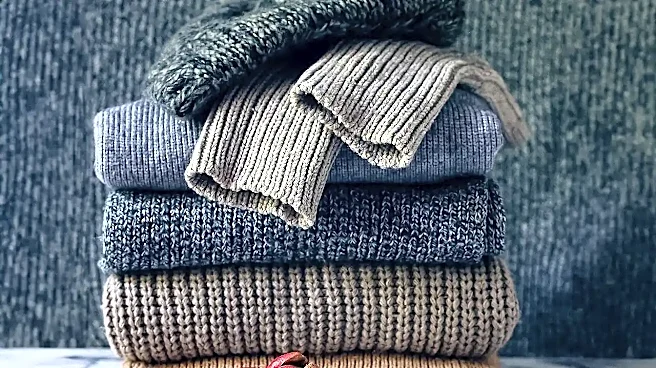
Once the perfect fibers are selected, the next magic happens in how they’re spun into yarn. Italian spinners often use slow, low-tension techniques that preserve the fiber’s natural elasticity and softness. Instead of rushing the process, they create yarns that are dense and stable. This leads to an interesting paradox: the highest quality Italian knits often feel less fluffy and more substantial at first touch. That density is a sign of structural integrity. Tightly knit stitches ensure the garment holds its shape, resisting the sagging at the elbows or hem that can ruin a sweater after just a few wears. Many garments are also “fully fashioned,” meaning each piece is knitted to shape and then meticulously linked together, a far superior method to the common “cut and sew” technique which can create bulky, less durable seams.
Water, Terroir, and Finishing Touches
Some of the most vital steps happen after the knitting is done. This is the “finissaggio,” or finishing, and it’s where much of the alchemy lies. In regions like Biella, the longtime heart of Italy's wool industry, the water itself is a prized ingredient. Sourced from the Alps, the water is naturally soft and low in minerals, making it perfect for washing and treating delicate fibers without damaging them. This unique water enhances a process called “fulling,” a controlled washing that gives the knitwear its final softness and prevents future shrinkage. Another remarkable technique involves using teasels—the dried, spiky heads of a thistle-like plant—to gently brush the fabric. This natural tool raises the nap of the fibers, creating an incredibly soft, almost fur-like surface that metal brushes can’t replicate without risking damage.
A Deep Culture of Craftsmanship
Ultimately, the difference you feel is rooted in culture. The Italian textile industry is dominated by specialized districts and family-run businesses that have passed down skills for generations. From Biella for fine wools to Como for silk, these areas foster an environment where craftsmanship is revered. This is the opposite of fast fashion; it’s a commitment to creating something that will last for decades, not just a season. It's born from a cultural principle of “la bella figura” (making a beautiful impression), where quality is an end in itself. This heritage, combined with a constant drive for innovation, allows artisans to blend age-old techniques with modern technology, creating knitwear that is both timeless and perfectly engineered. Each sweater is the result of dozens of hands and hundreds of years of collective knowledge.