




The Roar of the Present
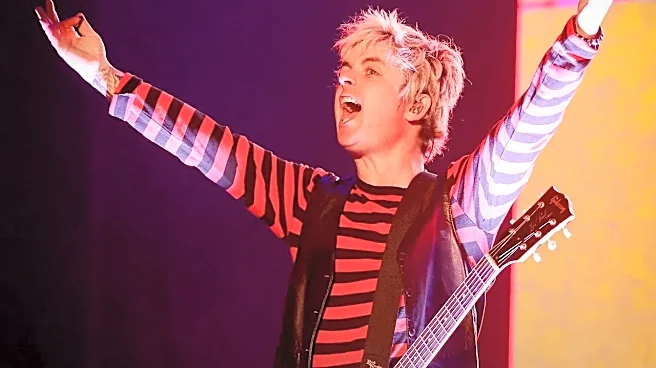
On a massive stage, dwarfed by video screens but overflowing with energy, Billie Joe Armstrong, Mike Dirnt, and Tré Cool are masters of their domain. Decades after their formation, they command festival fields with an ease that borders on psychic. The
setlists are a mix of sprawling rock anthems and tightly-coiled punk classics. When they launch into a song like "American Idiot," the connection is electric and immediate. It’s a shared language for a generation, a stadium-sized exorcism of political frustration. But the true magic isn't just in the blockbuster hits; it’s in the DNA that connects these massive moments back to a handful of sweaty, teenage nights in the East Bay punk scene. These moments are a testament to the band's ability to make sprawling, anonymous fields feel as intimate as a packed club.
Echoes From a Berkeley Basement
To understand Green Day's festival presence, you have to go back to 924 Gilman Street. This non-profit, all-ages, DIY venue in Berkeley was the crucible where the band, then called Sweet Children, found its voice. It was a scene built on inclusion, creativity, and a fierce independence from the corporate music world. For a band to sign with a major label was the ultimate transgression, a rule Green Day famously broke with the release of "Dookie" in 1994, leading to a temporary ban from the club that raised them. The Gilman scene, which also nurtured bands like Operation Ivy and Rancid, wasn't about rock star posturing; it was about community, social awareness, and finding a family of fellow outcasts. That ethos is the bedrock of everything Green Day would become.
From Local Punks to Global Icons
The band’s first albums, recorded for the independent label Lookout! Records, were snapshots of teenage life in the East Bay suburbs of Pinole, Rodeo, and Berkeley. Songs were about boredom, anxiety, and the defiant joy of finding your own pocket of the world. A track like "Welcome to Paradise" wasn't an abstract concept; it was a literal account of Billie Joe Armstrong and Mike Dirnt moving into a derelict warehouse squat in West Oakland. Armstrong has described it as a dangerous area full of artists, musicians, and junkies, a place you wouldn't walk at night but that felt like home. The genius of Green Day was their ability to take these highly specific, localized experiences and write about them with such melodic fury and emotional honesty that they became universal anthems for disaffected youth everywhere. The cracked streets of Oakland became a symbol for any kid's dead-end town.
Weaving History Into the Setlist
When Green Day plays "Welcome to Paradise" at a festival today, the context is layered with decades of history. The call and response with the crowd—tens of thousands of people singing about a grimy Oakland warehouse—is the core of the band’s alchemy. They are not just playing a song; they are leading a communal retelling of their own origin story. The same happens when they play a cover of Operation Ivy’s “Knowledge,” a direct nod to their Gilman roots, often inviting a fan on stage to play guitar. These are not empty nostalgic gestures. They are deliberate choices to ground their massive success in the values of the scene that created them. It’s a way of telling the audience, whether they are in Chicago or Paris, that for two hours, they are all part of the same East Bay punk collective, a part of a history that feels both deeply personal and universally accessible.