



The Secret Step: Applying Products to Damp Skin
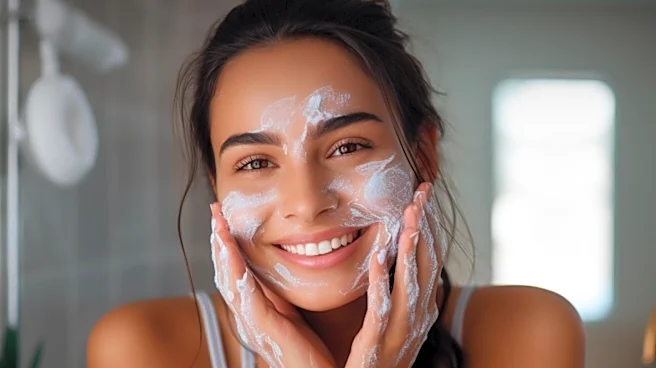
The single most impactful change you can make to your skincare routine in a dry climate is surprisingly simple: apply your products to damp skin. Instead of patting your face completely dry after cleansing, leave it slightly damp and immediately apply your serums
and moisturizers. This technique, often called "moisture sandwiching" or simply damp-skin application, is a fundamental tip dermatologists consistently recommend. Why is it so often overlooked? It's a method, not a product, and requires changing a lifelong habit of drying off completely before moving to the next step. But this small adjustment in timing can make a world of difference in how your skin retains precious moisture in an arid environment.
The Science Behind It: Trapping Water Where It Belongs
To understand why this works, think of your skin like a sponge. A dry, crusty sponge can't absorb much of anything. But a slightly damp sponge readily soaks up whatever you put on it. Similarly, when your skin is damp, it’s more receptive to the products you apply. More importantly, applying a moisturizer to damp skin helps lock in the water that's already on the surface. Moisturizers work in two main ways: by adding hydration (humectants) and by preventing water from escaping (occlusives). When you apply an occlusive-rich cream to damp skin, you create a protective barrier that seals in that surface-level water, preventing it from evaporating into the dry air—a process known as transepidermal water loss (TEWL). In low-humidity climates, where the air actively pulls moisture from your skin, minimizing TEWL is the primary goal.
How to Master the Damp Skin Method
Integrating this into your routine is straightforward. The key is to act quickly after cleansing. The window of opportunity is within about one to two minutes after washing your face or stepping out of the shower. Gently pat your skin with a towel, but don't rub it completely dry. Your skin should feel dewy and cool to the touch, not sopping wet. Immediately apply your products in the standard order, from thinnest to thickest. This usually means starting with a hydrating toner or essence (another great, often- overlooked step for dry climates), followed by a serum, and then sealing everything in with your moisturizer. If you wait too long, the water on your skin's surface will start to evaporate, and you'll miss the opportunity to lock it in.
Choosing Products That Work Synergistically
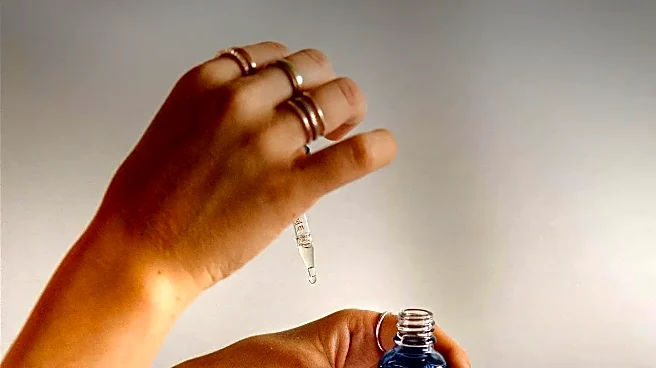
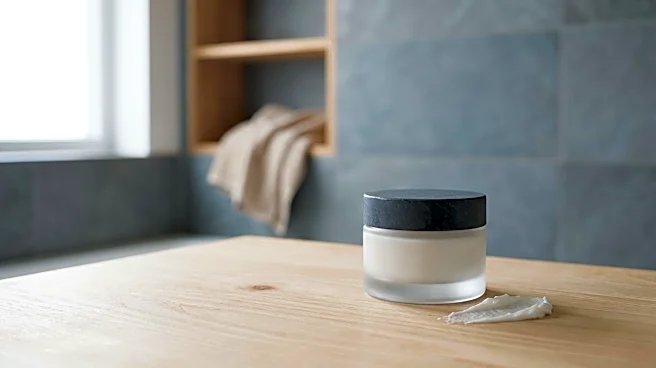
This technique enhances the effectiveness of certain ingredients. For serums, look for humectants like hyaluronic acid and glycerin. These ingredients act like magnets, drawing water into the skin. When applied to a damp face, they have an immediate source of water to bind to. For your final moisturizing step, choose a cream rich in emollients and occlusives. Emollients soften the skin, while occlusives form that all-important seal. Ingredients like ceramides, shea butter, squalane, and even petrolatum are excellent choices for a dry-climate moisturizer. The combination of a humectant serum on damp skin followed by an occlusive cream is the ultimate defense against arid air.
Don't Forget Your Body
The same principle applies from head to toe. The skin on your body is just as susceptible to the drying effects of a low-humidity environment. After a shower, resist the urge to towel off completely. While your skin is still damp, apply a rich body cream or ointment to lock in hydration. Pay special attention to notoriously dry areas like elbows, knees, and heels. Using gentle, non-foaming cleansers and avoiding long, hot showers will also help preserve your skin's natural oils, giving your moisturizer a better foundation to work with. This simple post-shower habit can transform uncomfortable, itchy body skin into a smooth, hydrated barrier against the elements.