




It’s the classic seasonal dilemma: you leave the house shivering in the morning chill only to find yourself sweating by midafternoon. Solving this style puzzle doesn’t require a total wardrobe overhaul, just a strategic approach.
The Golden Rule: It’s All About Layers
The single most effective
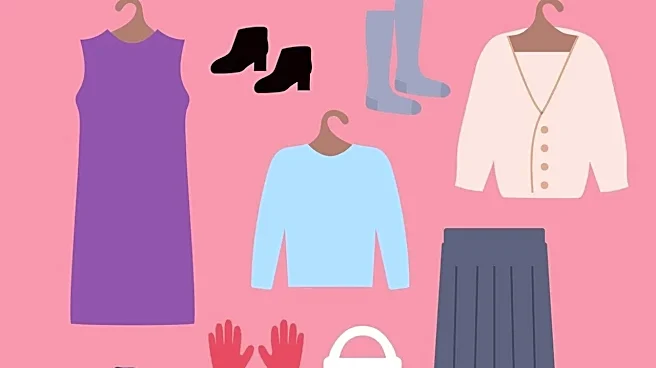
strategy for handling a wide temperature swing is layering. But this isn't just about piling on clothes. The goal is to wear several lightweight, independent pieces that can be easily removed or added as the day changes. Think of your outfit in three parts: a base layer that you'd be comfortable wearing on its own in the afternoon heat, a versatile middle layer for warmth, and a protective outer layer for the morning chill. Each piece should be something you can shed without a second thought, and ideally, something that's not a burden to carry. A bulky winter parka is the enemy here; thin, adaptable pieces are your best friends.
Start with a Smart, Breathable Base
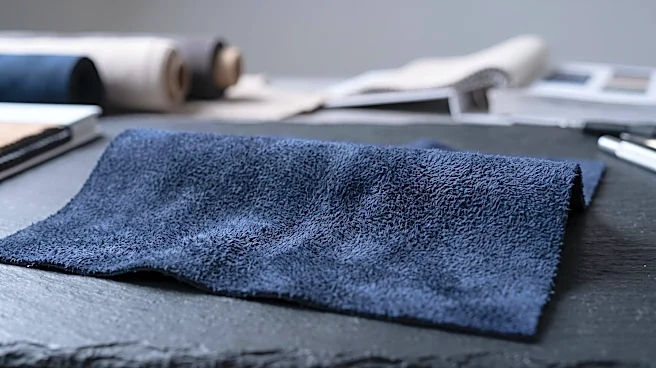
The foundation of your outfit is the part you'll be left with when the sun is at its peak. This base layer should be made from a breathable fabric to keep you comfortable. Natural fibers like cotton, linen, and lightweight merino wool are excellent choices. Cotton is soft and widely available, making it a reliable option for a basic tee or long-sleeve shirt. Merino wool is a true performance fabric; it regulates body temperature, wicks moisture away from the skin, and resists odor, making it perfect for a day with fluctuating conditions. Your base layer could be a simple t-shirt, a fitted long-sleeve top, or even a lightweight dress that can stand on its own. The key is to choose something you'd be happy wearing by itself in the afternoon.
The Magic of the Mid-Layer
This is your workhorse piece, the layer that provides warmth in the morning and can be easily removed as temperatures climb. The perfect mid-layer is stylish but functional. A classic cardigan, a zip-up fleece, or a timeless denim jacket are all fantastic options. One of the most popular and effective mid-layers in recent years is the 'shacket'—a hybrid of a shirt and a jacket. It's heavier than a shirt but lighter than a true coat, making it ideal for transitional weather. It can be worn open over a tee or buttoned up for more warmth. Look for shackets in materials like wool-blend, corduroy, or heavy flannel. This is the piece you'll likely shed first, so choose something that's easy to tie around your waist or stash in a bag.
Choose an Adaptable Outer Layer
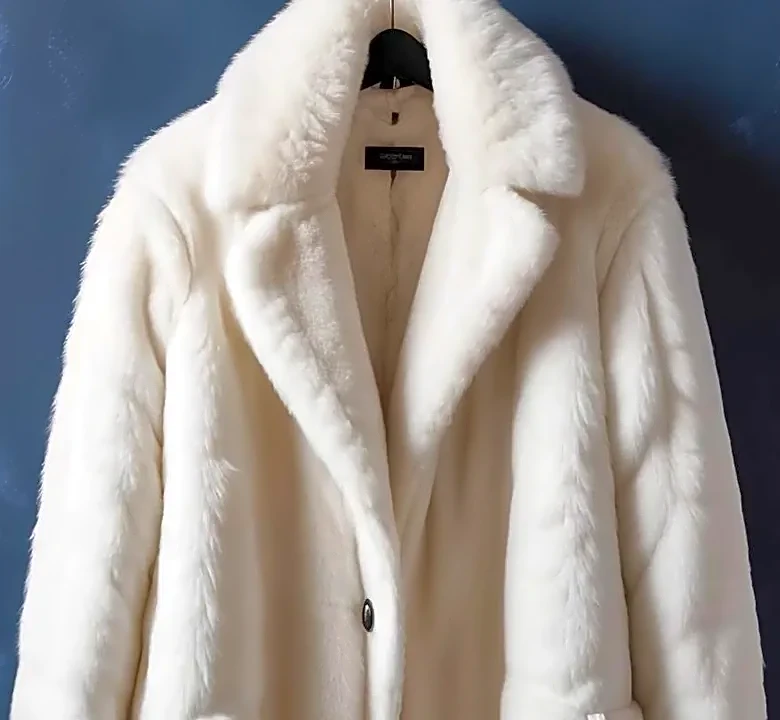
Your outer layer is your first line of defense against the morning cold, wind, or even unexpected drizzle. You don't need a heavy winter coat. Instead, opt for a lightweight and versatile piece. A classic trench coat is a perfect example, offering protection without excessive bulk. Other strong choices include a leather jacket, a soft wool blazer, or a packable puffer vest. This layer should be roomy enough to fit comfortably over your base and midlayers without feeling restrictive. When you take it off, it shouldn’t be a hassle to carry. A jacket that folds down small is far more practical than a coat you have to lug around all afternoon.
Accessorize for Maximum Flexibility
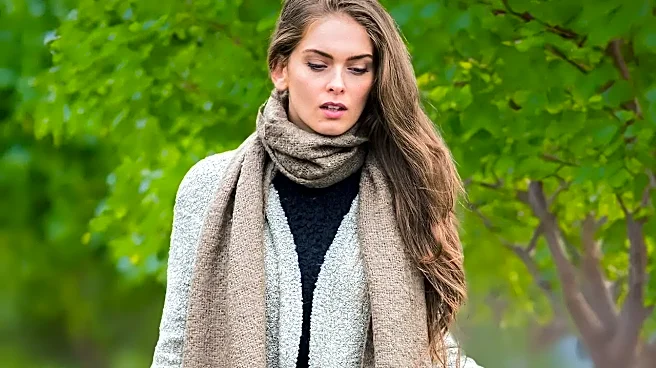
Accessories are not just for show; they are functional tools in your layering arsenal. A scarf is arguably the most valuable accessory for transitional weather. It can provide significant warmth for your neck and chest on a cold morning commute but can be removed in seconds and tucked into a tote bag. A lightweight beanie offers similar benefits. Your footwear choice also matters. While boots might feel great in the morning, they can become uncomfortably warm by the afternoon. Consider closed-'toe shoes like loafers, versatile sneakers, or ankle boots that work across a range of temperatures.