
The Unspoken Rules of Royal Box Style
To receive an invitation to Wimbledon's Royal Box is to enter a world of unspoken rules. For gentlemen, a jacket and tie are non-negotiable; for ladies, formal daywear is expected, with a polite request
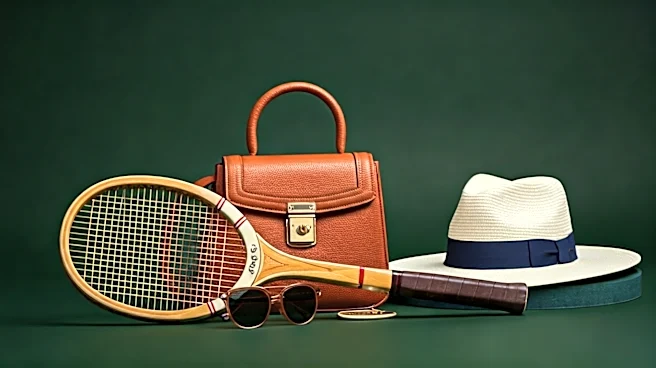
to avoid hats that might block others' views. This isn't a place for fleeting trends or logo-mania. Instead, it’s a masterclass in “quiet luxury,” an aesthetic defined by impeccable craftsmanship, timeless design, and high-quality materials rather than flashy branding. Amidst the sea of linen suits and silk dresses, certain classic items reappear year after year, chief among them the humble cable-knit tennis sweater or vest. It’s a garment that seems simple, but its most luxurious iterations hide their value in plain sight.
Anatomy of a Luxury Knit
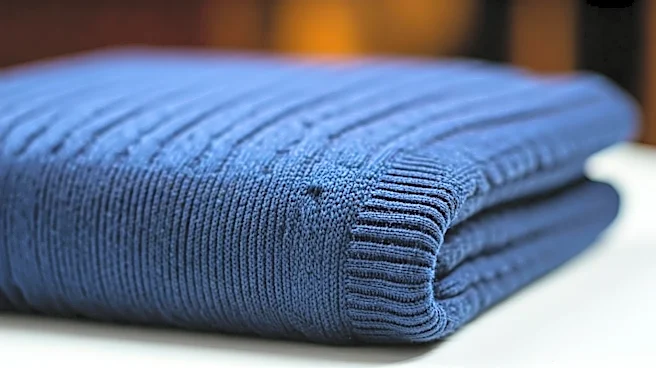
So, what separates a $50 vest from a $500 one that looks right at home on a royal? The secret often lies in the texture. The headline's “pleat depth” points to the most crucial detail of a cable-knit: the definition and structure of the cables themselves. In high-end knitwear, the cable patterns—those signature twisted, rope-like designs—are deep, tight, and three-dimensional. This isn't just for looks; achieving that depth requires more high-quality yarn (like fine merino or cashmere), complex programming on knitting machines, and a tension control that ensures the garment holds its shape without looking bulky or flat. Cheaper versions often have cables that look stamped-on or loose, lacking the rich, tactile quality that signals superior construction. It’s a difference you can both see and feel.
From the High Seas to Centre Court
The cable-knit's journey to becoming a symbol of sophisticated leisure is a long one. Its origins trace back to the Aran Islands off the coast of Ireland, where fishermen's wives knitted sweaters from water-repellent wool. The intricate stitches weren't just decorative; they provided extra insulation by trapping air, a practical innovation for life on the cold Atlantic. In the early 20th century, the style was adopted by skiers for its warmth before being popularized by the Prince of Wales on the golf course. By the 1930s, tennis players had embraced the sleeveless vest version as a casual, preppy alternative to a blazer, cementing its status as an icon of classic sportswear. This rich history adds a layer of heritage and authenticity that money can't buy, but luxury brands can certainly leverage.
A Masterclass in 'Stealth Wealth'
Ultimately, the appeal of a perfectly constructed tennis vest in the Royal Box is about what it communicates without saying a word. It’s an embodiment of “stealth wealth,” where the focus is on quality that’s appreciated by those “in the know” rather than a logo that’s recognizable to all. The deep cabling, the substantial feel of the fabric, and the perfect fit are all subtle signals of an investment in longevity and craftsmanship over fleeting fashion. In a world saturated with fast fashion, a garment like this—whether a vintage piece or a modern creation from a luxury house like Ralph Lauren or Loro Piana—projects a quiet confidence. It suggests an understanding that true elegance isn’t about what you’re wearing, but how well it’s made.