






Start with the Leather Grade
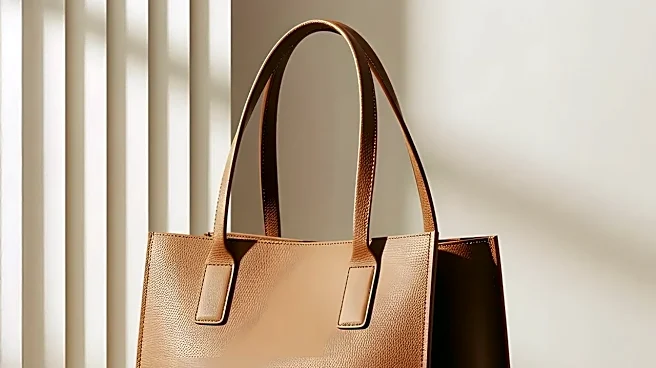
The single most important attribute is the material itself. Full-grain leather is the highest grade available, using the entire outer layer of the hide with its natural markings and pores intact. It's the strongest and most durable type, developing a rich
patina over time instead of wearing out. Top-grain leather is the second-best grade; its surface has been sanded to remove imperfections, creating a more uniform look but slightly reducing its ultimate durability. Be wary of the term "genuine leather," which, despite its name, often refers to lower-quality layers of the hide that lack the strength of its premium counterparts. To check, feel the surface: full-grain has natural texture variations, while heavily processed leathers can feel unnaturally smooth or plastic-like.
Examine the Stitching and Edges
Stitching is the structural backbone of a bag and a clear indicator of quality. Look for stitches that are straight, evenly spaced, and dense—typically around three to five stitches per centimeter. Uneven lines or loose threads are red flags for rushed assembly. Pay close attention to how the leather edges are finished. High-end bags often feature hand-painted or burnished edges that are smooth, clean, and uniform. This meticulous process seals the leather and prevents fraying. Thick, goopy, or cracked paint on the edges suggests cost-cutting and a piece that won't withstand daily wear.
Assess the Hardware's Weight and Finish
Hardware—zippers, clasps, buckles, and feet—is the jewelry of a handbag. On a luxury piece, it should feel solid, substantial, and operate smoothly. High-quality hardware is often made from solid brass or stainless steel, which gives it a satisfying weight. Cheaper alternatives made from lightweight zinc alloys can feel flimsy and hollow. Zippers should glide effortlessly without snagging; brands like YKK, RiRi, and SBS are known for their quality. The finish should be consistent and even, without tarnishing or scratches that reveal a different colored metal underneath, which indicates poor plating.
Consider the Structure and Silhouette
A well-crafted bag should have a deliberate shape and maintain its form when you set it down. This structure comes from a combination of quality materials and internal reinforcements that prevent the bag from collapsing or looking slouchy over time. Pay attention to the bag's proportions and how it feels to carry. Does the handle drop feel comfortable on your shoulder? Is the opening practical for accessing your belongings? True minimalist design isn't just about a clean look; it's about a functional, timeless silhouette that serves its purpose elegantly.
Don't Forget the Interior
What's inside counts just as much as the outside. A brand that invests in quality won't cut corners on the lining. In the most luxurious bags, the interior may be lined with a high-quality leather or a durable, tightly woven fabric that is neatly sewn. Pull gently at the lining and check the seams inside pockets. Everything should feel secure, finished, and intentional, with no raw edges or loose fabric. The layout of the interior—the placement and number of pockets—also speaks to the bag's thoughtful design and everyday usability.