




It’s Not the Stone, It’s the Setting
The quickest way to judge a piece of costume jewelry isn't the sparkle of the faux stone, but how that stone is held in place. In the world of jewelry, settings are the architecture that secures a gem. Fine jewelry makers spend immense effort on this,
and while costume jewelry operates on a different budget, the best pieces borrow the same principles. The biggest red flag on a low-quality piece is glue. If you can see any hardened, clear residue behind a stone, it’s a sign that the piece was made quickly and cheaply. Glued-in stones not only lack the dimension and security of properly set gems, but they also have a tendency to fall out, leaving you with a sad, empty spot on your favorite new accessory.
Look for Prongs and Bezels
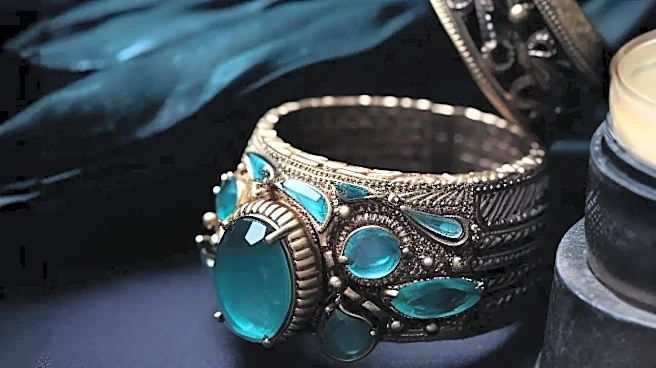
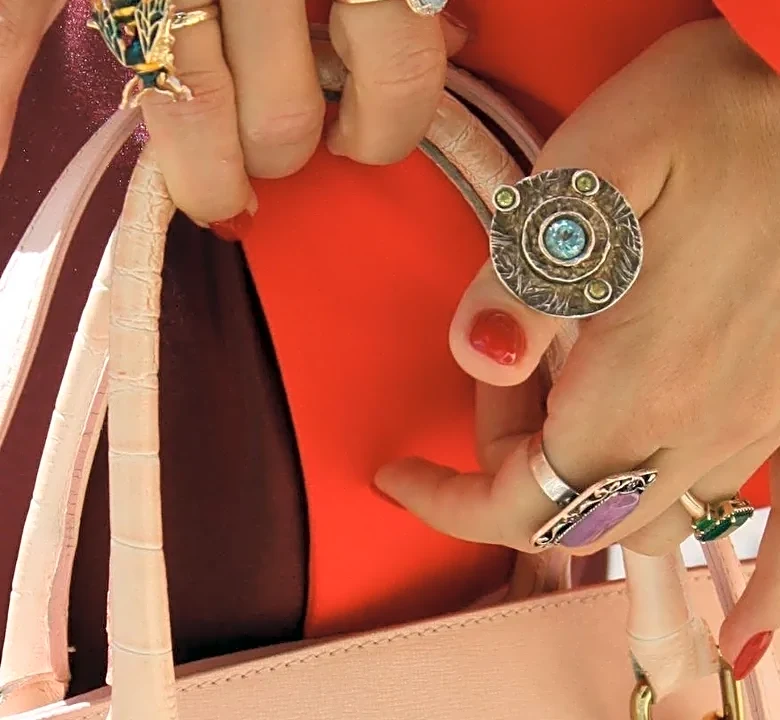
So, what should you look for instead? The answer lies in two classic techniques: prong and bezel settings. A prong setting uses small metal claws that bend over the edge of the gemstone to hold it securely. It's the most common setting in fine jewelry, like engagement rings, because it allows the maximum amount of light to hit the stone, creating more sparkle. A bezel setting, one of the oldest methods, encases the gem’s perimeter with a thin metal rim. This offers superior protection for the stone and creates a sleek, modern look. When a costume jewelry designer takes the time to use prongs or a bezel, it signals a commitment to craftsmanship. It shows they didn’t take the easy way out, resulting in a piece that looks far more substantial and intentional.
The Psychology of a Secure Stone
Why does this one detail make such a difference? Because our eyes are trained to associate certain cues with quality. A prong or bezel setting gives a faux gem depth and importance. The metal framework makes the piece look engineered and durable, just like its fine jewelry counterparts. In contrast, a glued-on stone often sits flat and looks 'stuck on'. It lacks the interplay of light and shadow that a proper setting provides. Stylist Micaela Erlanger notes that with cheap colored stones, an exposed foil backing is another dead giveaway that can make a piece look dull and obviously inexpensive. A proper setting hides these shortcuts, elevating the entire piece from a mere trinket to a genuine accessory.
Other Clues of Quality
While the setting is the number one giveaway, other details work alongside it to create a high-end impression. Pay attention to the weight of the piece; cheaply made items are often suspiciously light, using hollow plastic instead of solid base metals. Also, examine the plating. Good costume jewelry often uses a thicker plating in a deeper, richer tone rather than a shiny, thin coating that looks like it could flake off. Finally, check the small hardware, like clasps and earring backs. A sturdy, well-made clasp suggests the entire piece was built to last, not just to survive a single season. These details, combined with a proper stone setting, are what separate a regretful purchase from a treasured find.