


The Return of a Power Classic
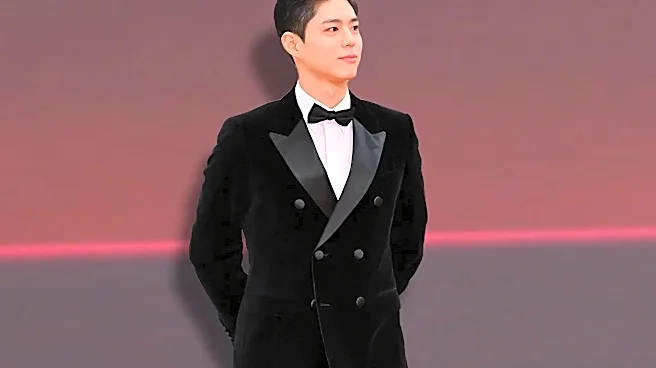
There's a reason the double-breasted jacket endures: it projects confidence. With its overlapping front panels and twin rows of buttons, the style has roots in military uniforms and the power-dressing of the 1980s. Today, its resurgence on the red carpet
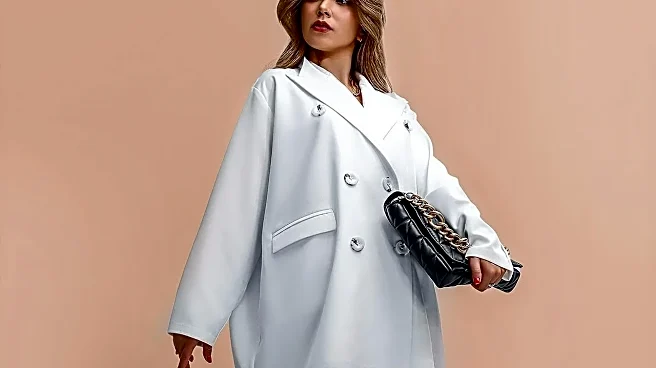
speaks to a desire for sharper, more intentional tailoring after years of relaxed and oversized trends. When worn correctly, it enhances the wearer’s frame, broadening the shoulders and creating a strong V-shape that tapers to the waist. It’s a statement piece that says you care about the details. But its inherent structure is also its biggest risk; unlike its single-breasted cousin, there is very little room for error.
The Proportional Puzzle
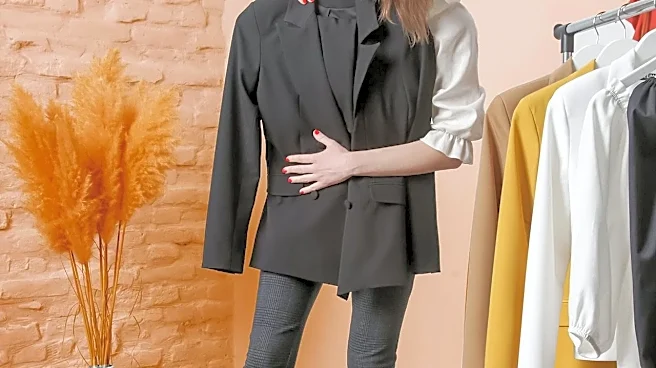
The difference between a great double-breasted jacket and a bad one is a matter of millimeters. The key is proportion. First, the shoulders should be defined but not unnaturally padded; the seam must sit directly on your shoulder bone. Any overhang creates a sloppy, dated look. The waist is the jacket's anchor. A proper fit requires a gentle taper to contour the body, preventing the boxy silhouette that plagues so many off-the-rack versions. The button stance—the placement of the fastening buttons—is crucial. It should be positioned around your natural waist to create a flattering pivot point for the fabric. Finally, the length must be just right. A double-breasted jacket should be slightly longer than a single-breasted one to elongate the torso and provide balance. If it’s too short, it looks boxy; too long, and it overwhelms the frame.
Red-Carpet Case Studies
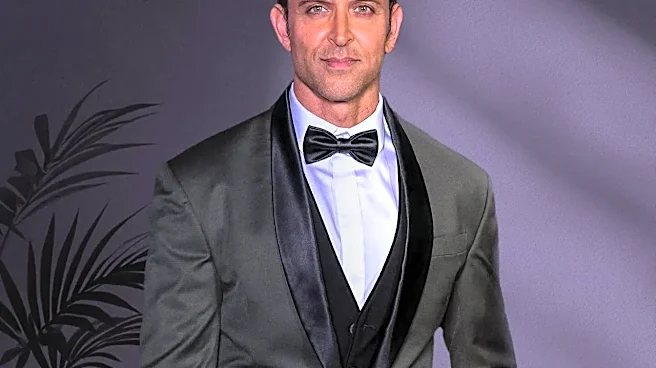
On the red carpet, you can see the principles in play. Think of style mavens who consistently get it right—actors who look poured into their suits. Their jackets feature sharp, peaked lapels that draw the eye upward, slim sleeves that show the perfect amount of shirt cuff, and a front that lies flat without any pulling or buckling. The most common mistake seen at premieres and award shows is a failure of waist suppression. Many actors appear in jackets that hang straight down from the armpits, creating a rectangular shape that adds visual weight. Another frequent error is improper buttoning. The rule is simple: always leave the bottom button undone to allow the jacket to drape correctly. The inner 'anchor' button must also be fastened to keep the overlapping panels perfectly aligned. When these details are ignored, the entire structure collapses.
Why It's So Hard to Get Right
So why do we see so many misfires? Part of the issue is the difficulty of mass manufacturing a garment that requires such a precise fit. An off-the-rack double-breasted jacket is a compromise designed to fit a generic body shape, which suits almost no one perfectly. While a good tailor can make adjustments, fundamental issues like a low armhole or an incorrect button stance are nearly impossible to fix. On the red carpet, stylists may prioritize a certain designer or trend over a perfect, bespoke fit. The result is often a look that photographs well from a specific angle but fails in motion or from any other viewpoint. Ultimately, the double-breasted jacket is an investment in tailoring. It’s not a forgiving garment. It demands respect for its architectural lines, and when that respect is given, the result is timeless and powerful. When it’s not, it's just an expensive, unflattering box.