






The Map vs. The Territory
For the last decade, cinematic universes have sold us a map. This character connects to that event, which sets up this sequel, which you must watch to understand the next crossover. The problem? The map became more important than the territory. We were
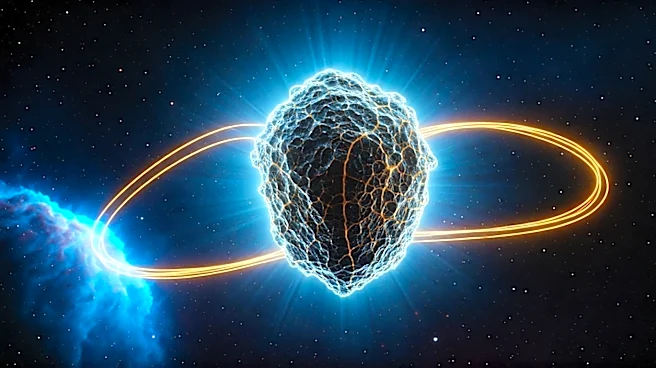
so busy tracking continuity, post-credit scenes, and canonical branches that the actual emotional territory—the characters’ inner lives—became an afterthought. This is the fatigue audiences feel. It’s the exhaustion of homework, of needing a flowchart to feel something for a hero. *Supergirl: Woman of Tomorrow* proposes a different approach, one that prioritizes emotional geography. The idea is simple: what matters isn’t where Kara Zor-El fits on a DCU timeline, but the landscape of her grief, rage, and eventual hope. Can the film make us feel the weight of her having watched her entire world die, of growing up on a rock fragment orbiting a red sun? If the audience can navigate *that* terrain, the specific details of Kryptonian politics or which Green Lantern is on duty become secondary. The film’s core test is whether it can make us care about the person, not her place in the puzzle.
The Perfect Source Material
Fortunately, the film is adapting a modern classic that is all about this principle. Tom King and Bilquis Evely’s *Supergirl: Woman of Tomorrow* comic series is a masterclass in character-first storytelling. It’s a gritty, space-western revenge quest, but the plot is merely a vehicle for exploring Kara’s psyche. In the story, a young alien girl whose planet has been destroyed seeks a bounty hunter to kill the men responsible. When she can’t find one, she hires the next best thing: a disillusioned, hard-drinking Supergirl who is celebrating her 21st birthday alone in a cosmic dive bar. This isn’t the sunny, optimistic hero of The CW. This Kara is cynical, tired, and wrestling with a trauma her famous cousin, raised on Earth, could never fully comprehend. The story isn't about saving the world; it’s about saving one girl, and in doing so, Supergirl must confront whether she has anything left worth saving within herself. By choosing this intimate, elegiac, and often brutal story, James Gunn and the DC team are signaling their intention: character over spectacle, feeling over lore.
A Different Kind of Kryptonian
For years, Supergirl has lived in Superman’s shadow, often presented as a lighter, more approachable version of the Man of Steel. But the *Woman of Tomorrow* premise flips that dynamic on its head. While Clark Kent was found as a baby and raised with love, Kara was a teenager who remembered Krypton. She had a life, friends, and parents, and she watched it all burn before being stranded in space. As Gunn himself has pointed out, her experience is fundamentally harsher. This creates a fascinating emotional geography. Her powers aren't just a gift; they’re a lonely reminder of a lost home. Casting Milly Alcock, known for her fiery portrayal of Rhaenyra Targaryen in *House of the Dragon*, reinforces this direction. Alcock excels at playing characters who carry immense generational trauma and royal burden with a hardened, defiant edge. The film has the opportunity to present a Kryptonian who isn’t defined by hope, but by survival. Her journey toward becoming a hero is more fraught and, potentially, more compelling than the one we’ve seen before.
The Litmus Test for the New DCU
This is why *Supergirl* is more than just another movie; it’s the ultimate proof-of-concept for the new DCU. While *Superman* will establish the universe's tone, *Supergirl* will test its core promise: that each film can stand on its own as a great story. If audiences embrace this emotionally complex, standalone sci-fi adventure, it proves that the franchise-building “map” is no longer a prerequisite for success. It validates the idea that viewers will show up for a powerful story about a compelling character, regardless of its place in a larger saga. But if it struggles, it might send a more worrying signal: that despite complaining about continuity homework, audiences are too conditioned to the interconnected model to accept anything else. The success or failure of *Supergirl* won’t just be about box office numbers. It will be a referendum on the future of superhero storytelling itself. It will tell us whether we’ve finally learned to appreciate the territory for its own sake, or if we’re still hopelessly lost in the map.