





It’s the most overlooked item in your wardrobe, yet it holds the power to make or break an entire outfit. The humble sock is the critical bridge between your trousers and shoes, and getting the height right is key to a polished look.
The Foundation: It’s All About the Leg Line
The core principle
of sock styling is simple: create an unbroken visual line from your trouser hem to your shoe. When your socks are too short, sitting down or crossing your legs can expose a flash of bare skin, which visually 'breaks' the leg line. This small detail can make an otherwise sharp outfit look careless. The traditional rule is to match your socks to your trousers, not your shoes. For example, navy trousers pair with navy socks, and charcoal trousers with charcoal socks. This creates a seamless transition that makes you appear taller and more put-together by elongating the leg. Think of your socks not as an afterthought, but as the subtle yet crucial element that maintains visual harmony.
The Casual Go-To: No-Show & Ankle Socks
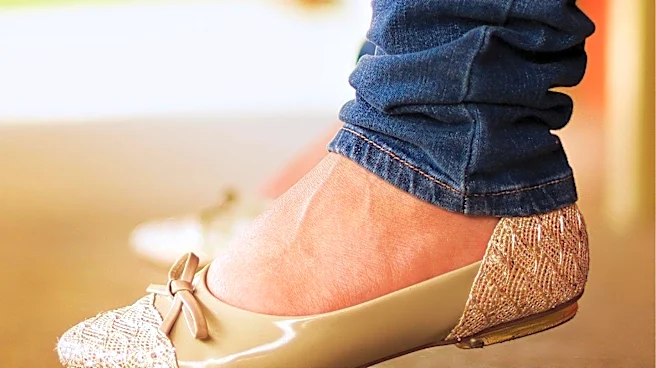
No-show socks, which sit invisibly inside the shoe, are essential for achieving a clean, sockless look with low-cut footwear like loafers, boat shoes, or minimalist sneakers. They provide the necessary comfort and hygiene benefits of a sock without interfering with the streamlined silhouette of the shoe. Ankle socks, which peek out just above the shoe line, are primarily for athletic settings with trainers. While great for the gym, they often look out of place with dressier shoes or trousers, as they can create that awkward, unintentional gap between the sock and trouser hem. The rule here is to match the sock to the shoe's profile and the occasion's level of formality.
The Workhorse: Crew & Mid-Calf Socks
The crew or mid-calf sock is the most versatile and popular length, hitting around the middle of your calf. This is the absolute minimum height for any business or formal setting. Its primary function is to ensure no bare leg is ever visible when you sit down, a non-negotiable detail for professional attire. Mid-calf socks are the default for everything from business casual chinos and derbies to more formal suits. While crew socks can work, mid-calf socks that reach the widest part of your calf are generally better at staying up throughout the day, avoiding the dreaded bunching around the ankle.
The Formal Power Move: Over_the_Calf Socks
For suits, tuxedos, and any formal occasion, over_the_calf (OTC) socks are the undisputed champion. Extending to just below the knee, they offer complete assurance that no skin will show, no matter how much you move or cross your legs. This creates the cleanest possible line and conveys an unmistakable sense of polish and attention to detail. While some might see them as old_fashioned, style traditionalists and a growing number of modern dressers recognize their superior function and elegance. They are mandatory for formalwear because they simply do not fall down. This makes them a smart investment for anyone who frequently wears a suit.
The Modern Dilemma : Cropped Trousers
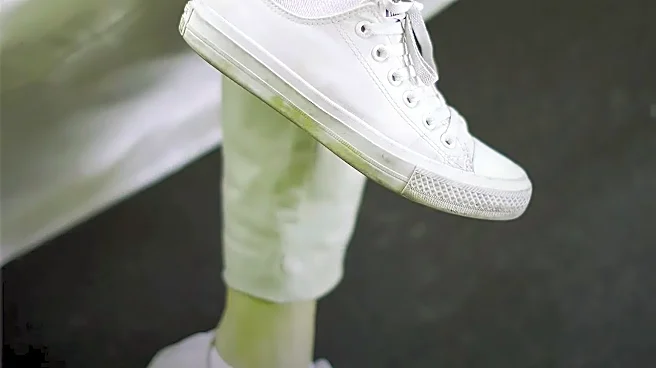
Cropped trousers have thrown a wrench in traditional sock rules by intentionally exposing the ankle. Here, the sock is no longer a hidden connector but a deliberate style statement. With loafers or sneakers, you can opt for a no_show sock for a bare_ankle look in warmer weather. In colder months, the move is to bridge the gap with a visible sock. This can be a chance to play with color or pattern. A neutral sock in a shade like grey or taupe can look elegant, while a bolder pattern can add personality. The key is intentionality—the sock should look like a conscious choice that complements either the trousers, the shoes, or another color in your outfit.