



Functionality Is the Foundation
First things first: Copenhagen style is built for real life. This is a city of cyclists, unpredictable weather, and a general appreciation for living well without fuss. The fashion reflects that. Garments are designed with function at their core, featuring
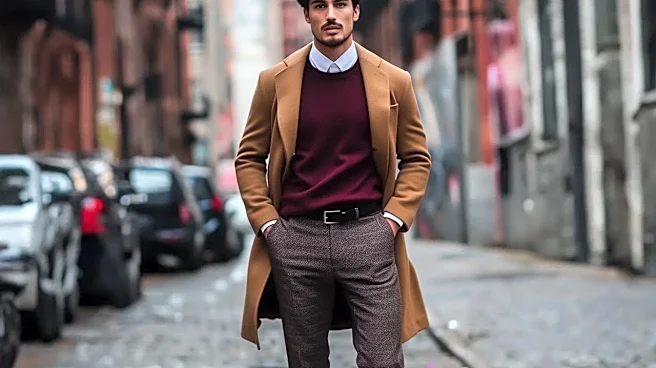
clean lines, quality fabrics, and silhouettes that allow for movement. Think of a perfectly tailored oversized blazer, trousers that are comfortable enough to bike in, and chunky footwear that can handle cobblestone streets. This isn't about suffering for style; it's about creating a foundation of reliable, beautifully made basics that work for a person's actual day. This commitment to practicality doesn't make the clothes boring. Instead, it makes them a dependable canvas for personal expression.
The Power of the Personal Touch
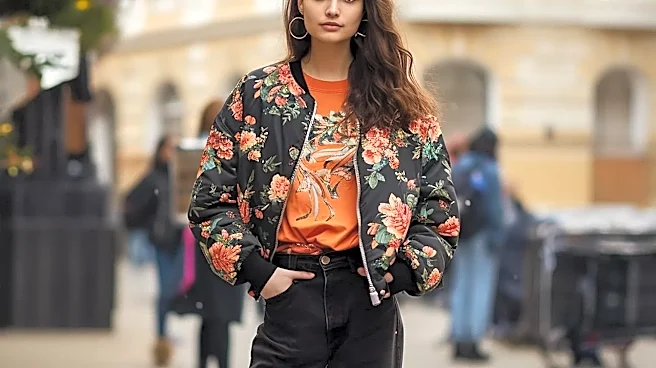
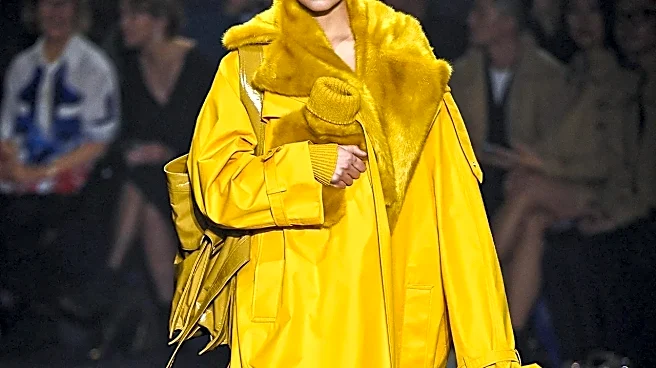
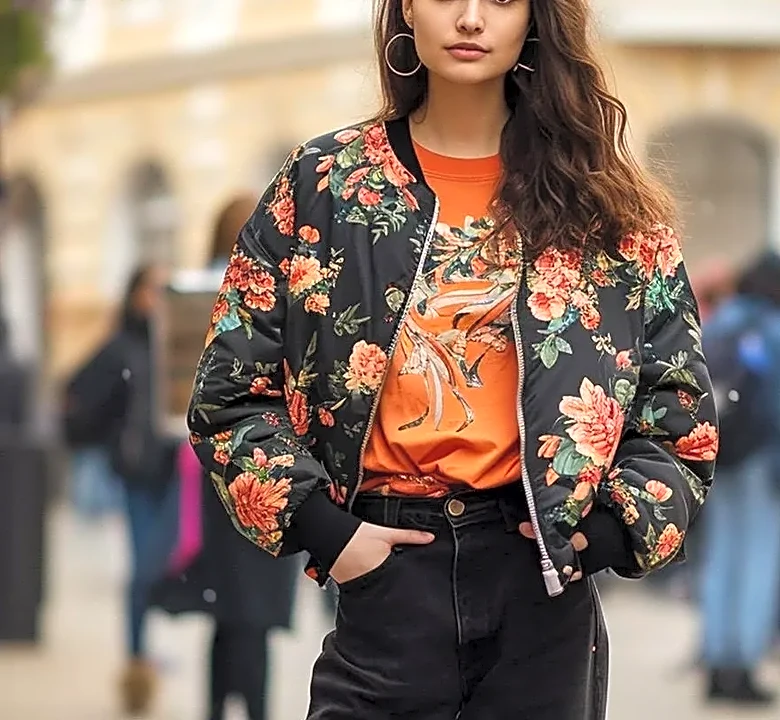
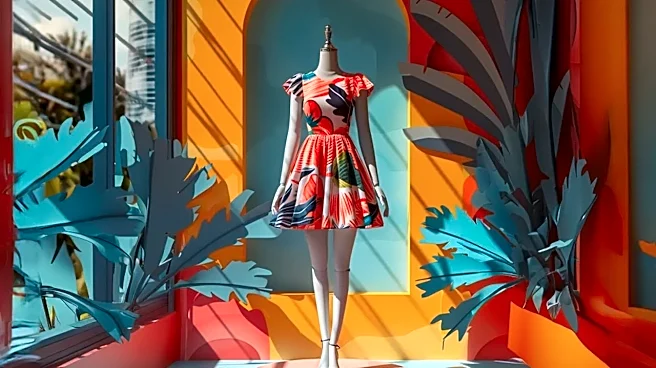
This is where the emotional richness really comes into play. While the foundation might be a set of timeless basics, the magic is in how they're put together. Copenhagen street style is famous for its masterful, often unexpected layering. A trench coat might be thrown over a vibrant knit and a slip dress, or a crisp shirt will peek out from under a sweatshirt. It’s also defined by a fearless use of color and print. Forget the old stereotype of Scandinavian minimalism being a sea of beige. The city's style-set clashes florals with stripes, pairs bold primary colors, and uses accessories to add a dash of the unexpected. This isn't about following a formula; it's what one analyst calls "distributed individuality," where identity is found in the accumulation of details rather than a single statement piece. The result is a look that feels authentic and joyful, a true reflection of the wearer's personality.
A Deeper Connection Through Conscience
A huge part of the city's fashion identity is its commitment to sustainability, and this adds another layer of emotional weight. Copenhagen Fashion Week is renowned for its stringent sustainability requirements, pushing brands to be more responsible. Participating designers must meet standards related to eco-friendly materials, ethical production, and even the well-being of models. Brands focus on using recycled or deadstock fabrics and zero-waste design processes. For the person buying these clothes, this focus on conscience fosters a deeper connection to their wardrobe. When you know a garment was made with care for both people and the planet, it shifts from being a disposable item to a cherished possession. This ethos encourages a "slow fashion" mindset, where you buy fewer, better things that are designed to last—both in quality and in style.
A Rejection of Algorithmic Style
Ultimately, the emotional appeal of Copenhagen fashion may be a quiet rebellion against the digital noise of modern life. So much of today's fashion is driven by social media algorithms that push micro-trends and promote a homogenous, instantly consumable look. Copenhagen style, with its quirky layers, personal touches, and embrace of imperfection, resists that. The outfits are often complex and textured, inviting a second look rather than a quick 'like'. It's a style that prioritizes the wearer's comfort and self-expression over how an outfit might perform online. In a culture saturated with fleeting digital content, this focus on tangible, lasting, and meaningful clothing feels like a breath of fresh air. It proves that practical clothes don't have to be sterile; they can be a source of daily comfort, joy, and authentic connection.