







The Rise of Effortless Resortwear
First, let's consider the clothes themselves. For decades, “resortwear” or “cruise collections” often implied a certain formality: structured nautical stripes, crisp tailored shorts, and polished evening looks for the captain's table. It was about transplanting
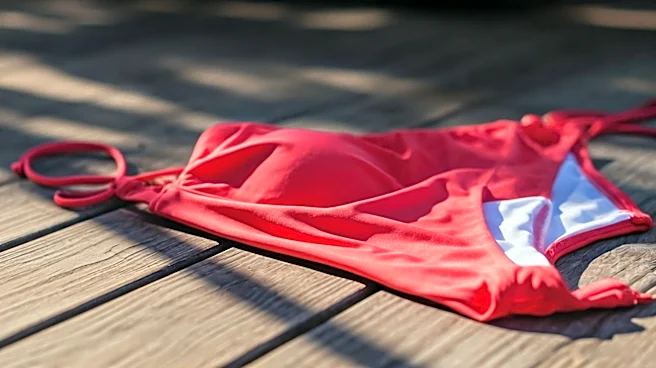
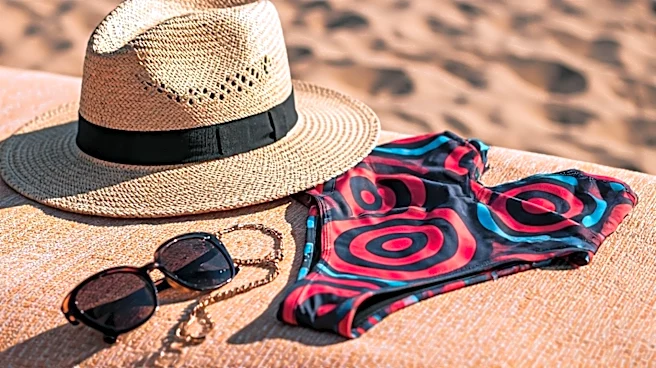
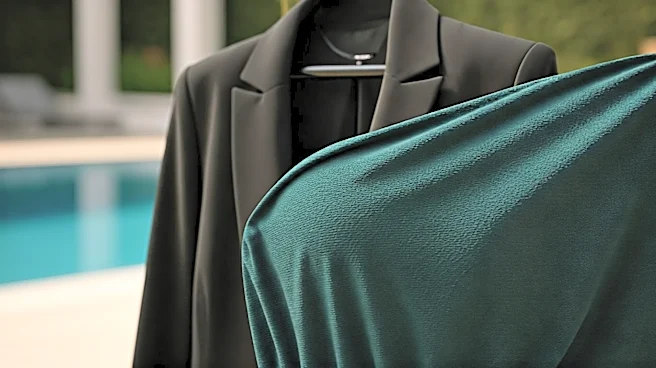
a refined city wardrobe to a sunnier locale. But today’s resortwear has undergone a radical transformation. The new uniform is one of studied effortlessness. Think gauzy fabrics, unstructured linen sets, oversized cotton shirts worn as cover-ups, and flowing, minimalist slip dresses. The color palette has softened, too, favoring earthy neutrals, sun-bleached whites, and muted tones that complement a natural landscape rather than competing with it. This aesthetic isn't about looking perfect; it’s about feeling unburdened, free, and connected to the environment. It’s a style that prioritizes breathability, comfort, and a sense of organic ease over rigid structure.
An Olfactory Mismatch
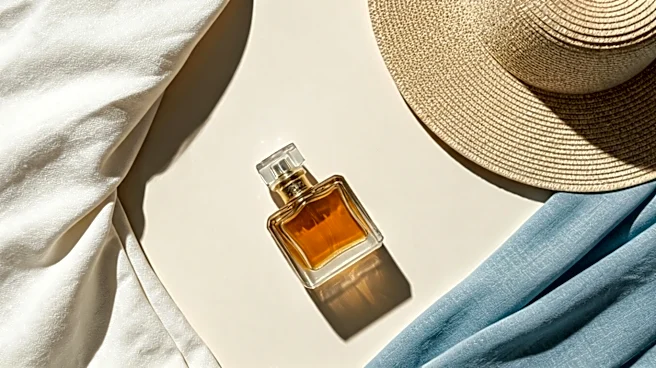
This is where the sensory clash begins. Heavy perfumes—those rich with notes of oud, amber, patchouli, dense vanilla, or heady florals like tuberose—carry a very different message. These are scents with olfactory “weight.” They are complex, opulent, and often designed to project power and presence in a more formal, typically urban or evening setting. They announce your arrival and linger long after you’ve left. In a way, a heavy perfume is like an invisible velvet jacket or a piece of statement jewelry: it adds structure, formality, and a sense of occasion. When you pair that dense, enveloping scent with clothing that is fundamentally about lightness and transparency, the result is a jarring contradiction. It’s like wearing winter boots with a bikini. The scent’s heavy, opaque character feels at odds with the airy, sunlit vibe of the clothing.
Context is Everything in Scent
Our brains are wired to associate scents with specific contexts, memories, and even temperatures. Heavy, spicy, and woody fragrances often trigger associations with warmth, coziness, and intimacy—the feeling of being wrapped in a cashmere sweater on a cold evening. They are the scents of winter holidays, dimly lit restaurants, and formal events. Their chemical composition often includes larger molecules that evaporate more slowly, creating a persistent, enveloping aura that can feel comforting in the cold but cloying in the heat. When you introduce one of these fragrances into a hot, humid, sun-drenched environment—the natural habitat of resortwear—it doesn't just feel wrong, it can feel physically overwhelming. The heat and humidity amplify the scent, turning a sophisticated statement into an oppressive cloud that seems to suffocate the wearer and those around them.
Finding a 'Vacation Skin' Scent
This doesn't mean you have to go fragrance-free on your getaway. It’s an invitation to build a scent wardrobe that complements the mood. The goal is to find a fragrance that aligns with the ethos of modern resortwear: light, personal, and enhancing your natural state rather than masking it. Look for fragrances in the citrus family (bergamot, grapefruit, neroli), which feel bright and clean. Aquatic or marine notes evoke a sense of sea spray and open air. Green notes, like fig leaf or freshly cut grass, feel crisp and natural. You can also explore “skin scents,” which use subtle notes like ambrette, light musks, or Iso E Super to create a “your-skin-but-better” effect that whispers rather than shouts. Also, consider the concentration. An Eau de Toilette or a lighter Eau de Cologne has a lower concentration of fragrance oils than an Eau de Parfum, making it a more subtle choice for daytime and warm weather.