


When the nominations for the 2026 Latin Grammys were announced, one entry in the Best Reggaeton Performance category stood out: 'Choque'. The track is a team-up between two seemingly different artists, but it’s a perfect snapshot of Latin music’s secret
weapon.
A Clash of Generations and Styles
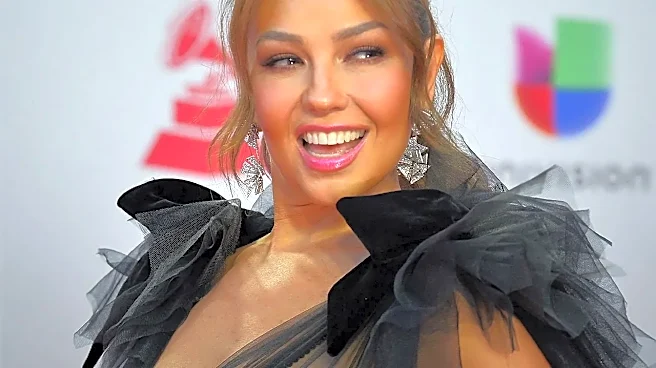
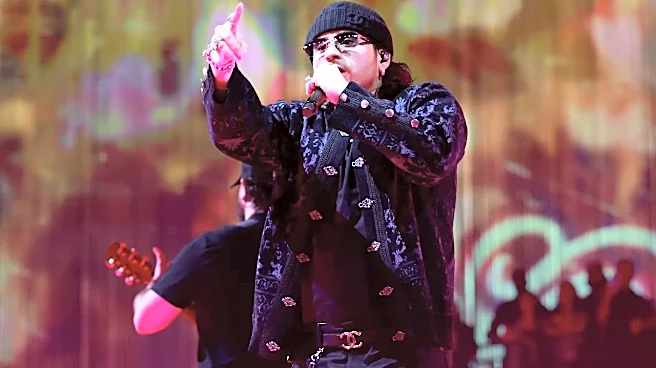
On one side of 'Choque' (which translates to 'Clash'), you have Bad Gyal, the Catalan artist from Spain whose sound blends trap, dancehall, and reggaeton. Since breaking out with a Catalan cover of Rihanna’s 'Work' in 2016, Alba Farelo i Solé has become an icon for a new generation, known for her provocative style and for carving out a female-led space in a male-dominated genre. On the other side is Chencho Corleone, a titan of reggaeton. As one half of the legendary Puerto Rican duo Plan B, Chencho helped write the blueprint for the genre in the early 2000s. His voice is instantly recognizable to any long-time fan of the genre. Pitting a Spanish trailblazer against a Puerto Rican pioneer isn’t a clash; it's a calculated collision of fanbases, histories, and sounds. This track, released in February 2026, represents a bridge between reggaeton's foundational past and its global, multi-genre future.
The Performance that Embodied the Movement
While the headline speculates on a performance, the true spotlight came from the nomination itself, which placed 'Choque' among the year's best. A nomination at the Latin Grammys isn't just an award; it's a validation from the industry that a song represents the pinnacle of its craft. For 'Choque' to be recognized for Best Reggaeton Performance signifies that this blend of influences is not just a trend but a core component of modern urban music. Bad Gyal received two nominations in total for the 2026 awards, cementing her status as a major player in the urban music scene. The nod for this specific collaboration underscores the importance of artists joining forces across geographic and generational lines.
Why Collaboration is the New Normal
In the streaming era, collaboration is no longer just a fun one-off—it's a vital strategy. Artists team up to merge fan bases, boost their presence on streaming platforms, and stay culturally relevant. This strategy is particularly potent in Latin music, where cross-pollination has been key to its explosive global growth. Collaborations introduce artists to new markets and audiences, acting as a career accelerator. By bringing together different sounds—like Bad Gyal's European-infused dancehall and Chencho's classic perreo—artists create something that feels both fresh and familiar. This fusion not only produces hits but also pushes the genre forward, blending sounds and cultures to create a musical language that resonates globally.
More Than a Song, It's a Blueprint
The success and recognition of 'Choque' serve as a powerful case study. It demonstrates that the future of Latin urban music lies in its ability to honor its roots while embracing constant evolution. Bad Gyal has built a career on collaborating with a wide range of artists, from rising stars to established figures like Rauw Alejandro and Myke Towers. For his part, Chencho Corleone has remained a sought after feature, lending his iconic status to tracks with a new generation of stars. 'Choque' is the perfect embodiment of this dynamic: a veteran star gives a co sign to a newer innovator, and in return, the innovator introduces the legend to her audience. It's a symbiotic relationship that keeps the entire ecosystem vibrant and commercially powerful, proving that in today's music world, the biggest hits are rarely created in isolation.