

The Blumhouse Low-Cost, High-Reward Model
You can't talk about the success of 'Halloween' (2018) without talking about Blumhouse Productions. Founder Jason Blum has perfected a lean production model: keep budgets incredibly low (typically under $15 million), give filmmakers creative freedom,
and then partner with a major studio for a wide release. For 'Halloween', the budget was a mere $10 million. This strategy means a movie doesn't have to become a billion-dollar blockbuster to be wildly profitable. By keeping costs down, the film was already a financial success with its massive $76 million opening weekend, turning everything after that into pure profit and proving the model's genius once again.
The Triumphant Return of Laurie Strode
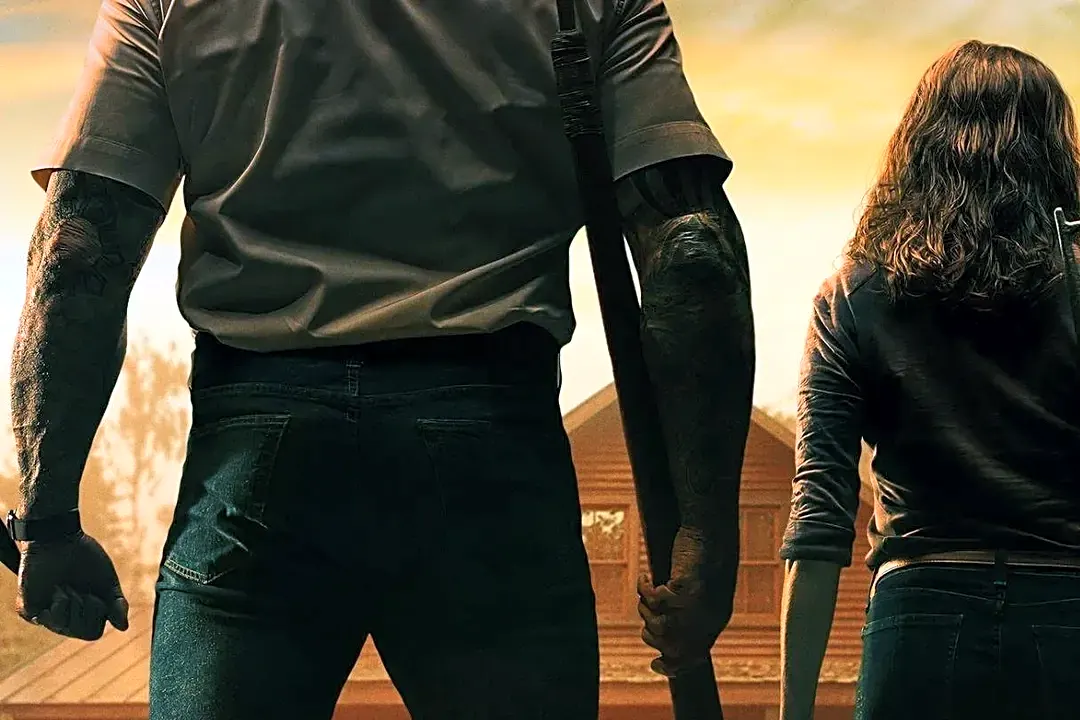
The single greatest asset for the film was the return of Jamie Lee Curtis as Laurie Strode. But this wasn't the terrified teenager from 1978. The marketing and the film itself brilliantly reframed Laurie as a hardened survivor, a grandmother who had spent 40 years preparing for Michael Myers's return. This transformed her from a 'final girl' into a fierce, empowered warrior, creating a compelling narrative of trauma and resilience that resonated with modern audiences. Curtis's enthusiastic participation gave the project a stamp of legitimacy and an emotional core that previous sequels lacked, making her character just as much of a box office draw as the masked killer himself.
Wiping the Slate Clean
Over four decades, the 'Halloween' timeline had become a tangled mess of sequels, reboots, and convoluted mythologies involving cults and sibling connections. The 2018 film made a bold and brilliant choice: it ignored every single movie except for John Carpenter's 1978 original. This decision, championed by writers David Gordon Green and Danny McBride, acted as a reset button. It freed the filmmakers from confusing continuity and allowed them to return the franchise to its simple, terrifying roots: a relentless killer and the one woman who refuses to be his victim. This made the film accessible to newcomers while thrilling purists who longed for a return to form.
Fresh Eyes on a Classic Formula
Hiring David Gordon Green and Danny McBride, a director-writer duo best known for comedies like 'Pineapple Express', seemed like an odd choice. Yet, their genuine love and deep respect for the original film were exactly what the franchise needed. They approached the material not as horror journeymen, but as passionate fans aiming to create the sequel they always wanted to see. They brought back original creator John Carpenter as an executive producer and composer, further bridging the gap between old and new. This combination of reverence for the source material and a fresh creative perspective prevented the film from feeling like a tired cash grab, instead infusing it with an energy and respect that audiences felt.
Perfect Timing and Flawless Marketing
The film's release in October 2018 was perfectly timed, with little competition from other major horror releases. The marketing campaign was a masterclass in building hype. Trailers focused heavily on the generational conflict between a traumatized but ready Laurie, her daughter, and her granddaughter, promising an epic final confrontation. It sold the film not just as another slasher, but as a multi-generational story of female empowerment. This angle, combined with the potent nostalgia of seeing Curtis face off against Myers again, turned the movie into a must-see event that transcended the horror genre and captured the broader cultural imagination.