





A Nation's Dream on Home Soil
The stage was perfectly set for a national coronation. In 2014, Brazil was hosting the FIFA World Cup for the first time in 64 years. For a country where soccer is woven into the national identity, this was more than a tournament; it was a destiny. The memory
of losing the 1950 final to Uruguay in Rio—a national tragedy known as the "Maracanaço"—still lingered. The 2014 squad was expected to exorcise that ghost and claim a record sixth title in front of their ecstatic home fans. The entire country was swept up in a wave of yellow and green optimism. Anything less than lifting the trophy was unthinkable.
The Heroes Fall
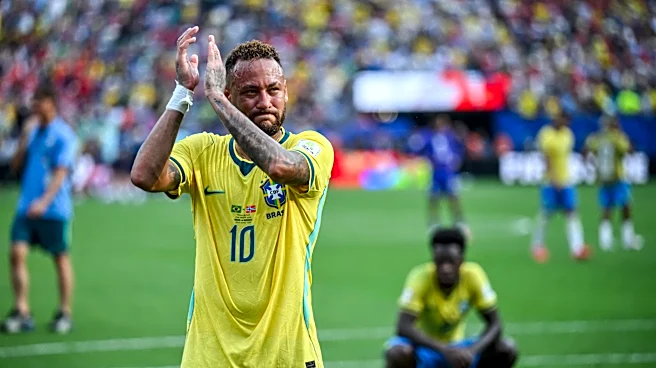
The dream began to crack in the quarter-final against Colombia. Though Brazil won 2-1, the victory came at a crippling cost. First, team captain and defensive anchor Thiago Silva received his second yellow card of the tournament, earning him a suspension for the semifinal. Then, in the match's final minutes, superstar forward Neymar, the team's creative engine and the face of the tournament, took a knee to the back. He was stretchered off in tears with a fractured vertebra, an injury that ended his World Cup. Suddenly, Brazil was heading into a semifinal showdown against a powerhouse German team without its best attacker and its most crucial defender. A nation's confidence was replaced by a quiet, gnawing anxiety.
Eighteen Minutes of Unthinkable Collapse
The semifinal took place at the Estádio Mineirão in Belo Horizonte. What transpired is still difficult to comprehend. After Germany scored an opening goal from a corner in the 11th minute, the Brazilian team didn't just bend; they shattered. In a surreal span between the 23rd and 29th minutes, Germany scored four more times. The score went from 1-0 to a scarcely believable 5-0 in what felt like the blink of an eye. The stadium fell into a stunned, deathly silence, punctuated only by the cheers of German fans and the weeping of Brazilians. This was no longer a soccer match; it was a public dismantling. The emotional collapse on the field mirrored the disbelief in the stands and across the country as the world watched in shock.
The Ghost of 'Mineirazo'
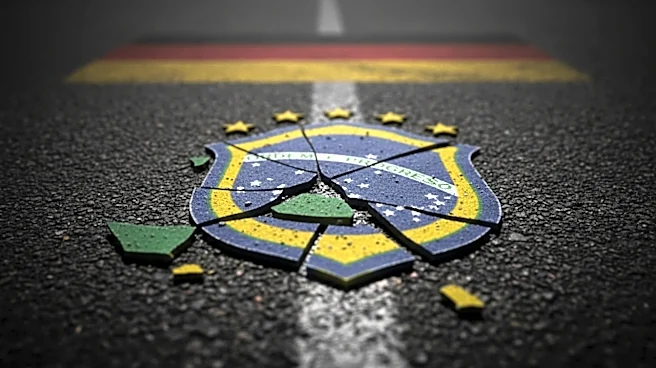
The final score was 7-1, Brazil's worst-ever World Cup defeat and the largest margin of victory in a World Cup semifinal. The match was immediately dubbed the "Mineirazo," a new national trauma to sit alongside the Maracanaço of 1950. But this felt different, more visceral. This wasn't a hard-fought loss; it was a complete capitulation. Fans in the stadium were pictured openly crying, while others left at halftime. In the years since, the term "7-1" has entered the Brazilian lexicon as a shorthand for any kind of disastrous, humiliating defeat, whether in sports, politics, or personal life. It became a scar on the national psyche, forcing a painful re-evaluation of the country's revered place in the soccer world and creating a generation of players haunted by the ghost of that day.