

Beyond the Billboard
In an era defined by logomania, where brand names are splashed across chests and handbags like personal billboards, a different code operates in the sun-drenched grandstands of Monaco. Here, among the world’s wealthiest spectators, the most aspirational
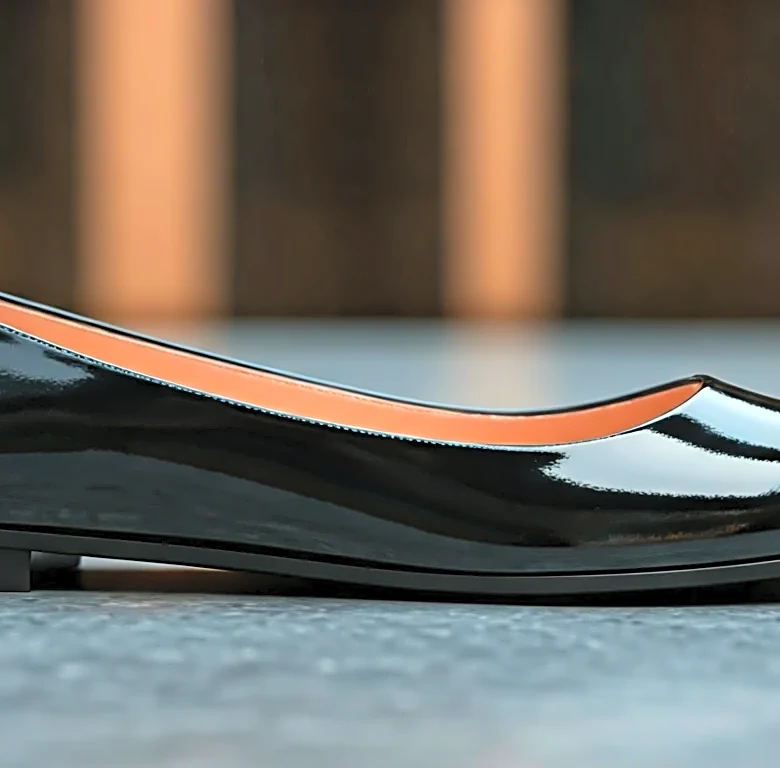
look isn’t about what brand you’re wearing, but how invisibly you’re wearing it. This is the world of 'quiet luxury' or 'stealth wealth'—a style philosophy that shuns obvious branding in favor of impeccable quality, material, and craftsmanship. It’s the sartorial equivalent of an inside joke. Instead of a Gucci monogram or a Balenciaga logo, wealth is communicated through the drape of a perfect silk shirt, the flawless weave of a summer-weight cashmere sweater, or the buttery softness of a handmade Italian loafer. The goal isn't to be noticed by everyone, but to be recognized by the *right* people—those who can spot a Loro Piana jacket or a Brunello Cucinelli knit from a hundred paces, not by a logo, but by its tell-tale silhouette and texture.
The Riviera's Unwritten Rules
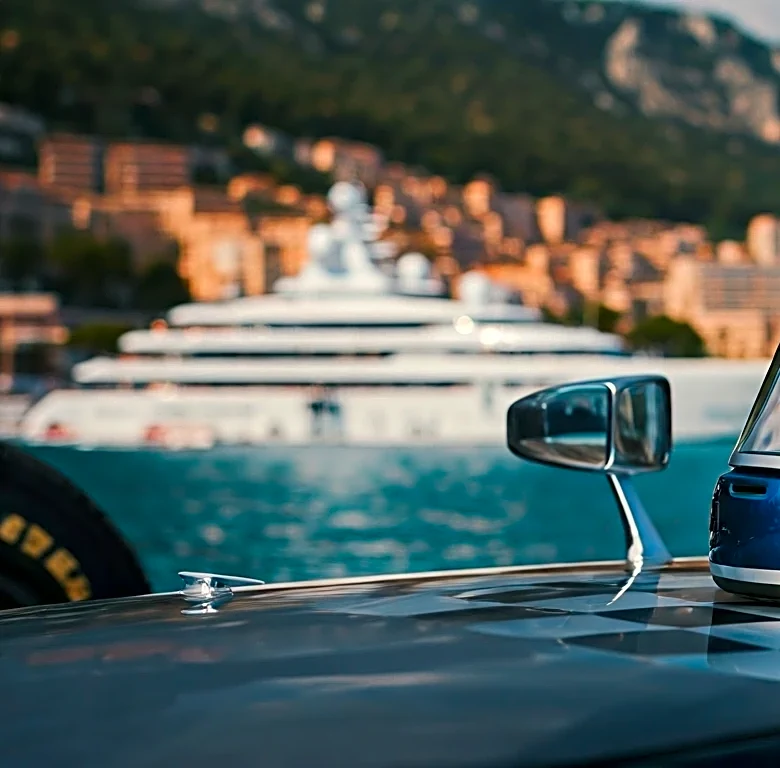
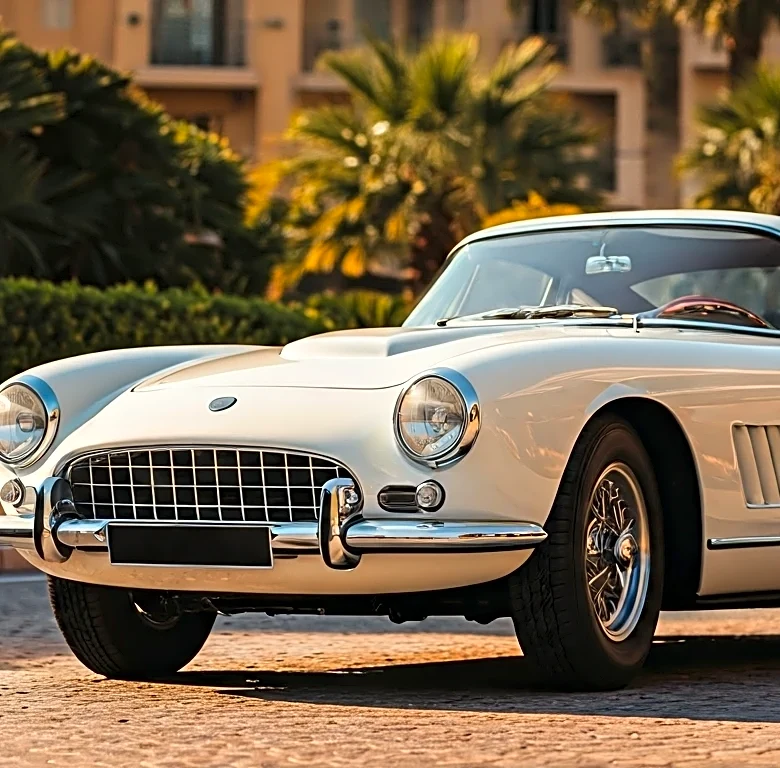
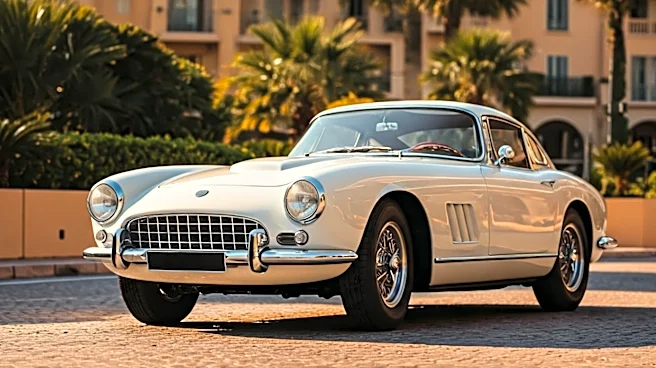
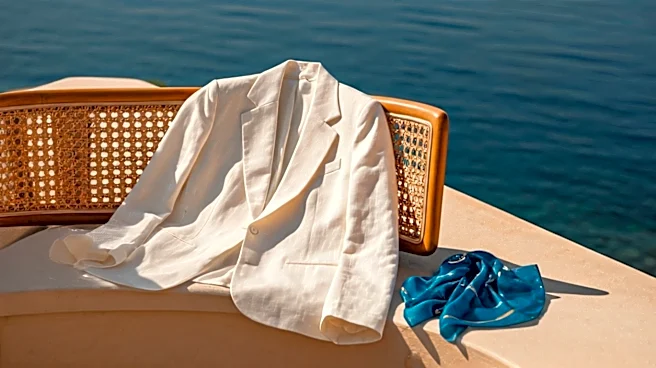
Monaco, with its unique blend of royal history, Formula 1 adrenaline, and yacht-filled harbor, is the perfect stage for this aesthetic. It’s not a red carpet; it’s a lifestyle. The vibe is less “look at me” and more “I belong here.” This is old-world European glamour, updated for the 21st century. While a flashy, logo-heavy outfit might scream 'tourist' or 'new money,' a muted palette of navy, white, and beige in exquisite fabrics suggests a deeper, more established connection to this world. The dress code is unspoken but understood: look effortlessly put-together, as if you just stepped off your own yacht, even if you didn't. The style projects ease and comfort, suggesting that this level of luxury is your everyday reality, not a special occasion. It's a subtle performance of status, where the props are a perfectly tailored linen suit and a vintage timepiece, not a diamond-encrusted phone case.
The Language of Fabric and Fit
So how do you signal a five-figure outfit without a single logo? It all comes down to details that only a discerning eye can appreciate. First, material is paramount. We're talking sea-island cotton, gossamer-thin cashmeres, crisp linens, and silks that ripple in the Mediterranean breeze. These fabrics have a look and feel that mass-market materials simply cannot replicate. Second is the fit. A stealth-wealth garment is never ill-fitting. Tailoring is key, whether it's a bespoke suit or a simple pair of trousers that hang just so. The silhouette is clean, classic, and timeless—nothing too trendy or aggressively shaped. Finally, there are the accessories. Instead of a flashy 'It' bag, you might see a classic, unbranded leather tote from a heritage brand like Delvaux or The Row. A simple, elegant watch from Patek Philippe or Vacheron Constantin on a leather strap speaks volumes more than a diamond-flooded Rolex. It’s about investing in pieces that are made to last a lifetime, not just a season.
A Tribe, Not a Trend
Ultimately, dressing this way is a form of social shorthand. It's a way of signaling that you are part of a specific tribe—one that values discretion, heritage, and taste over overt displays of purchasing power. The phrase "money talks, wealth whispers" is the guiding principle. Wearing an unbranded, astronomically expensive piece is a subtle flex that communicates confidence. It says you don't need the validation of a logo because your status is self-evident to those who matter. In a crowd of people trying to prove they can afford luxury, the truly powerful are those who look like they aren't trying at all. This approach creates an invisible barrier, a filter that separates those who merely buy luxury from those who truly live it. It’s less about fashion and more about sociology, proving that in the exclusive confines of Monaco, the most potent status symbol is the one you can’t see.