





The Power of Place
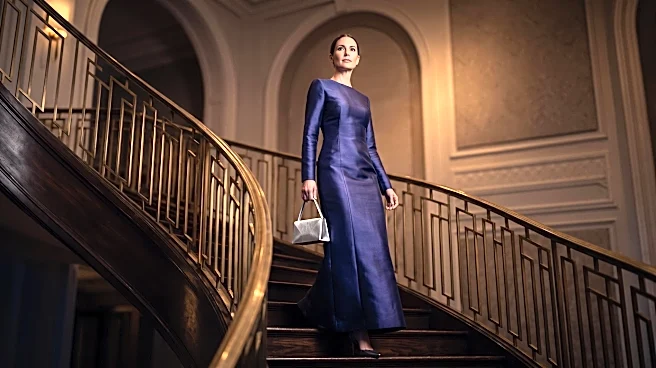
The venue is the first thing an audience experiences, and it sets the entire narrative. It's not just a backdrop; it’s an active participant in the show. A designer can use a space for harmony or for tension. For example, holding a show in a grand, historic
palace can instantly imbue a collection with a sense of timeless luxury and tradition. Conversely, staging a show in an industrial warehouse, a muddy field, or a flooded arena, as Balenciaga famously did for its Winter 2020 collection, creates a deliberate feeling of unease or dystopia that completely reframes the clothing. The environment becomes a character, telling you whether the clothes are meant for a fairytale princess or a survivor of a gritty new world. This choice is fundamental, sculpting the audience's experience and establishing the rhythm and mood before the first model even appears.
Casting the Narrative
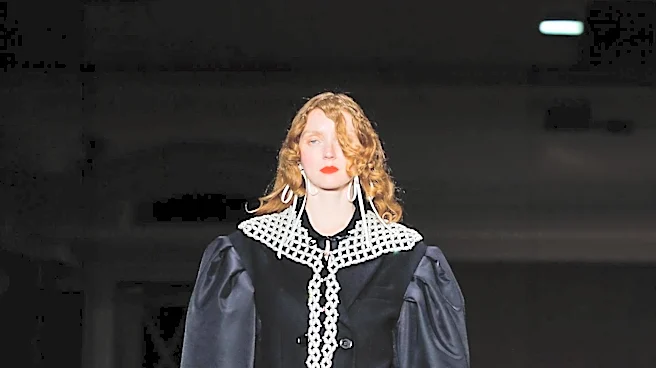
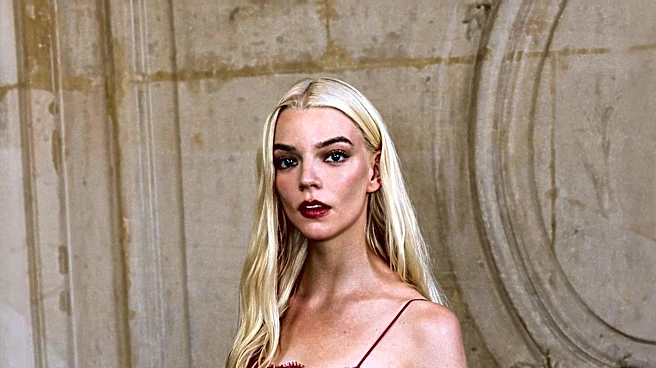
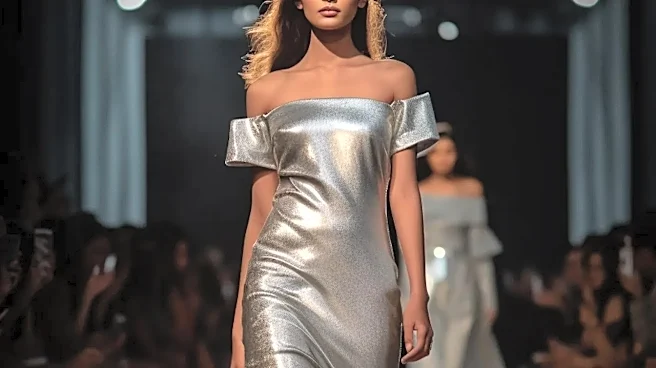
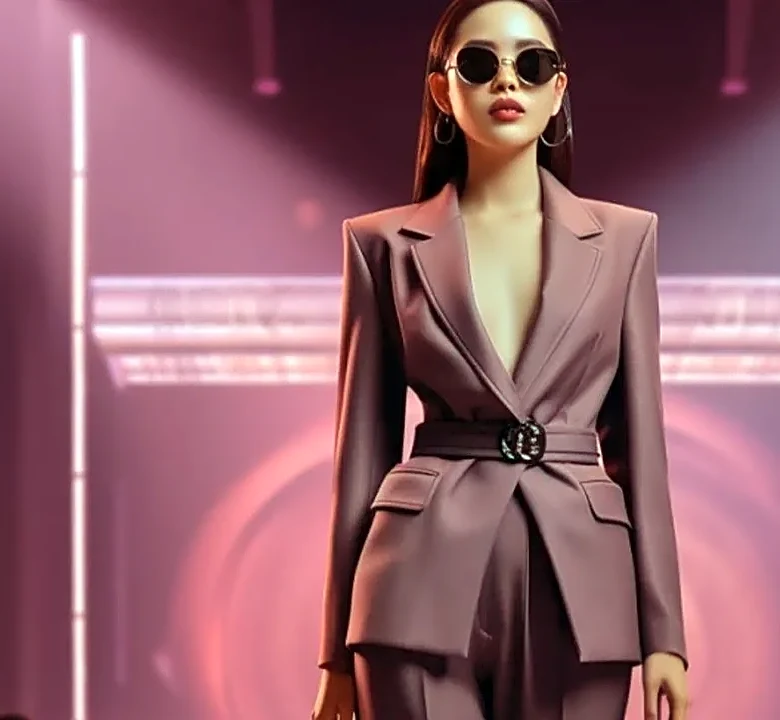
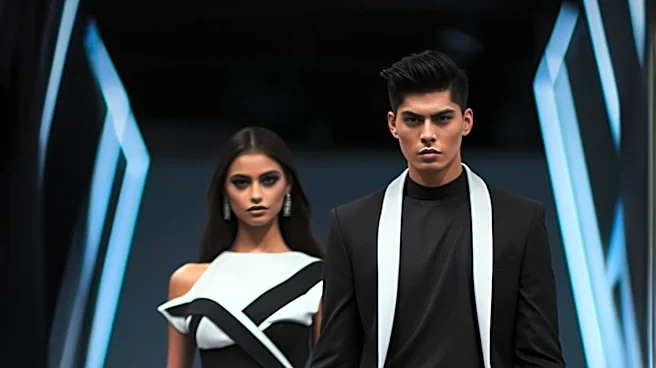
Long gone are the days when models were simply human hangers. Today, casting is a crucial storytelling tool. The people wearing the clothes give them context and answer the implicit question: 'Who is this for?'. The choice of models can reinforce a brand's legacy or radically challenge it. For years, a uniform ideal of tall, thin models dominated runways. Now, many brands are embracing more diverse casting to connect with a wider audience, featuring models of different ages, sizes, and backgrounds. This shift isn't just about social responsibility; it's a strategic choice to make the clothing feel more relatable and authentic. When a designer casts well-known actors or artists, it infuses the collection with their cultural cachet. When they cast models whose walk and attitude feel raw and full of personality, it gives the clothes a completely different energy than a classic, stoic strut. Each person on the runway helps build the world the designer is imagining.
The Unseen Influence of Sound
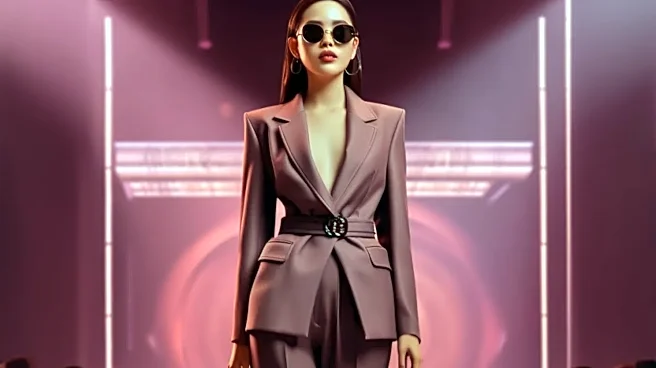
Sound is perhaps the most powerful, yet often overlooked, element in shaping the emotional landscape of a show. A soundtrack is not just background noise; it's the heartbeat of the collection. The right music can make a collection feel joyful, aggressive, melancholic, or triumphant. A thumping electronic beat can lend an air of futuristic confidence, while a sweeping orchestral score might suggest romance and drama. Some designers use live music to create a sense of immediacy and raw energy that a playlist can't replicate. The interplay between the music's tempo and the models' pace is a carefully choreographed dance. A jarring, dissonant soundtrack can create a deliberate sense of conflict with beautiful clothes, asking the audience to look closer and think harder. Even silence is a choice, creating a stark, almost uncomfortably intimate atmosphere. The soundscape is the final layer that guides the audience's emotional journey, ensuring the designer's message is not just seen, but felt.