






The Return of Our Favorite Troopers
The comedy troupe Broken Lizard is back on the big screen with Super Troopers 3, which hit theaters on August 7, 2026. The film brings back the whole mustachioed crew: Thorny, Rabbit, Mac, Foster, and of course, the ever-obnoxious Farva. This time, the plot
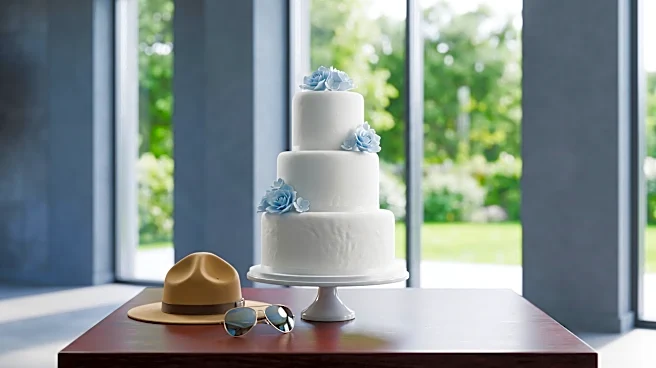
centers on the most terrifying scenario imaginable for this group of man-children: Farva is getting married. And not just to anyone, but to Thorny's sister. The setup is a perfect comedic pressure cooker, described by director and star Jay Chandrasekhar as "basically Meet the Parents, meet Super Troopers." It forces the characters into a high-stakes emotional situation that’s ripe for the kind of internal conflict that made the original 2001 film a cult classic.
The Art of the Pointless Prank War
One of the hallmarks of the Super Troopers universe is the prank that escalates just a little too far. From the original film’s syrup-chugging scene to the constant psychological warfare, their shenanigans mirror the way real friends push each other’s buttons. It’s born from a combination of boredom, affection, and a competitive need to get the last laugh. In any long-term friendship, there's a fine line between a funny bit and a genuine annoyance, and the Troopers live their lives directly on that line. Their pranks aren't just gags for the audience; they're the dysfunctional love language of a group that communicates best through absurdity. It’s the cinematic equivalent of hiding a friend's keys, changing their phone's language, or convincing them a ridiculous rumor is true—childish, perhaps, but deeply familiar.
The Unspoken Power Struggle
Every group has an unofficial leader, and in this squad, it’s arguably Thorny. He often tries to be the voice of reason, only to be undermined by the collective immaturity of the group. This creates a classic friend-group friction point: the power struggle. Who gets to make the final call on a road trip? Who decides which bar to go to? In Super Troopers 3, this dynamic is cranked up to eleven, with Thorny actively trying to sabotage Farva's wedding. This isn't just a plot device; it’s a reflection of how friends navigate disagreements without a formal hierarchy. It’s the passive-aggressive comments, the formation of temporary alliances, and the ultimate, often reluctant, decision to either go along with the plan or blow it up entirely.
Embracing the Lovable Outcast
Then there’s Farva. Every group seems to have a Farva—the one who’s just a little too loud, a little too annoying, but is nevertheless an indispensable part of the whole. He is the agent of chaos, the one you’d never want to be left alone with, yet the group’s identity would feel incomplete without him. The tension between tolerating Farva and wanting to lock him in the trunk is where much of the comedy and relatability comes from. In an interview, the Broken Lizard members noted that as a real-life group of friends, they can get away with pushing boundaries because the affection underneath is real. As Kevin Heffernan, who plays Farva, put it, "If you have a good-natured group of people, I think you can push it farther than you think." That perfectly explains why we put up with the Farvas in our own lives—because, deep down, they're our idiots.