







The New Digital Water Cooler
Not long ago, the pinnacle of TV engagement was chatting about last night’s episode by the office water cooler. Today, that conversation has evolved into a global, 24/7 brainstorming session happening on Reddit, TikTok, and YouTube. Shows like Severance,
Westworld, and Yellowjackets are meticulously designed to fuel this. They are not just stories; they are puzzle boxes, intentionally layered with ambiguity and subtle details that invite speculation. This shift from passive viewing to active participation is the foundation of the modern mystery-box show. By embracing a weekly release schedule, a model once considered dated, streamers give these conversations room to breathe and build. Unlike a full-season binge, the week-long gap between episodes creates a vacuum that fans eagerly fill with frame-by-frame analysis, elaborate theories, and passionate debate.
Your Theory Is Their Marketing
Every time a fan posts a video essay, joins a Reddit thread, or argues about a character's true motive, they are participating in a massive, organic marketing campaign. This is the primary "studio advantage." In an oversaturated media landscape, generating sustained buzz is incredibly difficult and expensive. Fan-driven speculation, however, is free. It keeps a show at the forefront of cultural conversation long after the credits roll, driving what analysts call "earned media." This constant engagement functions as a powerful retention tool. Research shows that weekly releases significantly reduce subscriber churn; fans who have to wait for the next installment are far less likely to cancel a service. In one study, viewers on a gradual release schedule were 48% more likely to remain on the platform. For a service like Disney+, releasing Marvel shows on a weekly basis ensured that dedicated fans remained subscribed for most of the year to avoid spoilers.
Crafting the Perfect Puzzle
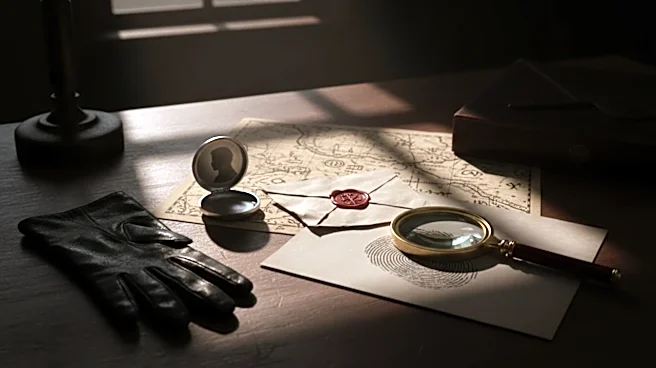
This phenomenon isn't just about scheduling; it's baked into the creative process. Writers and showrunners are increasingly aware of their audience's role as de facto co-writers and detectives. They intentionally plant seeds—a strange symbol, an unresolved backstory, a cryptic line of dialogue—designed to be found and debated. This creates a feedback loop where fans feel a sense of psychological ownership over the story. When viewers invest their own intellectual and emotional capital into solving a show's mysteries, their loyalty deepens. This participatory experience transforms watching television from a lean-back activity into a lean-in obsession, where re-watching episodes to hunt for clues becomes part of the intended experience. For new shows, this extended runway of conversation allows positive word-of-mouth to build, helping a series find its audience in a crowded market.
The Risks of a Rabid Fanbase
However, this strategy is a double-edged sword. When a show builds its reputation on a central mystery, the pressure for a satisfying payoff becomes immense. Sometimes, fan theories are so creative and compelling that the writers' actual resolution feels like a letdown. After years of speculation, the final seasons of shows like Lost and Game of Thrones faced backlash when the answers didn't align with the most popular or intricate fan expectations. There's also the risk of writers reacting to fan theories, either by trying to outsmart them or, in some cases, caving to their demands. Showrunners for HBO's Westworld, for example, became aware that fans on Reddit had correctly guessed a major first-season twist, creating a challenge for future seasons. The very engagement that makes a show a hit can also become a creative straitjacket, making it harder to deliver surprises.