





From Leftover to Luxury
First, let’s get one thing straight: deadstock isn’t a pile of scraps. The term refers to perfectly good, often luxurious, unused fabric from fashion houses and mills. Think of it as the beautiful Italian silk or Scottish wool that was produced in excess
for a previous collection, a color that was slightly off, or fabric from a canceled order. For decades, these pristine materials were a hidden casualty of the industry’s waste problem, destined for landfills or incinerators. But for a growing number of designers, this “waste” is a treasure trove. It represents an opportunity to access unique, high-quality textiles in limited quantities, turning a sustainability challenge into a creative and exclusive advantage. Using deadstock means no new resources are depleted to create the raw material, immediately shrinking a garment’s environmental footprint.
The Copenhagen Connection
So why is this trend flourishing in Denmark? A huge part of the answer is Copenhagen Fashion Week (CPHFW). Far from being just a series of glamorous shows, CPHFW has become a global leader in accountability by enforcing some of the strictest sustainability standards in the industry. Since 2023, brands on the official schedule must meet a demanding set of criteria, which includes a ban on destroying unsold clothes and a powerful mandate: at least 60% of their collections must be made from certified sustainable, recycled, or deadstock materials. This requirement has fundamentally shifted the creative process, forcing designers to think resourcefully and embedding the practice of using deadstock directly into the DNA of modern Danish fashion. It has transformed what could have been a niche practice into a mainstream movement, setting a blueprint that other fashion weeks are now beginning to follow.
Meet the Innovators
Several Danish brands are mastering the art of deadstock alchemy. Cecilie Bahnsen, known for her romantic, voluminous dresses, gives her exquisite couture-like fabrics a second life through her "Encore" collections, creating made-to-order pieces from archived textiles that are too precious to waste. The result is breathtakingly lovely silhouettes that feel even more special because of their rare origins. Then there’s Ganni, a brand that has built a global following with its cool-girl aesthetic. Ganni frequently collaborates with designers like Priya Ahluwalia to rework its own deadstock denim and unsold garments into vibrant, patchwork-style collections that are anything but boring. Other pioneers like Designers Remix have built their entire brand ethos around upcycling and remixing existing materials for over two decades, proving the longevity of the concept.
Beyond Basics, Toward Staples
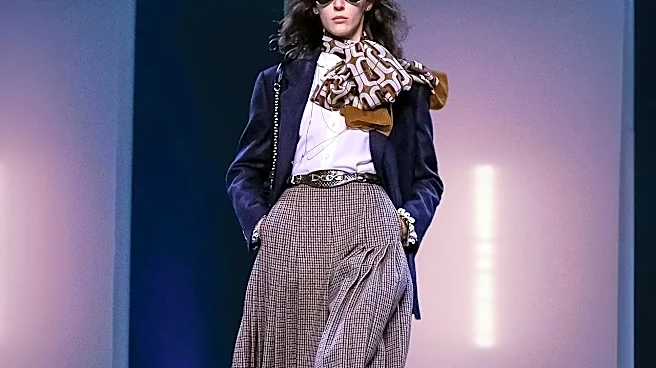
The most compelling part of this trend is the final product. These aren't DIY-style projects; they are the polished, versatile, and desirable pieces that form the backbone of a modern wardrobe. The use of deadstock gives designers the ability to produce a perfectly tailored blazer from a unique wool, a structured dress from a rare jacquard, or a slinky top from a limited bolt of silk. Because the fabric quantities are finite, the resulting garments are often limited-edition, offering a sense of exclusivity that fast fashion can’t replicate. This scarcity fosters a more conscious consumer mindset, encouraging shoppers to invest in pieces with a story. The clothes transcend the “sustainable fashion” category and simply become great fashion that happens to be sustainable. They are the staples you’ll reach for again and again, proving that thoughtful design can be both beautiful and responsible.