




The Deconstructed Ideal
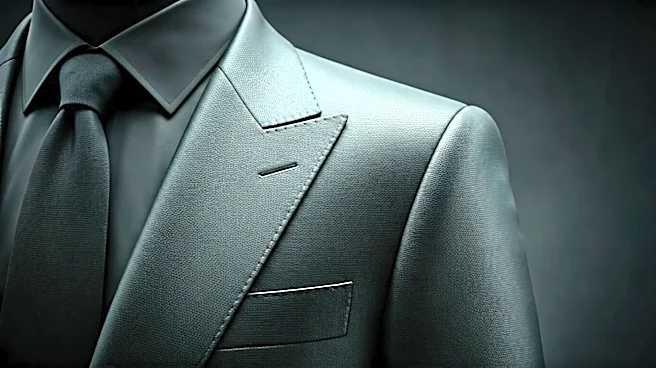
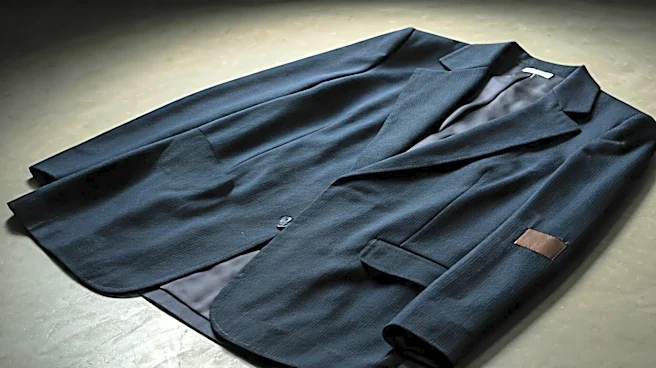
So what exactly is “soft tailoring”? At its core, it’s a suit jacket or sport coat built more like a shirt than a piece of architecture. Unlike the rigid, military-derived construction of a traditional English suit from Savile Row—with its padded shoulders,
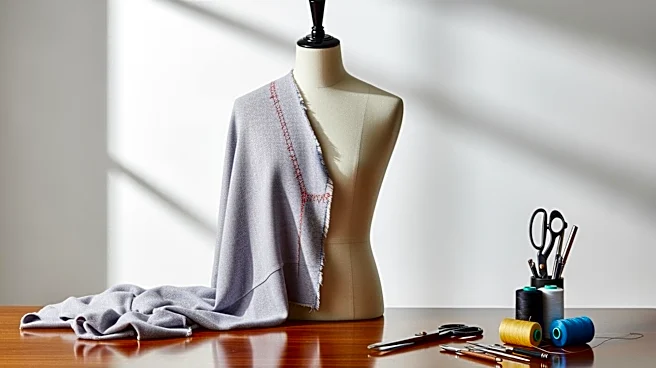
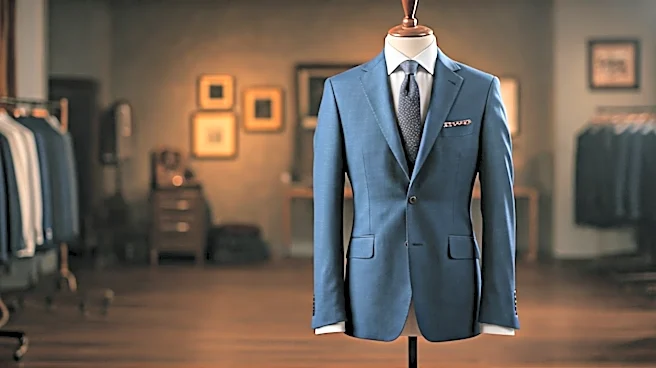
stiff canvas, and heavy structure—the Milanese approach strips everything back. The key is the shoulder, often described as *spalla camicia* or “shirt shoulder.” It’s unpadded and follows the natural line of the body, creating a soft, sloping silhouette. The internal structure, or canvassing, is either partial or nonexistent, allowing the jacket to drape with the fluidity of a cardigan. The fabrics chosen are lighter and more breathable: fine wools, cashmeres, linens, and silks that move with the wearer. The result is a garment that feels less like formalwear and more like a second skin. It’s tailoring designed for comfort, movement, and the languid confidence of an Italian summer afternoon, even when worn in a Manhattan skyscraper.
A Philosophy of Effortlessness
Milanese tailoring is the physical embodiment of a quintessentially Italian concept: *sprezzatura*. Coined in the 16th century, the term describes a kind of studied carelessness—the art of making difficult things look easy. In fashion, it’s about looking perfectly put-together without appearing to have tried at all. It’s the slightly unbuttoned cuff, the perfectly imperfect fold of a pocket square, or the way a lightweight jacket is thrown over a knit polo. Soft tailoring is the foundation of this look. Its inherent comfort and lack of rigidity allow for a natural, unforced elegance. A man in a soft-shouldered Zegna suit doesn't look like he’s wearing a uniform; he looks like he simply has exceptional taste. This philosophy stands in stark contrast to the more formal, rule-based traditions elsewhere. It’s not about power dressing in the 1980s sense; it’s about projecting a quiet, self-assured confidence that doesn't need to shout.
The Global Style Counterpoint
To understand Milan’s influence, it helps to see it in context. For a long time, London’s Savile Row set the standard with its structured, almost architectural suits that create a strong, V-shaped torso. It’s a powerful, formal look rooted in aristocratic and military tradition. Paris, on the other hand, often treats menswear as a canvas for high-concept artistry and trend-driven experimentation, pushing silhouettes to their conceptual limits. Milan carved out a third way. Spearheaded by visionaries like Giorgio Armani in the 1970s and ‘80s, who famously deconstructed the suit jacket for both men and women, Milan offered a vision that was both luxurious and wearable. It was modern without being faddish, and elegant without being stuffy. This middle ground proved to be incredibly influential, offering a template for dressing well that felt relevant to real life, not just the runway or the royal enclosure at Ascot. It gave men permission to be comfortable and stylish at the same time.
How It Dominates Today's Wardrobe
The reason Milan’s soft tailoring still sets the agenda is simple: the rest of the world finally caught up to its way of thinking. In a post-pandemic era defined by hybrid work, blurred dress codes, and a demand for comfort, the stiff, formal suit can feel like an anachronism. The Milanese ideal—a beautifully crafted blazer that feels like a sweater, worn with smart trousers or even luxury denim—is now the unofficial uniform for the modern professional. Brands like Brunello Cucinelli have built global empires on this very concept, selling a lifestyle of quiet luxury rooted in soft, comfortable tailoring. Zegna, a powerhouse in luxury textiles and menswear, continues to innovate with feather-light constructions and technical fabrics that push the idea of the deconstructed jacket even further. The aesthetic has trickled down everywhere, influencing how mainstream brands from J.Crew to Club Monaco design their blazers. The global menswear agenda is no longer about just the suit; it’s about sophisticated, versatile separates. And that’s a game Milan has been mastering for half a century.