


A Genre Built on 'And'
Officially, the Americana Music Association defines its genre as a blend of country, folk, blues, soul, bluegrass, gospel, and rock. It’s less a specific sound and more of a sensibility—a crossroads for styles rooted in American tradition. Think of it as a big
tent. It’s a space where songwriting and authenticity are prized over slick production and pop chart aspirations. This makes it a haven for artists who don’t fit neatly into the rigid boxes of modern country, pure folk, or straight rock and roll. The genre’s official definition even acknowledges that it “lives in a world apart from the pure forms of the genres upon which it may draw.” It’s a category built on “and,” not “or,” embracing a messy, beautiful combination of sounds that feel both timeless and contemporary.
The Annual Litmus Test
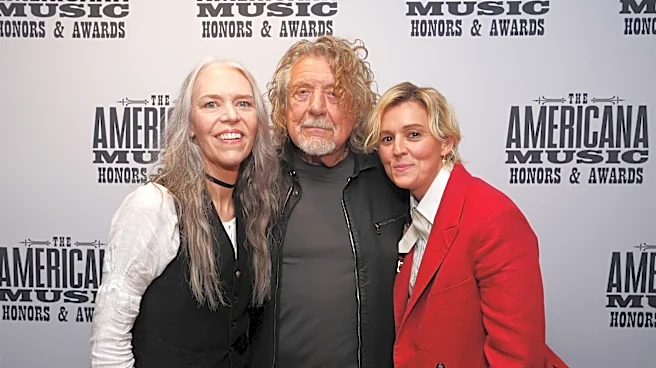
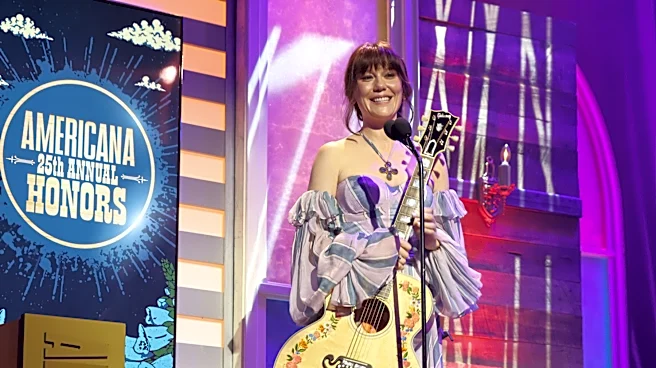
The Americana Honors & Awards, held at Nashville’s historic Ryman Auditorium, serves as the genre's annual meeting and its most public identity crisis. The list of nominees and winners inevitably forces a conversation about the genre’s ever-expanding borders. One look at the 2026 winners makes the case perfectly. You have Molly Tuttle, a virtuosic bluegrass-rooted guitarist, taking home Artist of the Year. Then there's Tyler Childers, a Kentucky-born artist famously cynical about the Americana label, winning Album of the Year for 'Snipe Hunter'. Add in Brandi Carlile, a powerhouse vocalist who blends folk, rock, and pop, winning Song of the Year, and you see the beautiful contradiction at play. Even the Lifetime Achievement honors—given this year to rock icon Robert Plant, the legendary Heartbreakers, and posthumously to the singular Dolly Parton—showcase the genre’s wildly diverse reference points.
Where the Misfits Find a Home
Perhaps Americana’s most crucial role in the modern music landscape is as a home for brilliant artists left behind by other formats. When mainstream country radio leans heavily on pop production, it pushes out storytellers who sound too traditional. When rock moves away from its roots, it orphans those who still draw from blues and folk. These artists—the so-called misfits—find a welcoming community in Americana. This year's Duo/Group of the Year winners, Gillian Welch and David Rawlings, admitted they were surprised by their nomination since they hadn't released a record, but their influence and touring presence were enough to earn the prize. Meanwhile, Tyler Childers, who won for Album of the Year, has openly questioned his place in the genre, yet he remains one of its most celebrated figures because his music is undeniably closer to Jason Isbell than to anything on Top 40 radio.
The Debate Is the Point
Ultimately, the endless debate isn't a sign of a genre in crisis; it’s a sign of a culture that is vibrantly alive. The arguments over who belongs are what keep Americana dynamic and prevent it from becoming a stale, academic exercise. It’s a living, breathing thing, defined not by a panel of experts but by the artists and fans who show up year after year for events like AmericanaFest. The fact that a British rock god like Robert Plant can share a stage with bluegrass prodigies, and that a reunion of The Heartbreakers with Chris Stapleton can feel perfectly at home, is the entire point. The genre’s refusal to be pinned down is what allows it to evolve, to absorb new sounds, and to remain one of the most exciting and unpredictable corners of the music world. The confusion isn’t a bug; it’s the main feature.